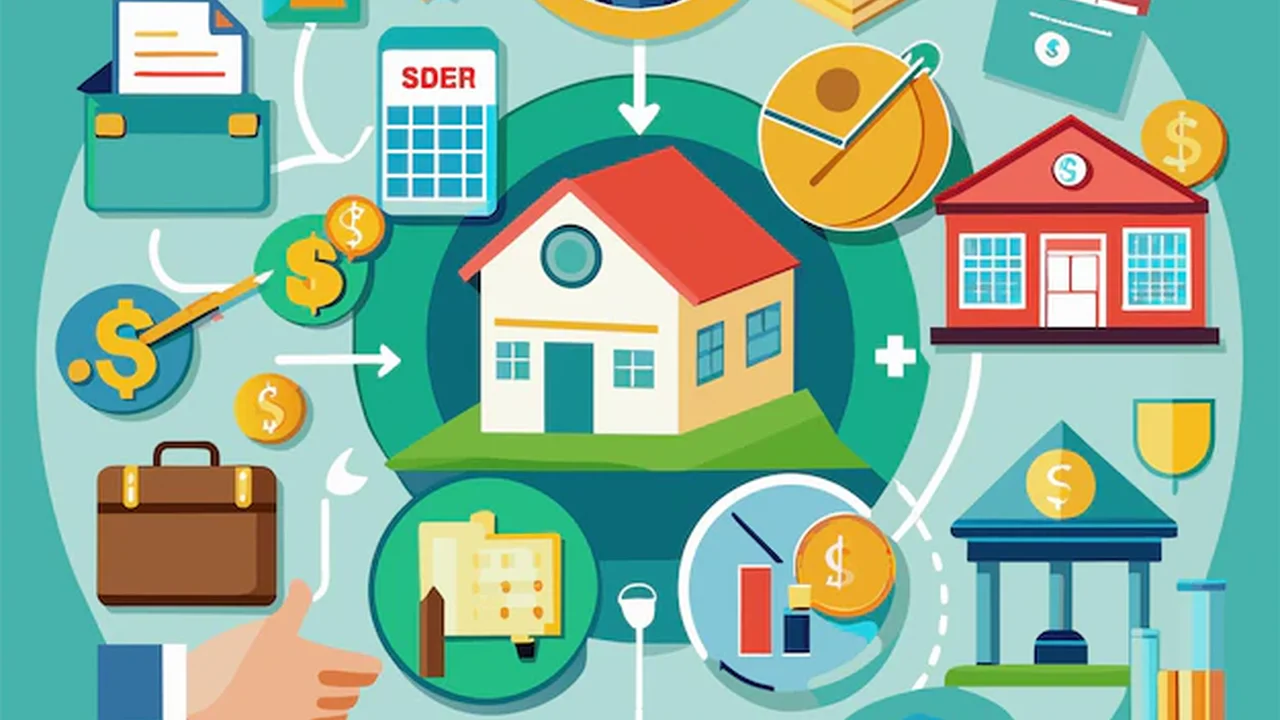
The Impact of Foreclosure on Your Credit Score
Understand the long-term effects of foreclosure on your credit score and strategies for recovery.
Understand the long-term effects of foreclosure on your credit score and strategies for recovery.
The Impact of Foreclosure on Your Credit Score and Recovery Strategies
Hey there! Facing foreclosure can feel like a financial earthquake, shaking your stability and leaving a huge crater in your credit score. It's a tough situation, no doubt about it. But understanding exactly how foreclosure impacts your credit and, more importantly, what steps you can take to recover, is crucial. This isn't just about numbers on a report; it's about getting back on your feet and rebuilding your financial future. Let's dive deep into what happens to your credit when a foreclosure hits and how you can bounce back stronger.
Understanding Foreclosure What It Means for Homeowners
First off, let's clarify what foreclosure actually is. Simply put, it's the legal process by which a lender takes possession of a property when the homeowner fails to make mortgage payments. It's usually a last resort for lenders, and it's a pretty serious event for homeowners. There are a few different types of foreclosure, but they all lead to the same outcome: losing your home. This process doesn't just mean losing your property; it also leaves a significant mark on your credit report, affecting your ability to borrow money for years to come.
Types of Foreclosure and Their Credit Implications
While the end result is similar, the specific type of foreclosure can sometimes have slightly different nuances in how it's reported or perceived. The most common types include:
- Judicial Foreclosure: This involves the lender filing a lawsuit in court to obtain a judgment of foreclosure. It's common in states where mortgages are treated as liens.
- Non-Judicial Foreclosure: This type occurs when the mortgage contains a 'power of sale' clause, allowing the lender to foreclose without court intervention. It's generally a faster process.
- Strict Foreclosure: Less common, this allows the lender to take ownership of the property without a sale, often when the debt owed is greater than the property's value.
- Deed in Lieu of Foreclosure: This is a voluntary agreement where you transfer the property deed to the lender to avoid the formal foreclosure process. While still negative, it can sometimes be viewed slightly less harshly than a full foreclosure by some lenders, and it might appear differently on your credit report.
- Short Sale: This happens when you sell your home for less than what you owe on the mortgage, and the lender agrees to accept the proceeds as full or partial payment. Like a deed in lieu, it's generally better than a full foreclosure, as it shows you actively tried to mitigate the loss.
Regardless of the type, the core impact on your credit score is severe. The key takeaway here is that any form of losing your home due to non-payment will be a major negative entry on your credit report.
Immediate and Long-Term Credit Score Damage from Foreclosure
Let's not sugarcoat it: a foreclosure is one of the most damaging events that can happen to your credit score. It's right up there with bankruptcy. The moment a foreclosure is reported, you can expect a significant drop in your credit score, often by hundreds of points. This isn't a small dip; it's a plunge.
How Foreclosure Appears on Your Credit Report
A foreclosure will typically remain on your credit report for seven years from the date of the first missed payment that led to the foreclosure. During this time, it will be a major red flag for potential lenders. Here's what you'll likely see:
- Late Payments: Before the actual foreclosure, you'll have a series of missed or late mortgage payments reported. Each of these negatively impacts your score.
- Foreclosure Entry: A specific entry indicating the foreclosure will be added to your public records section or the account history section of your credit report.
- Account Closed: The mortgage account will be marked as closed, often with a notation indicating it was closed due to foreclosure or charge-off.
The Ripple Effect on Your Financial Life
The impact extends far beyond just your credit score. A foreclosure can make it incredibly difficult to:
- Obtain New Loans: Getting approved for a new mortgage, car loan, or even a personal loan will be challenging, and if approved, you'll face much higher interest rates.
- Rent an Apartment: Many landlords check credit reports, and a foreclosure can make it harder to secure housing.
- Get Approved for Credit Cards: You might find it difficult to get approved for unsecured credit cards, or you'll be offered cards with very low limits and high interest rates.
- Secure Certain Jobs: Some employers, especially those in financial industries, conduct credit checks, and a foreclosure could be a barrier.
- Obtain Insurance: In some cases, insurance companies may use credit scores to determine premiums, leading to higher costs.
It's a tough pill to swallow, but understanding the full scope of the impact is the first step toward recovery.
Strategies for Credit Recovery After Foreclosure
Okay, so the bad news is out of the way. Now for the good news: recovery is absolutely possible! It won't happen overnight, but with consistent effort and smart strategies, you can rebuild your credit and get back on track. Think of it as a marathon, not a sprint.
1. Review Your Credit Report for Accuracy
This is your absolute first step. Errors on credit reports are more common than you might think, and a foreclosure is a complex event that can lead to mistakes. Get copies of your credit reports from all three major bureaus (Equifax, Experian, and TransUnion) at AnnualCreditReport.com. Check for:
- Incorrect Dates: Ensure the foreclosure date and any associated late payments are accurate.
- Duplicate Entries: Sometimes the same negative event can be reported multiple times.
- Accounts Not Yours: Verify all accounts listed belong to you.
- Incorrect Balances: Make sure any remaining balances are correct.
If you find any errors, dispute them immediately with the credit bureau and the creditor. This process can take time, but correcting inaccuracies can sometimes provide a small boost to your score or at least prevent further damage.
2. Establish New Positive Credit History
The best way to counteract negative information is to pile on positive information. This means opening new accounts and managing them responsibly. Here are some options:
Secured Credit Cards for Rebuilding Credit
Secured credit cards are often the easiest type of credit to get after a foreclosure because they require a cash deposit that acts as your credit limit. This deposit minimizes the risk for the lender. They report to credit bureaus just like regular credit cards, helping you build a positive payment history.
- Discover it Secured Credit Card: This is a popular choice because it offers cash back rewards (1% on all purchases, 2% at gas stations and restaurants on up to $1,000 in combined purchases each quarter) and automatically reviews your account after 7 months to see if you can transition to an unsecured card. It has no annual fee.
- Capital One Platinum Secured Credit Card: Another solid option, this card also has no annual fee and offers a path to an unsecured card. The required security deposit can be as low as $49 for a $200 credit line, making it accessible.
- OpenSky Secured Visa Credit Card: This card is unique because it doesn't require a credit check, making it ideal for those with very poor credit or no credit history. It has an annual fee (around $35) but is a reliable way to start rebuilding.
Usage Scenario: Use these cards for small, regular purchases you can pay off in full every month, like groceries or gas. The goal is to show consistent, on-time payments.
Credit Builder Loans for Diverse Credit Mix
Credit builder loans are specifically designed to help people establish or rebuild credit. Instead of receiving the money upfront, the loan amount is held in a savings account or CD while you make payments. Once the loan is paid off, you get access to the money. These loans report your payments to credit bureaus.
- Self Lender Credit Builder Account: This is a very popular and highly-rated option. You choose a loan amount (e.g., $500, $1,000, $2,000) and a term (12 or 24 months). You make monthly payments, and at the end, you get the money back. They report to all three major credit bureaus.
- Credit Strong Credit Builder Account: Similar to Self Lender, Credit Strong offers various loan amounts and terms. They also report to all three bureaus and aim to help you build both credit history and savings.
Usage Scenario: This is great for adding an installment loan to your credit mix, which can be beneficial. Make sure the monthly payments are affordable and fit into your budget.
Becoming an Authorized User on a Trusted Account
If you have a family member or trusted friend with excellent credit, they might be willing to add you as an authorized user on one of their credit cards. Their positive payment history could then appear on your credit report, giving your score a boost. However, be cautious: if they miss payments, it could also negatively affect you. Discuss expectations clearly.
3. Practice Excellent Financial Habits
This might sound obvious, but it's the bedrock of credit recovery. Consistency is key.
- Pay All Bills On Time: This is the single most important factor in your credit score. Set up automatic payments or reminders to ensure you never miss a due date again.
- Keep Credit Utilization Low: Aim to keep your credit card balances below 30% of your credit limit, ideally even lower (under 10%). High utilization signals higher risk to lenders.
- Maintain a Budget: Create and stick to a realistic budget to manage your income and expenses effectively. This prevents overspending and helps you make timely payments.
- Build an Emergency Fund: Having a financial cushion can prevent you from relying on credit cards or loans when unexpected expenses arise, thus avoiding future debt issues.
4. Consider a New Mortgage After the Waiting Period
Getting another mortgage after a foreclosure isn't impossible, but there's typically a waiting period. This period varies depending on the loan type and your specific circumstances.
- FHA Loans: Generally require a 3-year waiting period after a foreclosure, though exceptions can be made for extenuating circumstances (like job loss or illness) with a 1-year waiting period.
- VA Loans: Often have a 2-year waiting period after a foreclosure.
- Conventional Loans (Fannie Mae/Freddie Mac): Typically require a 7-year waiting period, though it can be reduced to 3 years if the foreclosure was due to extenuating circumstances and you have a strong credit profile since.
During this waiting period, focus intensely on rebuilding your credit score and saving for a substantial down payment. The higher your credit score and down payment, the better your chances of approval and securing a favorable interest rate.
Professional Help Credit Repair Services
While you can certainly tackle credit repair yourself, sometimes the complexity of a foreclosure and the sheer amount of work involved can be overwhelming. This is where professional credit repair services can come in handy. They specialize in disputing inaccuracies and guiding you through the rebuilding process.
What Credit Repair Companies Do
Legitimate credit repair companies primarily focus on:
- Disputing Inaccuracies: They will review your credit reports and challenge any questionable or inaccurate information with the credit bureaus and creditors on your behalf.
- Sending Goodwill Letters: They may send goodwill letters to creditors asking them to remove late payments, especially if you have a good payment history otherwise.
- Cease and Desist Letters: If you're being harassed by debt collectors, they can send letters to stop communication.
- Providing Guidance: They offer advice on how to build new positive credit and manage your finances.
Top Credit Repair Companies for Post-Foreclosure Recovery
When choosing a credit repair company, look for transparency, good reviews, and clear pricing. Avoid any company that promises to remove accurate negative information or asks for upfront payment for services not yet rendered (which is illegal under the Credit Repair Organizations Act).
- Lexington Law: One of the largest and most well-known credit repair firms. They offer different service tiers, with their higher tiers providing more aggressive dispute options. They have a strong track record of disputing negative items, including foreclosures, though success is never guaranteed. Their pricing typically ranges from $90 to $130 per month.
- Credit Saint: Highly rated for customer service and effectiveness. They offer three different packages, each with varying levels of service and dispute options. Their 'Credit Polish' and 'Credit Remodel' packages are often recommended for more severe credit issues like foreclosure. Monthly fees range from about $80 to $120.
- Sky Blue Credit Repair: Known for its straightforward pricing and 90-day money-back guarantee. They offer a single service package that includes disputes, cease and desist letters, and credit rebuilding advice. Their monthly fee is around $79.
- Ovation Credit Services: Offers personalized service and two package options. They focus on challenging negative items and providing financial education. They also have a good reputation for customer support. Monthly fees are typically $79 to $109.
Important Note: While these companies can help, they cannot remove accurate information from your credit report. Their value lies in identifying and disputing errors, and guiding you through the process. You'll still need to actively build new positive credit on your own.
Preventing Future Foreclosure and Financial Distress
The best way to recover from foreclosure is to prevent it from happening again. Here are some proactive steps:
- Maintain a Robust Emergency Fund: Aim for 3-6 months of living expenses saved. This is your first line of defense against unexpected financial setbacks.
- Live Within Your Means: Avoid taking on more debt than you can comfortably manage.
- Regularly Review Your Budget: Adjust your spending as needed to stay on track.
- Communicate with Lenders: If you anticipate financial difficulty, reach out to your mortgage lender immediately. They may offer options like loan modifications, forbearance, or repayment plans.
- Consider Mortgage Protection Insurance: This can cover your mortgage payments in case of job loss, disability, or death.
- Diversify Income Streams: Having multiple sources of income can provide greater financial stability.
Recovering from a foreclosure is a challenging journey, but it's a journey many have successfully completed. By understanding the impact, diligently working to rebuild your credit, and adopting sound financial habits, you can absolutely move past this and achieve a healthier financial future. It takes time, patience, and persistence, but you've got this!
:max_bytes(150000):strip_icc()/277019-baked-pork-chops-with-cream-of-mushroom-soup-DDMFS-beauty-4x3-BG-7505-5762b731cf30447d9cbbbbbf387beafa.jpg)