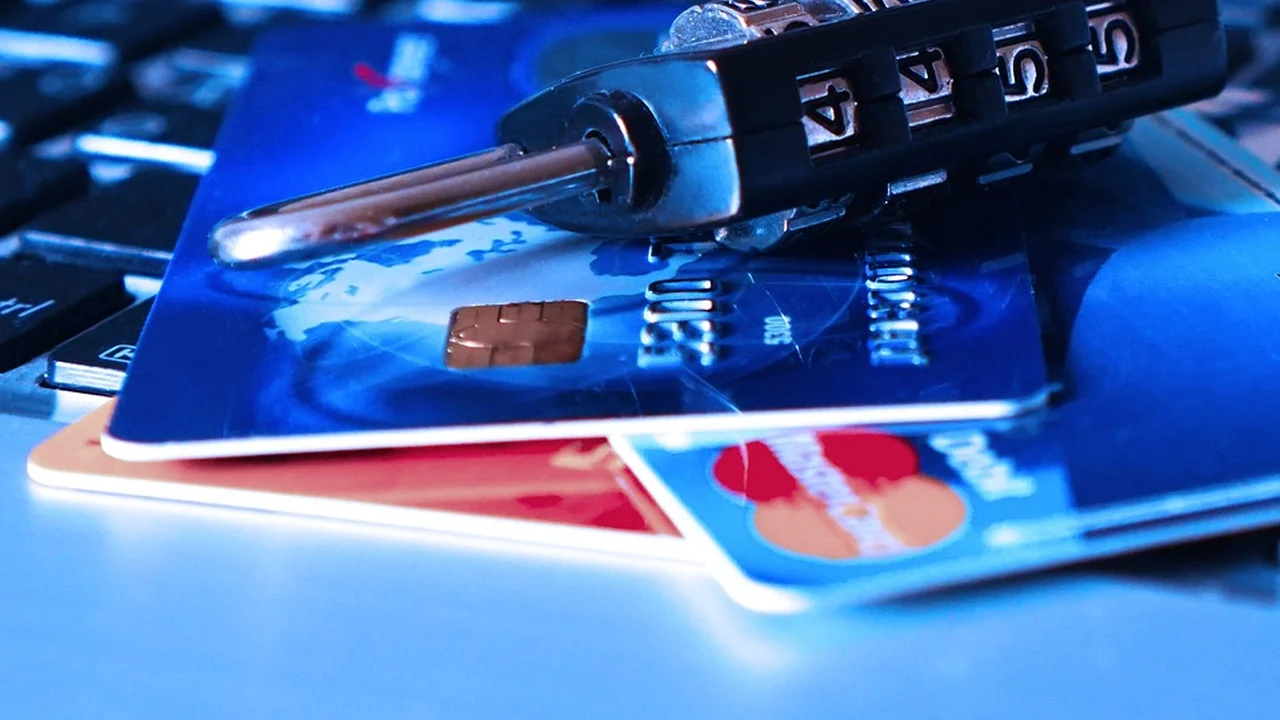
Credit Card Fraud Protection Your Guide
A comprehensive guide to protecting yourself from credit card fraud and what to do if you become a victim.
A comprehensive guide to protecting yourself from credit card fraud and what to do if you become a victim.
Credit Card Fraud Protection Your Guide
Credit card fraud is a pervasive and ever-evolving threat in our digital age. It's not just about losing money; it's about the stress, the time spent resolving issues, and the potential damage to your credit score. Understanding how to protect yourself and what steps to take if you become a victim is crucial for anyone using credit cards today. This guide will walk you through the various types of credit card fraud, effective prevention strategies, and a detailed action plan for recovery.
Understanding Credit Card Fraud Types and Tactics
Before we dive into protection, let's get familiar with the enemy. Credit card fraud isn't a single act; it's a spectrum of deceptive practices. Knowing these can help you spot potential threats.
Physical Card Fraud Common Scams
Even in an increasingly digital world, physical card fraud remains a significant concern. This category includes scenarios where your actual card is compromised.
- Skimming: This is when criminals use a device, often attached to legitimate card readers at ATMs, gas pumps, or POS terminals, to steal your card information as you swipe it. These devices can be incredibly subtle and hard to detect.
- Shimming: A newer, more sophisticated form of skimming, shimming involves a thin device inserted into an EMV (chip card) reader. It's designed to read the data from the chip during a transaction.
- Card Theft: The most straightforward method – your physical card is stolen from your wallet, purse, or mail.
- Counterfeit Cards: Stolen card data is used to create a fake physical card, which is then used for in-person purchases.
Online and Digital Fraud Protecting Your Data
The internet offers a vast playground for fraudsters. Digital fraud often involves stealing your card details without ever touching your physical card.
- Phishing and Smishing: These are social engineering tactics where fraudsters send fake emails (phishing) or text messages (smishing) pretending to be legitimate organizations (banks, retailers, government agencies). They aim to trick you into revealing your credit card number, PIN, or other sensitive information on a fake website or by replying to the message.
- Malware and Spyware: Malicious software installed on your computer or phone can record your keystrokes (keyloggers) or capture screenshots, stealing your credit card details as you type them into online forms.
- Data Breaches: Unfortunately, even the most secure companies can be targeted. When a retailer, bank, or online service you use experiences a data breach, your credit card information, along with other personal data, can be exposed to criminals.
- Account Takeover: Fraudsters gain unauthorized access to your existing credit card account, often by stealing your login credentials, and then make purchases or change your account details.
- Card-Not-Present (CNP) Fraud: This is a broad category for any transaction where the physical card isn't present, such as online purchases, phone orders, or mail orders. If your card details are stolen, they can be used for CNP fraud.
Identity Theft and Credit Card Fraud The Connection
Credit card fraud is often a component of broader identity theft. If criminals steal enough of your personal information (Social Security number, date of birth, address), they can open new credit card accounts in your name, leading to significant financial and credit damage.
Proactive Credit Card Fraud Prevention Strategies
The best defense is a good offense. By adopting these proactive measures, you can significantly reduce your risk of becoming a victim.
Securing Your Physical Cards Best Practices
Even with chip technology, protecting your physical card is still important.
- Guard Your PIN: Never write down your PIN or share it with anyone. When entering it at an ATM or POS terminal, always cover the keypad with your other hand to prevent 'shoulder surfing.'
- Inspect Card Readers: Before swiping or inserting your card at an ATM, gas pump, or POS terminal, quickly check for anything unusual. Look for loose parts, misaligned graphics, or anything that seems like an add-on. If something looks suspicious, use a different machine or pay inside.
- Keep Your Card in Sight: When dining out, try to keep your card visible. If a server takes your card out of sight, there's a small risk of it being skimmed or copied. Many restaurants now use portable card readers at the table.
- Shred Old Documents: Don't just toss old credit card statements, pre-approved credit offers, or receipts with your full card number. Shred them to prevent dumpster diving identity theft.
- Sign Your Cards: While less common now, signing the back of your card can deter some fraudsters and is often required by merchants.
Online Security Measures Protecting Your Digital Footprint
Your online habits play a huge role in your digital security.
- Use Strong, Unique Passwords: This is non-negotiable. Use a combination of uppercase and lowercase letters, numbers, and symbols. Never reuse passwords across different accounts. A password manager can help you manage these securely.
- Enable Two-Factor Authentication (2FA): Wherever possible, enable 2FA for your online banking, credit card accounts, and email. This adds an extra layer of security, usually requiring a code sent to your phone or generated by an app, even if someone has your password.
- Be Wary of Phishing and Smishing: Always scrutinize emails and text messages, especially those asking for personal information or urging immediate action. Check the sender's email address carefully for subtle misspellings. Don't click on suspicious links. If in doubt, go directly to the company's official website or call their customer service number.
- Shop on Secure Websites: Look for 'https://' in the website address and a padlock icon in your browser's address bar. This indicates a secure connection, meaning your data is encrypted. Avoid making purchases on public Wi-Fi networks unless you're using a Virtual Private Network (VPN).
- Keep Software Updated: Regularly update your operating system, web browser, and antivirus software. These updates often include critical security patches that protect against new vulnerabilities.
- Review Privacy Settings: Be mindful of what you share on social media and other online platforms. Less personal information available online means less for fraudsters to piece together for identity theft.
Monitoring Your Accounts Vigilance is Key
Even with the best prevention, fraud can still happen. Regular monitoring is your safety net.
- Set Up Transaction Alerts: Most credit card companies offer free alerts via email or text message for transactions above a certain amount, international purchases, or even every transaction. This allows you to spot unauthorized activity almost immediately.
- Regularly Review Statements: Don't just glance at your monthly statements. Carefully review every transaction for anything you don't recognize. If you spot something suspicious, report it immediately.
- Check Your Credit Report: You are entitled to a free credit report from each of the three major credit bureaus (Equifax, Experian, TransUnion) once every 12 months via AnnualCreditReport.com. Regularly check these reports for accounts you didn't open or inquiries you didn't authorize.
- Consider Credit Monitoring Services: For an added layer of protection, credit monitoring services can alert you to suspicious activity on your credit report, such as new accounts opened in your name or significant changes to your credit score.
Credit Monitoring Services A Comparative Look
Credit monitoring services can be a valuable tool in your fraud prevention arsenal. They typically track your credit reports and scores, alerting you to changes that could indicate fraudulent activity. While many credit card companies offer basic alerts for free, dedicated monitoring services often provide more comprehensive coverage, including identity theft protection and restoration services.
Key Features to Look For in Credit Monitoring
- Three-Bureau Monitoring: Ensures all three major credit bureaus (Equifax, Experian, TransUnion) are monitored for changes.
- Identity Theft Insurance: Provides financial coverage for expenses related to identity theft recovery.
- Identity Restoration Services: Offers assistance from specialists to help you recover your identity if it's stolen.
- Dark Web Monitoring: Scans the dark web for your personal information (SSN, credit card numbers, email addresses) that may have been compromised in data breaches.
- Credit Score Tracking: Provides regular updates on your credit scores and explanations for changes.
- Alerts: Timely notifications for new accounts, inquiries, address changes, and other suspicious activities.
Recommended Credit Monitoring Products and Services
Here are a few popular and highly-rated credit monitoring and identity theft protection services, along with their typical features and pricing. Please note that pricing can change, and it's always best to check their official websites for the most current information.
1. IdentityForce UltraSecure+Credit
- Overview: IdentityForce is consistently ranked among the top identity theft protection services, offering robust credit monitoring and comprehensive identity restoration.
- Key Features: Three-bureau credit monitoring, daily credit reports and scores, identity theft insurance (up to $1 million), identity restoration specialists, dark web monitoring, change of address monitoring, court records monitoring, and even social media monitoring.
- Use Case: Ideal for individuals or families who want extensive protection beyond basic credit monitoring, especially those concerned about broader identity theft.
- Typical Pricing: Around $23.99/month for UltraSecure+Credit (individual plan). Family plans are also available.
- Comparison: Offers more comprehensive identity theft protection than many basic credit monitoring services, with a strong focus on restoration.
2. Aura
- Overview: Aura combines identity theft protection, credit monitoring, and online security tools (like a VPN and antivirus) into one platform.
- Key Features: Three-bureau credit monitoring, monthly credit scores, $1 million identity theft insurance, 24/7 fraud resolution specialists, dark web monitoring, data broker removal, VPN, antivirus, and password manager.
- Use Case: Great for users looking for an all-in-one solution that covers not just credit but also broader digital security and privacy.
- Typical Pricing: Around $15/month for an individual plan (billed annually), with family plans available.
- Comparison: Strong contender for those who value integrated online security tools alongside credit and identity protection.
3. Experian IdentityWorks Premium
- Overview: Offered directly by one of the three major credit bureaus, Experian IdentityWorks provides strong credit monitoring with additional identity theft features.
- Key Features: Three-bureau credit monitoring, FICO Score tracking, daily Experian credit report and FICO Score, $1 million identity theft insurance, identity theft resolution specialists, dark web surveillance, and lost wallet assistance.
- Use Case: Excellent for individuals who want direct access to Experian's data and a solid suite of identity protection tools.
- Typical Pricing: Around $19.99/month for the Premium plan.
- Comparison: Benefits from direct integration with Experian's data, offering reliable and timely alerts.
4. Credit Karma
- Overview: While primarily known for free credit scores and reports, Credit Karma also offers free credit monitoring alerts.
- Key Features: Free credit scores (VantageScore 3.0 from TransUnion and Equifax), free credit reports, alerts for new accounts, inquiries, and other changes on your TransUnion and Equifax reports.
- Use Case: A fantastic free option for basic credit monitoring and keeping an eye on your credit health without a subscription fee.
- Typical Pricing: Free.
- Comparison: Lacks the comprehensive identity theft insurance and restoration services of paid options, but it's an excellent starting point for everyone.
Remember, no service can guarantee 100% protection against fraud, but these tools significantly increase your chances of detecting and resolving issues quickly.
What to Do If You Become a Victim of Credit Card Fraud
Even with the best precautions, fraud can happen. Knowing exactly what to do can minimize the damage and speed up your recovery.
Immediate Steps to Take Act Fast
Time is of the essence when you discover unauthorized activity.
- Contact Your Credit Card Issuer Immediately: This is your first and most crucial step. Call the number on the back of your card or on your statement. Report the fraudulent charges and request a new card. Most card issuers have zero-liability policies, meaning you won't be responsible for unauthorized charges if you report them promptly.
- Freeze Your Credit: If you suspect broader identity theft (e.g., new accounts opened in your name), consider freezing your credit with all three major credit bureaus (Equifax, Experian, TransUnion). A credit freeze prevents new creditors from accessing your credit report, making it much harder for fraudsters to open new accounts in your name. You'll need to unfreeze it temporarily when applying for new credit yourself.
- Change Account Passwords: If you suspect your online account credentials were compromised, immediately change passwords for your credit card accounts, online banking, email, and any other sensitive accounts. Use strong, unique passwords.
- Review Recent Transactions: Go through your online statements for all your credit cards and bank accounts to identify any other suspicious activity.
Reporting Fraud to Authorities Your Rights
While your credit card company handles the financial aspect, reporting to authorities is also important.
- File a Police Report: While not always required by your credit card company, filing a police report can be helpful, especially if you have specific details about the fraud or if you're dealing with broader identity theft. Get a copy of the report for your records.
- Report to the Federal Trade Commission (FTC): The FTC is the central agency for reporting identity theft and fraud in the U.S. Visit IdentityTheft.gov to report the incident. They will provide you with a personalized recovery plan and an official Identity Theft Report, which is crucial for disputing fraudulent accounts and charges.
Long-Term Recovery and Monitoring Rebuilding Trust
Fraud recovery isn't always a quick fix. Be prepared for ongoing monitoring.
- Monitor Your Credit Reports Regularly: Continue to check your credit reports from all three bureaus for several months to ensure no new fraudulent activity appears.
- Keep Detailed Records: Document all communications with your credit card company, banks, police, and the FTC. Keep copies of all reports, letters, and emails. This will be invaluable if you need to follow up or dispute further issues.
- Consider an Extended Fraud Alert: If you've been a victim of identity theft, you can place an extended fraud alert on your credit report for seven years. This requires businesses to take extra steps to verify your identity before extending credit.
- Be Patient and Persistent: Resolving credit card fraud and identity theft can take time and effort. Don't get discouraged. Stay persistent in following up and advocating for yourself.
Preventing Future Fraud Continuous Vigilance
Once you've dealt with fraud, it's natural to feel a bit shaken. But it's also an opportunity to reinforce your security habits.
Regular Security Audits Your Digital Health Check
Make it a habit to periodically review your security settings and practices.
- Review Account Statements: Continue your diligent review of all financial statements.
- Update Passwords: Even if not compromised, consider a periodic password refresh for your most critical accounts.
- Check Privacy Settings: Revisit the privacy settings on your social media and other online accounts.
- Clean Up Digital Footprint: Remove old accounts you no longer use.
Staying Informed The Evolving Threat Landscape
Fraudsters are always developing new tactics. Staying informed is key to staying ahead.
- Follow Security News: Keep an eye on reputable cybersecurity news sources for information on new scams and data breaches.
- Educate Yourself: Understand how new technologies (like contactless payments or mobile wallets) impact your security.
- Share Knowledge: Talk to friends and family about fraud prevention. The more people who are aware, the safer everyone becomes.
Protecting yourself from credit card fraud is an ongoing process, not a one-time task. By understanding the risks, implementing strong prevention strategies, and knowing how to react if fraud occurs, you can significantly safeguard your financial well-being and peace of mind. Stay vigilant, stay informed, and keep your financial information secure.
:max_bytes(150000):strip_icc()/277019-baked-pork-chops-with-cream-of-mushroom-soup-DDMFS-beauty-4x3-BG-7505-5762b731cf30447d9cbbbbbf387beafa.jpg)