Understanding Different Types of Loans
Demystify various loan types including personal, auto, and home loans to make informed borrowing decisions.
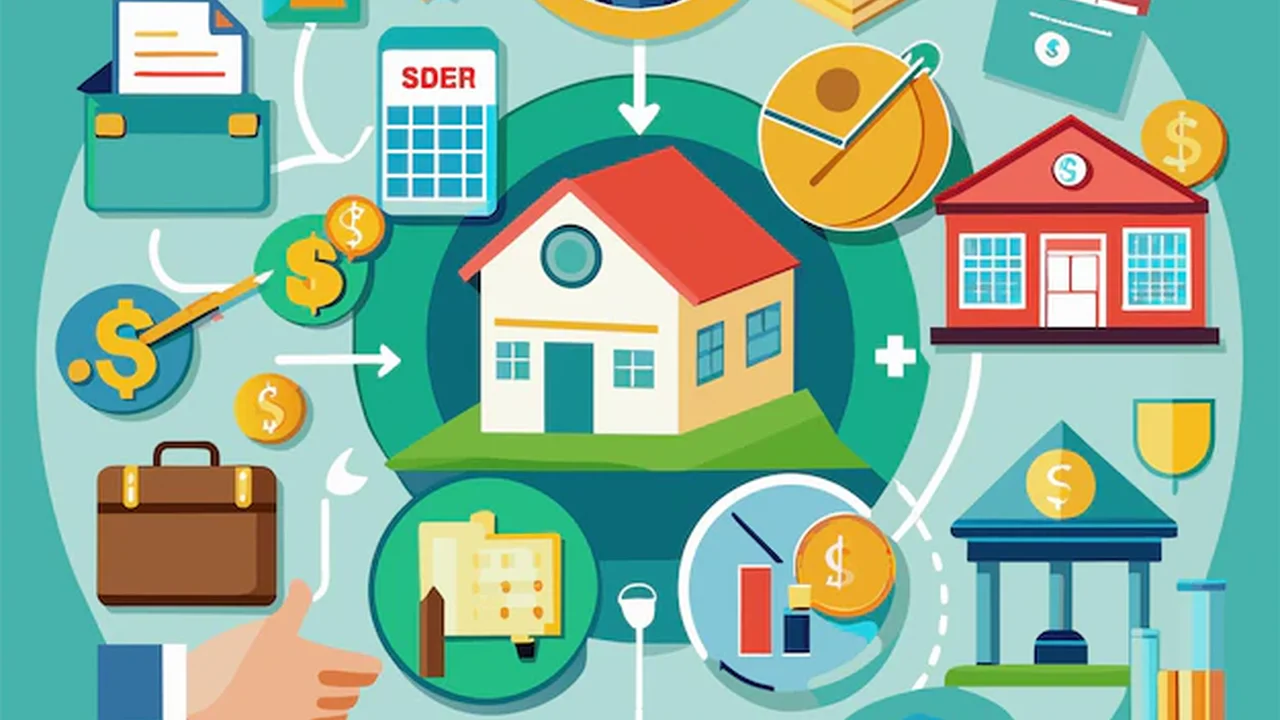
Demystify various loan types including personal, auto, and home loans to make informed borrowing decisions.
Understanding Different Types of Loans Your Comprehensive Guide
Hey there! Ever felt a bit lost when someone starts talking about different types of loans? You're definitely not alone. The world of borrowing money can seem like a maze with all its jargon and options. But don't sweat it! This guide is here to break down the most common types of loans you'll encounter – personal loans, auto loans, and home loans – so you can make smart, informed decisions when it comes to borrowing. We'll dive deep into what each one is, how they work, who they're best for, and even compare some popular products to give you a clearer picture. Let's get started!
Personal Loans Unsecured vs Secured Options
First up, let's talk about personal loans. These are super versatile and can be used for almost anything – consolidating debt, covering unexpected expenses, funding a big purchase, or even paying for a wedding. They typically come in two main flavors: unsecured and secured.
Unsecured Personal Loans What You Need to Know
An unsecured personal loan is probably what most people think of when they hear 'personal loan.' The 'unsecured' part means you don't have to put up any collateral, like your car or house, to get the loan. Lenders approve these based primarily on your creditworthiness – your credit score, income, and debt-to-income ratio. Because there's no collateral, these loans usually come with higher interest rates than secured loans, especially if your credit isn't stellar. The repayment terms can vary, often ranging from 1 to 7 years.
Who are unsecured personal loans best for?
- People with good to excellent credit scores who want competitive interest rates.
- Those who need funds for a variety of purposes and don't want to risk their assets.
- Individuals looking to consolidate high-interest debt like credit card balances.
Popular Unsecured Personal Loan Providers and Their Offerings
Let's look at a few popular options in the US and Southeast Asia:
- SoFi (US Market): SoFi is well-known for its competitive rates and flexible terms, especially for borrowers with strong credit. They offer loans from $5,000 to $100,000 with terms from 2 to 7 years. Interest rates can range from around 8.99% to 29.99% APR, depending on your credit score and other factors. They also have a strong focus on customer service and often offer unemployment protection. SoFi is great for debt consolidation or large purchases if you have good credit.
- LightStream (US Market): LightStream, a division of Truist, is another top contender for borrowers with excellent credit. They boast some of the lowest rates in the industry, often starting below 7% APR for well-qualified applicants. Loan amounts range from $5,000 to $100,000 with terms up to 7 years. What's unique about LightStream is their rate beat program – they'll beat a competitor's rate if you meet their criteria. They're ideal for almost any purpose, from home improvements to medical expenses, provided your credit is top-notch.
- LendingClub (US Market): LendingClub operates as a peer-to-peer lending platform, connecting borrowers with investors. This can sometimes make them more accessible for those with fair to good credit (typically 600+). Loan amounts usually range from $1,000 to $40,000 with terms of 3 or 5 years. Interest rates can be higher, often from 10% to 35% APR, but they can be a good option if traditional banks are turning you down. They're often used for debt consolidation or smaller personal expenses.
- GrabFinance (Southeast Asia - e.g., Singapore, Malaysia, Philippines): While primarily known for ride-hailing and food delivery, Grab has expanded into financial services. GrabFinance offers personal loans, often called 'Cash Loan' or similar, to eligible users, especially those with a good transaction history on their platform. Loan amounts and terms vary significantly by country and user profile, but they are generally smaller loans (e.g., a few hundred to a few thousand USD equivalent) with shorter repayment periods (e.g., 3-12 months). Interest rates can be competitive for their target audience, but it's crucial to check the specific terms in your region. They're convenient for quick, smaller financial needs.
- UOB Personal Loan (Southeast Asia - e.g., Singapore, Malaysia): Major banks like UOB offer traditional personal loans across Southeast Asia. These typically require a stable income and a good credit history. Loan amounts can be substantial, often up to 4-6 times your monthly salary, with repayment terms up to 5 years. Interest rates are generally competitive, often starting from around 6-8% p.a. for well-qualified borrowers, but can go higher. They are a reliable option for larger expenses or debt consolidation if you meet the bank's criteria.
Secured Personal Loans Using Collateral to Your Advantage
A secured personal loan, on the other hand, requires you to put up an asset as collateral. This could be a savings account, a certificate of deposit (CD), or even your car (though that's more common with auto title loans, which are a bit different and often riskier). Because the lender has something to fall back on if you can't repay, these loans typically come with lower interest rates and can be easier to qualify for, especially if you have a less-than-perfect credit score. The downside, of course, is that you risk losing your collateral if you default.
Who are secured personal loans best for?
- Individuals with poor or no credit history looking to build credit.
- Those who need a lower interest rate and are comfortable using an asset as collateral.
- People who might not qualify for an unsecured loan due to their credit profile.
Popular Secured Personal Loan Providers and Their Offerings
- PNC Bank (US Market): PNC offers 'Savings Secured Loans' where you use your PNC savings account or CD as collateral. This is a fantastic way to build credit while keeping your savings intact. Loan amounts can range from $2,000 up to the amount in your savings/CD, with terms up to 5 years. Interest rates are typically very low, often in the single digits (e.g., 3-6% APR), making them very attractive. This is perfect for someone looking to establish or rebuild credit responsibly.
- Navy Federal Credit Union (US Market - for members): If you're a member of Navy Federal, their 'Pledge Loan' is an excellent secured option. You can use funds in your savings account or CD as collateral. They offer very competitive rates, often starting around 2-3% APR, and flexible terms. Loan amounts can go up to $50,000. It's a great choice for building credit with minimal risk if you have funds to pledge.
- Local Credit Unions (US & Southeast Asia): Many local credit unions offer secured personal loans, often using a savings account or CD as collateral. These can be very community-focused and offer personalized service. Rates are generally low, similar to the examples above, and terms are flexible. It's always worth checking with your local credit union if you're a member or eligible to join.
- Pawnbrokers (Southeast Asia - e.g., Singapore, Malaysia, Philippines): While not a traditional bank loan, pawnbrokers offer secured loans using valuable items (jewelry, electronics, luxury goods) as collateral. These are typically short-term loans with high interest rates (often regulated by local laws, but still higher than bank loans). For example, in Singapore, interest rates are capped, but can still be around 1-1.5% per month. Loan amounts depend on the value of the item. They are a last resort for quick cash, but be aware of the high cost and risk of losing your item.
Auto Loans Financing Your Ride
Next up, auto loans! These are specifically designed to help you purchase a vehicle, whether it's a brand-new car, a used car, or even a motorcycle. The vehicle itself serves as collateral for the loan, meaning if you stop making payments, the lender can repossess the car. Auto loans typically have fixed interest rates and repayment terms, often ranging from 3 to 7 years.
New Car Loans vs Used Car Loans Key Differences
While both are auto loans, there are some key differences. New car loans generally have lower interest rates because new cars hold their value better initially and are less risky for lenders. Used car loans often come with slightly higher rates due to the increased risk associated with older vehicles and their depreciation. The loan amount will, of course, depend on the price of the car you're buying.
Who are auto loans best for?
- Anyone looking to purchase a new or used vehicle without paying cash upfront.
- Individuals who want predictable monthly payments.
- Those who can afford the monthly payments and insurance for the vehicle.
Popular Auto Loan Providers and Their Offerings
- Capital One Auto Finance (US Market): Capital One is a major player in the auto loan market, offering both direct loans and financing through dealerships. They cater to a wide range of credit scores, from excellent to fair. Interest rates can vary widely, from around 4% APR for excellent credit to 20%+ for lower scores. Loan amounts typically range from $4,000 to $50,000+, with terms up to 72 or 84 months. They're a good option for pre-qualification, which helps you know what you can afford before hitting the dealership.
- Chase Auto (US Market): Chase offers competitive auto loan rates for new and used vehicles, often starting around 3-5% APR for well-qualified borrowers. They require a minimum loan amount (e.g., $7,500) and offer terms up to 72 months. Chase is a strong choice if you already bank with them or have good credit. They also offer a car-buying service to help you find vehicles.
- Bank of America Auto Loans (US Market): Similar to Chase, Bank of America provides competitive rates and flexible terms for new and used car purchases. Rates can start from around 3.5% APR for excellent credit, with terms up to 75 months. They often offer rate discounts for existing Bank of America customers. They're a solid, traditional banking option for auto financing.
- Maybank Auto Loan (Southeast Asia - e.g., Malaysia, Singapore): Maybank is one of the largest banks in Southeast Asia and offers comprehensive auto financing. They provide loans for new and used cars, often with competitive interest rates (e.g., 2.5% - 4.5% p.a. in Malaysia, depending on car type and loan tenure). Loan tenures can extend up to 9 years. They are a go-to for many in the region due to their extensive branch network and established reputation.
- DBS Car Loan (Southeast Asia - e.g., Singapore): DBS, a leading bank in Singapore, offers attractive car loan packages. Their rates are often very competitive, sometimes starting below 2.5% p.a. for new cars, with terms up to 7 years. They also offer financing for electric vehicles with special rates. DBS is a strong contender for car buyers in Singapore looking for good rates and digital convenience.
Home Loans Making Homeownership a Reality
Finally, let's talk about home loans, also known as mortgages. These are typically the largest loans most people will ever take out, and they're used to purchase a house, condominium, or other real estate. The property itself serves as collateral. Home loans come with various structures, interest rates, and repayment terms, often spanning 15, 20, or 30 years.
Fixed Rate Mortgages vs Adjustable Rate Mortgages Understanding the Difference
The two main types of home loans are fixed-rate mortgages (FRMs) and adjustable-rate mortgages (ARMs).
- Fixed-Rate Mortgages: With an FRM, your interest rate stays the same for the entire life of the loan. This means your monthly principal and interest payments will always be the same, providing stability and predictability. They're great if you plan to stay in your home for a long time and want to lock in a rate.
- Adjustable-Rate Mortgages: ARMs start with a lower interest rate for an initial period (e.g., 3, 5, 7, or 10 years). After this introductory period, the interest rate adjusts periodically based on a market index. This means your monthly payments can go up or down. ARMs can be attractive if you plan to sell your home before the adjustment period or if you expect interest rates to fall. However, they come with the risk of higher payments if rates rise.
Other Common Home Loan Types
- Conventional Loans: These are not insured or guaranteed by the government. They typically require a good credit score and a down payment (often 3% to 20% or more).
- FHA Loans (US Market): Backed by the Federal Housing Administration, these loans are designed for borrowers with lower credit scores or smaller down payments (as low as 3.5%). They come with mortgage insurance premiums.
- VA Loans (US Market): Guaranteed by the Department of Veterans Affairs, these loans are for eligible service members, veterans, and surviving spouses. They often require no down payment and no private mortgage insurance.
- Jumbo Loans: These are for loan amounts that exceed the conventional loan limits set by government-sponsored enterprises (like Fannie Mae and Freddie Mac). They typically require excellent credit and a substantial down payment.
Who are home loans best for?
- Individuals and families looking to purchase a primary residence, vacation home, or investment property.
- Those with stable income and a good credit history (though options exist for lower credit).
- Anyone ready to commit to a long-term financial obligation.
Popular Home Loan Providers and Their Offerings
- Rocket Mortgage by Quicken Loans (US Market): Rocket Mortgage is a huge online lender known for its streamlined digital application process. They offer a wide range of loan types (conventional, FHA, VA, jumbo) with competitive rates. Their rates for a 30-year fixed conventional loan might hover around 6.5% - 7.5% APR, depending on market conditions and borrower qualifications. They are great for tech-savvy borrowers who want a quick and efficient experience.
- Wells Fargo Home Mortgage (US Market): As a large traditional bank, Wells Fargo offers a full suite of mortgage products and has a strong presence. They provide conventional, FHA, VA, and jumbo loans. Their rates are generally competitive with other major banks. They are a good choice for those who prefer in-person service or already bank with Wells Fargo.
- Bank of America Mortgage (US Market): Bank of America also offers a comprehensive range of mortgage products. They often have special programs for first-time homebuyers and offer rate discounts for existing customers. Their rates are competitive, and they provide a blend of online tools and personal assistance.
- DBS Home Loan (Southeast Asia - e.g., Singapore): DBS is a dominant player in the Singapore mortgage market. They offer various home loan packages, including fixed-rate and floating-rate options. For example, a fixed-rate package might be around 3.5% - 4.0% p.a. for 2-3 years, while floating rates are tied to SIBOR or their internal board rates. They are known for their digital services and competitive rates for both HDB (public housing) and private property.
- OCBC Home Loan (Southeast Asia - e.g., Singapore, Malaysia): OCBC is another major bank in the region offering a wide array of home loan products. They provide competitive interest rates and flexible repayment options. Similar to DBS, their rates for fixed-rate packages might be in the 3.5% - 4.0% p.a. range, with floating rates tied to market benchmarks. They often have promotions and cater to different property types.
- Maybank Home Loan (Southeast Asia - e.g., Malaysia, Singapore): Maybank offers extensive home financing options across Southeast Asia. In Malaysia, for instance, they provide conventional home loans, Islamic home financing (e.g., 'HouzKEY' for rent-to-own), and various packages for different property types. Interest rates vary but are generally competitive within the market. They are a popular choice due to their wide reach and diverse product offerings.
Comparing Loan Types Which One is Right for You
So, how do you decide which loan type is best for your situation? It really boils down to your needs, your financial health, and what you're using the money for.
Purpose of the Loan Matching Your Needs
- Personal Loans: Best for general expenses, debt consolidation, medical bills, home improvements (smaller scale), or unexpected costs. They offer flexibility but can have higher rates if your credit isn't great.
- Auto Loans: Specifically for buying a vehicle. They're secured by the car, leading to generally lower rates than unsecured personal loans.
- Home Loans: For purchasing real estate. These are long-term, large-sum loans with the property as collateral, typically offering the lowest interest rates due to the high value of the asset.
Interest Rates and Repayment Terms What to Expect
- Personal Loans: Rates can range from low single digits (for excellent credit, secured) to high double digits (for fair credit, unsecured). Terms are usually 1-7 years.
- Auto Loans: Rates typically fall between personal and home loans, often 3-10% APR for good credit, but can go higher for lower scores. Terms are usually 3-7 years.
- Home Loans: Generally the lowest interest rates, often in the 3-8% APR range, depending on market conditions and loan type. Terms are much longer, typically 15-30 years.
Credit Score Impact and Eligibility Requirements
- Personal Loans: Unsecured loans require good to excellent credit (670+ FICO) for the best rates. Secured loans can be an option for lower scores (580+).
- Auto Loans: Lenders look for a decent credit score (600+ FICO) for approval, with the best rates going to those with 700+.
- Home Loans: Generally require the highest credit scores (620+ for FHA, 670+ for conventional) due to the large loan amounts, though VA loans can be more flexible.
Tips for Smart Borrowing Making Informed Decisions
No matter which type of loan you're considering, here are some universal tips to help you borrow wisely:
Check Your Credit Score and Report Regularly
Before applying for any loan, get a free copy of your credit report from AnnualCreditReport.com (US) or check local credit bureaus (e.g., Credit Bureau Singapore, CTOS in Malaysia). Dispute any errors you find. Knowing your score helps you understand what rates you might qualify for and if you need to improve your credit first.
Shop Around and Compare Offers
Don't just take the first offer you get! Compare rates, fees, and terms from multiple lenders. For personal and auto loans, you can often get pre-qualified without a hard credit inquiry, which lets you compare offers without impacting your score. For home loans, apply to a few different lenders to see who offers the best deal.
Understand All Fees and Charges
Beyond the interest rate, loans can come with various fees: origination fees, application fees, late payment fees, prepayment penalties, etc. Make sure you understand the total cost of the loan, not just the advertised interest rate. The Annual Percentage Rate (APR) is a good metric as it includes most fees.
Read the Fine Print Carefully
Always, always read the loan agreement thoroughly before signing. Understand the repayment schedule, what happens if you miss a payment, and any clauses that might affect you down the line. If something isn't clear, ask questions!
Borrow Only What You Need and Can Afford
It might sound obvious, but it's easy to get carried away. Only borrow the amount you genuinely need and ensure your monthly payments fit comfortably within your budget. Over-borrowing can lead to financial strain and potential default.
The Bottom Line Your Financial Journey
Navigating the world of loans doesn't have to be intimidating. By understanding the different types – personal, auto, and home loans – and knowing what to look for, you're already well on your way to making smarter financial choices. Remember to assess your needs, check your credit, compare offers, and always read the fine print. With this knowledge, you're empowered to choose the right loan that helps you achieve your financial goals without unnecessary stress. Happy borrowing!
:max_bytes(150000):strip_icc()/277019-baked-pork-chops-with-cream-of-mushroom-soup-DDMFS-beauty-4x3-BG-7505-5762b731cf30447d9cbbbbbf387beafa.jpg)