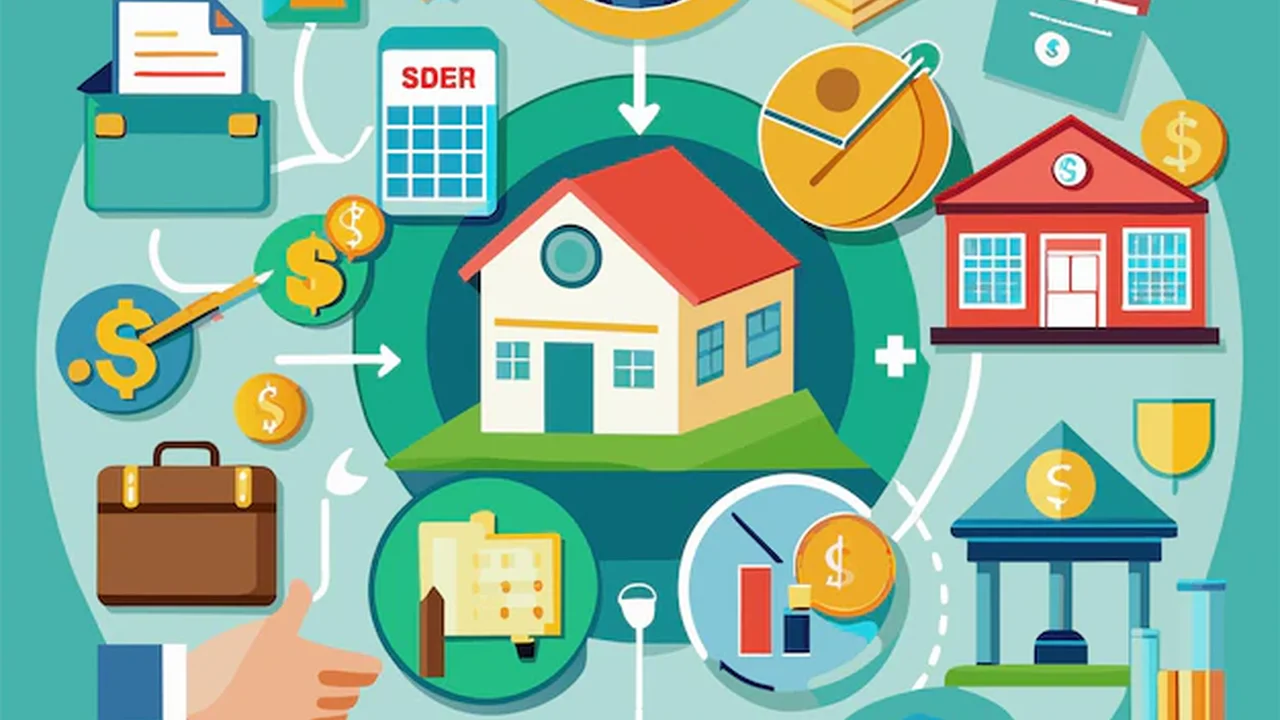
Rebuilding Credit After Bankruptcy 5 Steps
Discover 5 essential steps to effectively rebuild your credit score and financial stability after bankruptcy.

Discover 5 essential steps to effectively rebuild your credit score and financial stability after bankruptcy.
Rebuilding Credit After Bankruptcy 5 Steps
Navigating life after bankruptcy can feel like walking through a financial minefield. The good news? It's not a permanent financial death sentence. Millions of people have successfully rebuilt their credit and financial lives after bankruptcy, and you can too. This comprehensive guide will walk you through five essential steps to not only recover but thrive financially post-bankruptcy. We'll dive deep into practical strategies, recommended products, and crucial considerations to help you regain control and build a stronger financial future.
Understanding Bankruptcy's Impact on Your Credit Score and Financial Standing
Before we jump into rebuilding, it's vital to understand what bankruptcy does to your credit. A bankruptcy filing, whether Chapter 7 or Chapter 13, will remain on your credit report for 7 to 10 years. This significantly impacts your credit score, often dropping it by hundreds of points. Lenders will see this and may be hesitant to extend new credit. However, bankruptcy also wipes out most of your unsecured debt, giving you a fresh start. This clean slate, while initially damaging to your score, is the foundation upon which you'll build a healthier financial future. It's a paradox: the very act that hurts your credit also frees you to improve it. The key is to be proactive and strategic in your rebuilding efforts.
Step 1 Secure a Secured Credit Card for Post Bankruptcy Credit Building
One of the most effective ways to start rebuilding credit after bankruptcy is by getting a secured credit card. Unlike traditional credit cards, a secured card requires a cash deposit, which typically becomes your credit limit. This deposit minimizes risk for the issuer, making it easier for individuals with poor credit to qualify. Using a secured card responsibly demonstrates to lenders that you can manage credit, even with a past bankruptcy.
How Secured Credit Cards Work for Rebuilding Credit
When you get a secured credit card, you put down a security deposit, usually ranging from $200 to $2,500. This deposit acts as collateral. Your credit limit will typically be equal to your deposit. You then use the card like a regular credit card, making purchases and paying your bill on time and in full each month. The crucial part is that the card issuer reports your payment activity to the major credit bureaus (Experian, Equifax, and TransUnion). Consistent, on-time payments will gradually improve your credit score. After a period of responsible use, typically 6-12 months, some secured cards may even graduate to an unsecured card, and your deposit will be returned.
Recommended Secured Credit Cards for Post-Bankruptcy
- Discover it Secured Credit Card: This card is highly recommended for several reasons. It offers cash back rewards (2% at gas stations and restaurants on up to $1,000 in combined purchases each quarter, 1% on all other purchases), which is rare for a secured card. Discover also performs regular reviews starting at 7 months to see if you qualify for an unsecured card and get your deposit back. There's no annual fee, and it reports to all three major credit bureaus. The minimum deposit is $200.
- Capital One Platinum Secured Credit Card: This card is known for its flexible security deposit options, which can be as low as $49, $99, or $200 for a $200 credit line, depending on your creditworthiness. It also reports to all three major credit bureaus and has no annual fee. While it doesn't offer rewards, its low entry barrier makes it accessible for many.
- OpenSky Secured Visa Credit Card: A great option if you've been denied elsewhere because it doesn't require a credit check to apply. This means your bankruptcy won't automatically disqualify you. You choose your credit limit (and deposit) from $200 to $3,000. It has an annual fee of $35, but for those struggling to get approved, it's a valuable tool. It reports to all three major credit bureaus.
Comparison of Secured Credit Cards
| Card Name | Annual Fee | Minimum Deposit | Rewards | Credit Check | Graduation Potential |
|---|---|---|---|---|---|
| Discover it Secured | $0 | $200 | Yes (Cash Back) | Yes | High |
| Capital One Platinum Secured | $0 | $49, $99, or $200 | No | Yes | Moderate |
| OpenSky Secured Visa | $35 | $200 | No | No | Low (but possible) |
Usage Scenario: Start with a small credit limit you're comfortable with, perhaps $200-$500. Use the card for small, regular purchases you can easily pay off, like groceries or gas. The goal is to show consistent, responsible usage, not to carry a balance. Pay your statement balance in full every month before the due date. Keep your credit utilization low, ideally below 10-30% of your limit. For example, if your limit is $200, try to keep your balance below $20-$60.
Step 2 Consider a Credit Builder Loan for Diverse Credit Mix
While secured credit cards help establish revolving credit, a credit builder loan helps establish installment credit. Having a mix of credit types (revolving and installment) can positively impact your credit score, as it shows you can manage different forms of debt responsibly.
How Credit Builder Loans Work
A credit builder loan is a unique type of loan designed specifically to help you build credit. Instead of receiving the money upfront, the loan amount is held in a savings account or certificate of deposit (CD) by the lender. You make regular monthly payments on the loan, and these payments are reported to the credit bureaus. Once the loan is fully paid off, you receive the money that was held. It's essentially a forced savings plan that builds your credit history.
Recommended Credit Builder Loan Providers
- Self Credit Builder Account: Self is one of the most popular and highly-rated credit builder platforms. They offer various loan amounts and terms, typically ranging from $500 to $1,500 over 12 to 24 months. They report to all three major credit bureaus. After you pay off the loan, you get the money back, minus interest and fees. They also offer a secured credit card option once you've made a few on-time payments on your credit builder account.
- Credit Strong: Similar to Self, Credit Strong offers credit builder loans that report to all three bureaus. They have different loan products, including some with larger loan amounts, which can be beneficial for showing a higher credit limit. They also don't require a credit check for approval.
- Local Credit Unions: Many local credit unions offer their own versions of credit builder loans. These can sometimes have lower fees or more personalized service. It's worth checking with credit unions in your area, especially if you're already a member.
Comparison of Credit Builder Loans
| Provider | Loan Amounts | Terms | Reports To | Credit Check | Additional Features |
|---|---|---|---|---|---|
| Self Credit Builder | $500 - $1,500 | 12 - 24 months | All 3 Bureaus | Soft Pull | Secured card option |
| Credit Strong | Varies, up to $10,000 | 12 - 120 months | All 3 Bureaus | No | Various loan products |
| Local Credit Unions | Varies | Varies | Varies | Varies | Personalized service |
Usage Scenario: Choose a loan amount and monthly payment that fits comfortably within your budget. The goal is to make every payment on time, every month. Even a small loan, like $500 over 12 months, can make a significant difference in establishing a positive payment history. This demonstrates financial discipline and reliability to future lenders.
Step 3 Monitor Your Credit Report Regularly for Accuracy and Progress
After bankruptcy, your credit report is more important than ever. It's crucial to monitor it regularly to ensure accuracy and track your progress. Errors on your credit report can hinder your rebuilding efforts, so identifying and disputing them promptly is essential.
Why Credit Monitoring is Crucial Post-Bankruptcy
Bankruptcy filings can sometimes lead to reporting errors from creditors who may not update their records correctly. You need to ensure that all discharged debts are reported as such and that no new negative items appear incorrectly. Regular monitoring also allows you to see the positive impact of your secured card and credit builder loan payments, which can be highly motivating.
Recommended Credit Monitoring Services and Tools
- AnnualCreditReport.com: This is the only government-authorized website to get your free credit report from each of the three major credit bureaus (Experian, Equifax, and TransUnion) once every 12 months. During the pandemic, this was expanded to weekly access, which is still largely available. Take advantage of this to review all three reports thoroughly.
- Credit Karma: Offers free credit scores (VantageScore 3.0) and reports from TransUnion and Equifax. While VantageScore isn't as widely used by lenders as FICO, it provides a good indication of your credit health and allows you to monitor changes. Credit Karma also offers credit monitoring alerts for significant changes to your report.
- Credit Sesame: Similar to Credit Karma, Credit Sesame provides a free credit score (VantageScore) and credit monitoring. It also offers insights into what's impacting your score and personalized recommendations.
- MyFICO: If you want to see your actual FICO scores (the scores most lenders use), MyFICO offers various paid plans. While not free, it provides the most accurate picture of your credit health from a lending perspective.
Comparison of Credit Monitoring Tools
| Service | Cost | Scores Provided | Reports Provided | Alerts |
|---|---|---|---|---|
| AnnualCreditReport.com | Free | None | All 3 Bureaus | No |
| Credit Karma | Free | VantageScore (TU, EQ) | TU, EQ | Yes |
| Credit Sesame | Free | VantageScore (EX) | EX | Yes |
| MyFICO | Paid (various plans) | All 3 FICO Scores | All 3 Bureaus | Yes |
Usage Scenario: Pull your free reports from AnnualCreditReport.com every few months. Scrutinize every account. Ensure discharged debts are marked as such. If you find errors, dispute them immediately with the credit bureau and the creditor. Use Credit Karma or Credit Sesame for ongoing, free monitoring and alerts. If you're serious about understanding your FICO scores, consider a paid MyFICO subscription for a few months to see the most accurate picture.
Step 4 Practice Responsible Financial Habits and Budgeting for Long Term Stability
Rebuilding credit isn't just about getting new credit products; it's fundamentally about changing your financial habits. Bankruptcy often stems from a lack of financial discipline or unforeseen circumstances. Regardless of the cause, adopting sound financial practices is paramount to preventing future financial distress and ensuring long-term stability.
Key Financial Habits to Adopt
- Create and Stick to a Budget: This is non-negotiable. A budget helps you understand where your money is going and allows you to allocate funds for necessities, savings, and debt payments. Use budgeting apps (like Mint, YNAB, or Personal Capital) or a simple spreadsheet.
- Build an Emergency Fund: Aim to save at least 3-6 months' worth of living expenses in an easily accessible savings account. This fund acts as a buffer against unexpected expenses, preventing you from relying on credit cards or loans in a crisis.
- Pay Bills On Time, Every Time: Payment history is the most significant factor in your credit score. Set up automatic payments for all your bills, especially your secured credit card and credit builder loan.
- Keep Credit Utilization Low: As mentioned, try to keep your credit card balances below 10-30% of your credit limit. This shows lenders you're not over-reliant on credit.
- Live Below Your Means: Avoid the temptation to spend more just because you have a credit card. Focus on needs over wants, especially in the initial years post-bankruptcy.
- Avoid New Debt Unless Necessary: While you're rebuilding, be very cautious about taking on new loans or credit. Only do so if it's absolutely essential and you have a clear plan for repayment.
Budgeting Tools and Resources
- Mint: A free budgeting app that links to your bank accounts and credit cards, categorizes transactions, and helps you track spending.
- You Need A Budget (YNAB): A paid budgeting app based on the 'zero-based budgeting' philosophy. It's highly effective for those who want a more hands-on approach to managing every dollar.
- Personal Capital: Offers free financial tracking tools, including budgeting, investment tracking, and net worth calculation.
- Spreadsheets: For those who prefer a DIY approach, a simple Excel or Google Sheets budget can be incredibly effective.
Usage Scenario: Dedicate 30 minutes each week to review your budget and spending. At the end of each month, assess your financial progress. Are you sticking to your budget? Are you contributing to your emergency fund? Adjust your spending habits as needed. The goal is to make these habits second nature, creating a strong foundation for your financial future.
Step 5 Gradually Expand Your Credit Portfolio with Caution and Strategy
Once you've established a solid payment history with your secured card and credit builder loan, and your credit score has shown significant improvement (typically after 1-2 years), you can start to gradually expand your credit portfolio. This step requires careful consideration and a strategic approach to avoid falling back into old habits.
Strategic Expansion of Credit
- Graduate to an Unsecured Credit Card: Many secured cards will automatically graduate you to an unsecured version after a period of responsible use. If yours doesn't, or if you want a card with better rewards or benefits, apply for a basic unsecured card with no annual fee. Look for cards designed for fair or average credit.
- Consider a Small Installment Loan: If you haven't used a credit builder loan, or if you need another type of installment credit, a small personal loan from a credit union or online lender can be beneficial. Ensure the interest rate is reasonable and you can comfortably afford the payments.
- Become an Authorized User (with caution): If a trusted family member with excellent credit offers to add you as an authorized user on their credit card, this can boost your score. However, ensure they are responsible with their credit, as their mistakes could impact you.
- Avoid Too Many Applications: Each credit application results in a hard inquiry on your credit report, which can temporarily lower your score. Space out your applications and only apply for credit you genuinely need and are likely to be approved for.
Recommended Unsecured Credit Cards for Fair Credit
- Capital One Platinum Credit Card: This is an unsecured card for those with fair credit. It has no annual fee and can be a good stepping stone from a secured card.
- Petal 2 Visa Credit Card: This card is designed for those with limited or no credit history, making it suitable for post-bankruptcy rebuilding. It has no annual fee and offers cash back rewards. Petal uses a 'Cash Score' to evaluate applicants, which considers banking history in addition to credit reports.
- Mission Lane Visa Credit Card: Another option for rebuilding credit, this card offers a path to a higher credit limit with responsible use. It may have an annual fee, so check the terms carefully.
Comparison of Unsecured Credit Cards for Fair Credit
| Card Name | Annual Fee | Rewards | Credit Score Target | Unique Features |
|---|---|---|---|---|
| Capital One Platinum | $0 | No | Fair Credit | Credit line increases possible |
| Petal 2 Visa | $0 | Yes (Cash Back) | Limited/Fair Credit | Cash Score underwriting |
| Mission Lane Visa | Varies (may have) | No | Fair Credit | Path to higher limit |
Usage Scenario: Once you get an unsecured card, continue the same responsible habits: use it for small purchases, keep utilization low, and pay in full every month. The goal is to demonstrate consistent, responsible credit management over a longer period. Avoid the temptation to overspend or carry a balance, as this can quickly undo your hard work. Remember, the journey to excellent credit after bankruptcy is a marathon, not a sprint. Patience, discipline, and strategic choices are your best allies.
Rebuilding your credit after bankruptcy is a challenging but entirely achievable goal. By systematically following these five steps – securing a secured credit card, considering a credit builder loan, diligently monitoring your credit report, practicing responsible financial habits, and strategically expanding your credit portfolio – you can transform your financial standing. Embrace this fresh start as an opportunity to build a stronger, more resilient financial future. Your past doesn't define your future; your actions today do.
:max_bytes(150000):strip_icc()/277019-baked-pork-chops-with-cream-of-mushroom-soup-DDMFS-beauty-4x3-BG-7505-5762b731cf30447d9cbbbbbf387beafa.jpg)