How to Choose the Right Credit Card for You
A comprehensive guide to choosing the perfect credit card that aligns with your spending habits and financial goals.

A comprehensive guide to choosing the perfect credit card that aligns with your spending habits and financial goals.
How to Choose the Right Credit Card for You
Hey there! So, you're looking for a new credit card, huh? Maybe it's your first one, or perhaps you're just trying to optimize your financial game. Whatever the reason, picking the 'right' credit card can feel a bit like navigating a maze. There are so many options out there – rewards cards, cash back cards, balance transfer cards, secured cards… it's enough to make your head spin! But don't worry, we're going to break it all down for you. This isn't just about getting a piece of plastic; it's about finding a financial tool that genuinely fits your lifestyle, helps you achieve your goals, and maybe even saves you some money along the way. We'll dive deep into understanding different card types, what to look for, and even recommend some specific products based on various scenarios. Let's get started!
Understanding Your Credit Card Needs and Spending Habits
Before you even start looking at specific cards, the absolute first step is to look inward. Seriously, grab a pen and paper (or open a spreadsheet) and do a little financial soul-searching. What do you actually need a credit card for? And more importantly, how do you spend your money?
What is Your Primary Goal for a Credit Card?
Are you trying to build credit from scratch? Maybe you're looking to earn rewards on your everyday spending, like travel points or cash back. Or perhaps you've got some existing debt you want to consolidate and pay off faster. Your primary goal will heavily influence the type of card you should be looking for.
- Building Credit: If you're new to credit or have a limited credit history, your goal is to establish a positive payment record. Secured credit cards or student credit cards are often the best starting points here.
- Earning Rewards: If you pay your balance in full every month and spend a good amount, rewards cards can be fantastic. Do you travel a lot? A travel rewards card might be perfect. Prefer simple cash back? There are plenty of great options for that too.
- Saving Money on Interest/Debt Consolidation: If you carry a balance or want to transfer existing high-interest debt, a 0% intro APR balance transfer card could save you a ton of money.
- Emergency Fund Backup: Sometimes, a credit card is just there for emergencies. In this case, a card with a low ongoing APR might be more important than rewards.
- Business Expenses: If you own a small business, a dedicated business credit card can help separate personal and business finances and offer business-specific rewards.
Analyzing Your Monthly Spending Categories
This is crucial for rewards cards. Take a look at your bank statements from the last few months. Where does most of your money go? Groceries? Dining out? Gas? Online shopping? Travel? Some cards offer accelerated rewards in specific categories. If you spend a lot on groceries, a card that gives 3-5% back on groceries will be much more valuable than one that gives 1% on everything.
For example, if you spend $500 a month on groceries, a card offering 5% cash back on groceries would give you $25 back. A card offering 1% on everything would only give you $5. That's a significant difference over a year!
Key Features to Consider When Choosing a Credit Card
Once you have a clear idea of your needs and spending, it's time to look at the nitty-gritty details of different cards. Don't just jump at the first shiny offer you see!
Annual Percentage Rate APR Understanding Interest Charges
The APR is the interest rate you'll pay if you don't pay your balance in full each month. If you plan to carry a balance, a lower APR is incredibly important. If you always pay in full, the APR is less critical, but it's still good to know in case of an emergency.
- Introductory APR: Many cards offer a 0% intro APR for a certain period (e.g., 12-18 months) on purchases or balance transfers. This can be a huge benefit if you need to make a large purchase or pay off existing debt. Just remember, once the intro period ends, the regular APR kicks in.
- Variable vs Fixed APR: Most credit cards have variable APRs, meaning they can change based on a benchmark rate (like the prime rate). Fixed APRs are rare but offer more predictability.
Annual Fees Is It Worth the Cost?
Some credit cards charge an annual fee, which can range from $25 to several hundred dollars (or even more for premium travel cards). For many, a no-annual-fee card is the way to go. However, if a card with an annual fee offers rewards or benefits that significantly outweigh the cost, it might be worth it. For example, a travel card with a $95 annual fee might offer a free checked bag, airport lounge access, or a valuable sign-up bonus that easily covers the fee.
Rewards Programs Cash Back Travel Points Miles
This is where things get fun for many people! Rewards programs come in a few main flavors:
- Cash Back: Simple and straightforward. You earn a percentage of your spending back as cash, which can be redeemed as a statement credit, direct deposit, or gift cards. Some cards offer flat rates (e.g., 1.5% on everything), while others have bonus categories (e.g., 5% on groceries and gas, 1% on everything else).
- Travel Points/Miles: These are great for frequent travelers. Points can often be redeemed for flights, hotels, car rentals, or transferred to airline/hotel loyalty programs. The value of points can vary greatly depending on how you redeem them, so do your research!
- Store-Specific Rewards: Many retailers offer their own credit cards with rewards specific to their brand (e.g., discounts at their stores, special financing).
Sign Up Bonuses Initial Incentives
Many cards offer a substantial sign-up bonus if you spend a certain amount within the first few months of opening the account (e.g., 'Spend $1,000 in the first 3 months and get $200 cash back' or 'Earn 50,000 bonus points'). These can be incredibly valuable, but make sure you can meet the spending requirement without overspending.
Other Fees Foreign Transaction Late Payment Balance Transfer
Don't forget to check for other potential fees:
- Foreign Transaction Fees: If you travel internationally, a card with no foreign transaction fees is a must. These fees are typically 2-3% of every purchase made outside your home country.
- Late Payment Fees: Avoid these by paying on time!
- Balance Transfer Fees: If you're transferring a balance, there's usually a fee (e.g., 3-5% of the transferred amount). Factor this into your calculations.
- Cash Advance Fees: Avoid cash advances at all costs. They come with high fees and often a higher APR that starts accruing immediately.
Credit Score Requirements What You Need to Qualify
Credit cards are generally categorized by the credit score needed for approval:
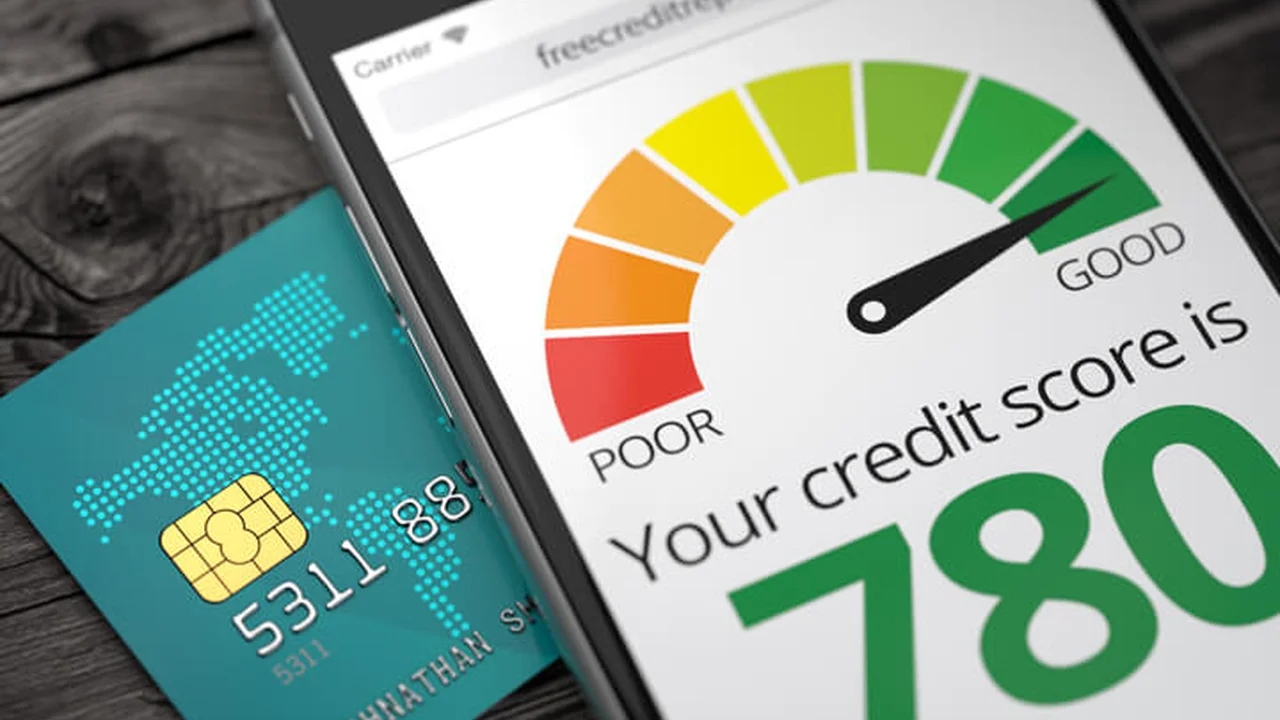
- Excellent Credit (750+ FICO): Access to premium rewards cards, low APRs, and the best benefits.
- Good Credit (700-749 FICO): A wide range of rewards cards and competitive APRs.
- Fair/Average Credit (650-699 FICO): Fewer top-tier rewards options, but still good choices for building credit or getting basic cards.
- Limited/Bad Credit (Below 650 FICO): Secured cards, student cards, or cards specifically designed for rebuilding credit are usually the best options.
Top Credit Card Recommendations for Various Scenarios
Alright, let's get to some specific recommendations! Remember, these are general suggestions, and you should always check the most current terms and conditions as they can change.
Best Credit Cards for Building Credit From Scratch or Rebuilding
If your credit history is thin or needs some TLC, these cards are designed to help you establish or improve your score responsibly.
1. Discover it Secured Credit Card
- Use Case: Excellent for those with no credit history or bad credit who want to build credit while earning rewards.
- Key Features: Requires a security deposit (typically $200-$2,500), which becomes your credit limit. Reports to all three major credit bureaus. Offers 2% cash back at gas stations and restaurants (on up to $1,000 in combined purchases each quarter), and 1% on all other purchases. Discover matches all the cash back you've earned at the end of your first year, automatically.
- Pros: Earns rewards, no annual fee, path to an unsecured card after responsible use, free FICO score access.
- Cons: Requires a security deposit.
- Typical APR: Variable, usually around 25-27% (but you should aim to pay in full to avoid interest).
- Estimated Price/Deposit: Minimum $200 security deposit.
2. Capital One Platinum Secured Credit Card
- Use Case: Another solid option for building credit, especially if you have limited funds for a large deposit.
- Key Features: Offers a credit line of $200 for a security deposit of $49, $99, or $200, depending on your creditworthiness. No annual fee. Reports to all three major credit bureaus.
- Pros: Potentially lower security deposit, no annual fee, automatic credit line reviews for potential upgrades to an unsecured card.
- Cons: No rewards program.
- Typical APR: Variable, usually around 29-30%.
- Estimated Price/Deposit: $49, $99, or $200 security deposit.
Best Credit Cards for Cash Back Rewards
If you love getting a percentage of your spending back, these cards are fantastic for everyday use.
1. Chase Freedom Unlimited
- Use Case: Great for everyday spending with a simple, yet rewarding, cash back structure.
- Key Features: Earn 5% cash back on travel purchased through Chase Ultimate Rewards, 3% on dining and drugstore purchases, and 1.5% on all other purchases. No annual fee. Often comes with a decent sign-up bonus.
- Pros: Excellent cash back rates in popular categories, no annual fee, points can be combined with other Chase Ultimate Rewards cards for potentially higher value.
- Cons: Foreign transaction fees (2-3%).
- Typical APR: Variable, usually 20-29%.
- Estimated Price/Fee: No annual fee.
2. Citi Double Cash Card
- Use Case: Perfect for those who want a straightforward, high flat-rate cash back on all purchases without worrying about categories.
- Key Features: Earn 2% cash back on every purchase – 1% when you buy and 1% when you pay your bill. No annual fee.
- Pros: Simple and generous flat-rate cash back, no annual fee, often has a 0% intro APR on balance transfers.
- Cons: Foreign transaction fees (3%), no sign-up bonus (though sometimes offered for limited periods).
- Typical APR: Variable, usually 19-29%.
- Estimated Price/Fee: No annual fee.
3. Blue Cash Preferred Card from American Express
- Use Case: Ideal for families or individuals with high spending on groceries, streaming services, and gas.
- Key Features: Earn 6% cash back at U.S. supermarkets (on up to $6,000 in purchases per year, then 1%), 6% on select U.S. streaming subscriptions, 3% on transit and at U.S. gas stations, and 1% on other purchases.
- Pros: Very high cash back rates in key spending categories, often a good sign-up bonus.
- Cons: Annual fee ($0 intro annual fee for the first year, then $95), spending cap on supermarket rewards.
- Typical APR: Variable, usually 19-29%.
- Estimated Price/Fee: $95 annual fee (waived first year).
Best Credit Cards for Travel Rewards
If you dream of free flights and hotel stays, these cards can help you get there faster.
1. Chase Sapphire Preferred Card
- Use Case: A fantastic entry-level travel card for those who want flexible points and solid travel benefits.
- Key Features: Earn 2x points on travel and dining, 1x on all other purchases. Points are worth 25% more when redeemed for travel through Chase Ultimate Rewards. Can transfer points 1:1 to airline and hotel partners. Strong sign-up bonus.
- Pros: Flexible points, great redemption value, primary car rental insurance, no foreign transaction fees.
- Cons: Annual fee.
- Typical APR: Variable, usually 21-28%.
- Estimated Price/Fee: $95 annual fee.
2. Capital One Venture Rewards Credit Card
- Use Case: Simple and straightforward travel rewards for those who prefer a flat-rate earning structure.
- Key Features: Earn 2 miles per dollar on every purchase, every day. Miles can be redeemed for travel purchases (statement credit) or transferred to airline partners. Global Entry or TSA PreCheck application fee credit.
- Pros: Easy to understand rewards, no foreign transaction fees, good for general travel spending.
- Cons: Annual fee.
- Typical APR: Variable, usually 20-28%.
- Estimated Price/Fee: $95 annual fee.
3. American Express Gold Card
- Use Case: Excellent for foodies and frequent diners, offering premium rewards on groceries and restaurants.
- Key Features: Earn 4x points at U.S. supermarkets (on up to $25,000 per calendar year in purchases, then 1x) and at restaurants worldwide. 3x points on flights booked directly with airlines or on amextravel.com. Up to $120 dining credit and up to $120 Uber Cash annually.
- Pros: High rewards rates in key categories, valuable statement credits, no foreign transaction fees.
- Cons: High annual fee, requires excellent credit.
- Typical APR: Pay in full card (though some charges may be eligible for Pay Over Time with an APR of 21-29%).
- Estimated Price/Fee: $250 annual fee.
Best Credit Cards for Balance Transfers and 0% Intro APR
If you're looking to pay down debt without accruing interest for a period, these cards are your best friends.
1. Citi Simplicity Card
- Use Case: Ideal for those who need a long time to pay off transferred balances and want to avoid late fees.
- Key Features: Offers one of the longest 0% intro APR periods on balance transfers (often 21 months) and purchases (often 12 months). No late fees, no penalty rate.
- Pros: Very long 0% intro APR period, no annual fee, no late fees.
- Cons: No rewards program, balance transfer fee (usually 3-5%).
- Typical APR: Variable, usually 19-29% after intro period.
- Estimated Price/Fee: No annual fee, balance transfer fee applies.
2. Chase Slate Edge
- Use Case: Good for balance transfers and also for those looking to potentially lower their APR over time.
- Key Features: Offers a 0% intro APR on purchases and balance transfers for a significant period (often 18 months). Automatically considered for an APR reduction after a year of on-time payments and spending $1,000.
- Pros: Long 0% intro APR, no annual fee, potential for APR reduction.
- Cons: Balance transfer fee (usually 3-5%), no rewards program.
- Typical APR: Variable, usually 19-29% after intro period.
- Estimated Price/Fee: No annual fee, balance transfer fee applies.
Best Credit Cards for Students
For college students looking to start building credit responsibly.
1. Discover it Student Cash Back
- Use Case: Excellent for students who want to earn rewards while building credit.
- Key Features: Earn 5% cash back on everyday purchases at different places each quarter like Amazon.com, grocery stores, restaurants, and gas stations (on up to $1,500 in combined purchases, then 1%). 1% on all other purchases. Discover matches all the cash back you've earned at the end of your first year. Good Grades Reward ($20 statement credit each school year your GPA is 3.0 or higher for up to 5 years).
- Pros: Rewards program, no annual fee, good grades bonus, free FICO score access.
- Cons: Rotating bonus categories require activation.
- Typical APR: Variable, usually 18-27%.
- Estimated Price/Fee: No annual fee.
2. Capital One SavorOne Student Cash Rewards Credit Card
- Use Case: Great for students who spend a lot on dining, entertainment, and groceries.
- Key Features: Earn 3% cash back on dining, entertainment, popular streaming services, and at grocery stores (excluding superstores like Walmart and Target). 1% on all other purchases. No annual fee.
- Pros: Strong cash back in relevant student spending categories, no annual fee, no foreign transaction fees.
- Cons: None significant for its target audience.
- Typical APR: Variable, usually 19-29%.
- Estimated Price/Fee: No annual fee.
Important Considerations Before Applying for a Credit Card
You've done your research, you know what you want. But before you hit 'apply,' here are a few more things to keep in mind.
Check Your Credit Score and Report
Knowing your credit score is crucial. It tells you which cards you're likely to qualify for. You can get your FICO score for free from many credit card issuers or through services like Experian. Also, pull your full credit report from AnnualCreditReport.com (it's free once a year from each of the three bureaus) and check for any errors. Disputing errors can improve your score and your chances of approval.
Understand the Application Process and Impact on Credit
When you apply for a credit card, the issuer typically performs a 'hard inquiry' on your credit report. This can temporarily ding your credit score by a few points. A few hard inquiries over a short period are usually fine, but too many can signal to lenders that you're desperate for credit, which can be a red flag. Only apply for cards you genuinely need and have a good chance of getting approved for.
Read the Fine Print Terms and Conditions
Seriously, don't skip this! The Schumer Box (the table of fees and rates) is your best friend. Understand the APR, annual fee, foreign transaction fees, balance transfer fees, and any other charges. Know the rewards structure, redemption options, and any caps or expiration dates on points/cash back.
Credit Limit and Utilization Ratio
Once approved, your credit limit is the maximum amount you can borrow. Your credit utilization ratio (how much credit you're using compared to your total available credit) is a major factor in your credit score. Aim to keep it below 30% – ideally even lower, like under 10% – for the best impact on your score. So, if your credit limit is $1,000, try not to carry a balance over $300.
Payment Due Dates and Minimum Payments
Always pay your bill on time! Late payments can severely damage your credit score and incur hefty fees. While paying the minimum payment keeps your account in good standing, it's always best to pay your statement balance in full to avoid interest charges. If you can't pay in full, pay as much as you possibly can above the minimum.
Customer Service and Mobile App Experience
While not directly financial, good customer service and a user-friendly mobile app can make a big difference in your overall experience. Check online reviews or ask friends about their experiences with different issuers.
Maximizing Your Credit Card Benefits and Responsible Use
Getting the right card is just the first step. Using it wisely is where the real magic happens.
Pay Your Bill in Full Every Month
This is the golden rule of credit cards. If you can't pay your balance in full, you're paying interest, which eats into any rewards you might earn. Treat your credit card like a debit card – only spend what you can afford to pay back immediately.
Set Up Automatic Payments
To avoid missing a payment, set up automatic payments for at least the minimum amount. Even better, set it to pay the full statement balance. This ensures you're never late and helps build a strong payment history.
Monitor Your Statements Regularly
Always review your monthly statements for accuracy. Look for any unauthorized charges or billing errors. Catching these early can save you a lot of hassle and protect you from fraud.
Don't Close Old Accounts Unnecessarily
Closing old credit card accounts can negatively impact your credit score by reducing your total available credit and shortening your average age of accounts. If a card has no annual fee, it's often best to keep it open, even if you don't use it frequently.
Be Wary of Credit Limit Increases
While a higher credit limit can improve your utilization ratio, it can also tempt you to spend more. Only accept credit limit increases if you're confident you can maintain responsible spending habits.
Utilize Card Benefits and Perks
Many cards come with hidden gems like extended warranties, purchase protection, travel insurance, or concierge services. Read up on your card's benefits guide and use them when applicable!
Final Thoughts on Your Credit Card Journey
Choosing the right credit card is a personal decision, and what's best for one person might not be ideal for another. It's all about aligning the card's features with your financial habits and goals. Don't be afraid to start with a simpler card and upgrade as your credit score and needs evolve. The most important thing is to use your credit card responsibly, pay your bills on time, and keep an eye on your spending. A credit card, when used wisely, can be a powerful tool for building financial health, earning rewards, and providing peace of mind. Happy card hunting!
:max_bytes(150000):strip_icc()/277019-baked-pork-chops-with-cream-of-mushroom-soup-DDMFS-beauty-4x3-BG-7505-5762b731cf30447d9cbbbbbf387beafa.jpg)