How Credit Utilization Impacts Your Score
Learn how your credit utilization ratio affects your credit score and strategies to manage it for optimal results.
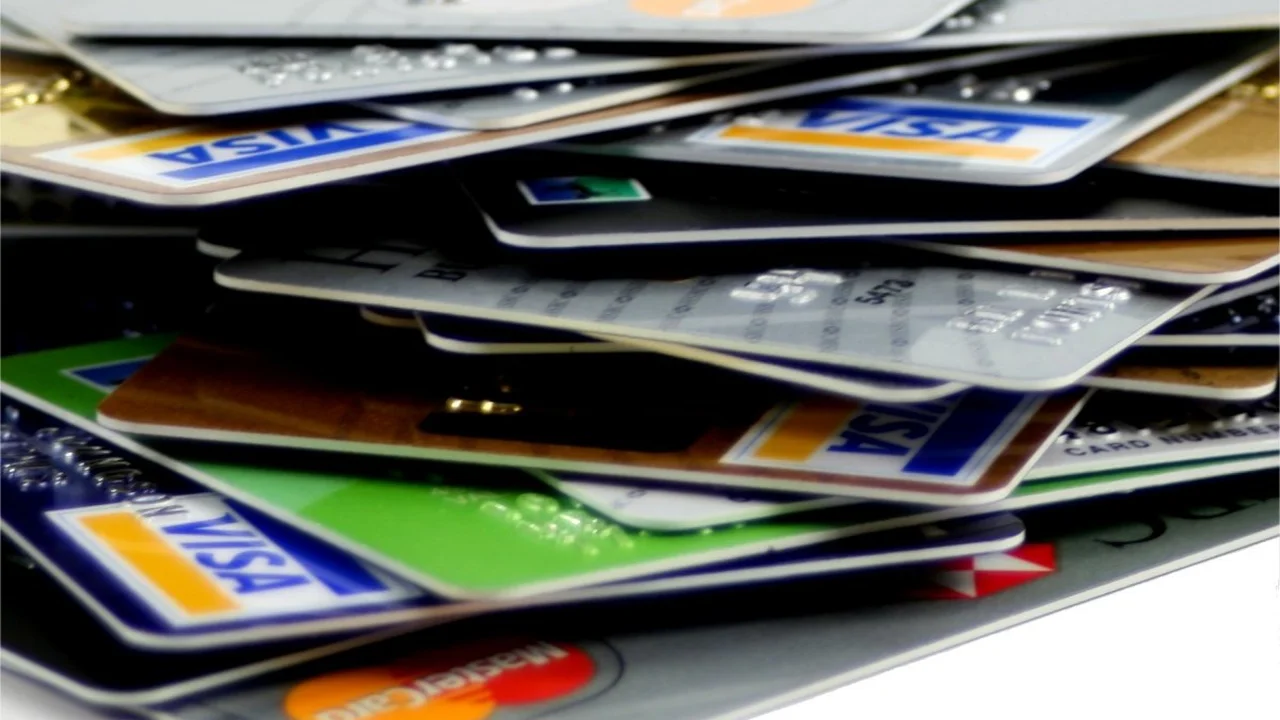
Learn how your credit utilization ratio affects your credit score and strategies to manage it for optimal results.
How Credit Utilization Impacts Your Score Understanding Your Credit Card Usage
Hey there! Ever wondered why your credit score fluctuates even when you're paying all your bills on time? One of the biggest, yet often misunderstood, factors is your credit utilization ratio. It's a fancy term for something pretty simple: how much of your available credit you're actually using. Think of it like this: if you have a credit card with a $10,000 limit and you've charged $1,000 on it, your utilization is 10%. Sounds straightforward, right? But this little percentage plays a massive role in how lenders and credit bureaus view your financial responsibility. Let's dive deep into what credit utilization is, why it matters so much, and how you can master it to boost your credit score.
What is Credit Utilization Ratio Defining Your Credit Usage
At its core, your credit utilization ratio (CUR) is the amount of revolving credit you're currently using divided by the total amount of revolving credit you have available. Revolving credit typically refers to credit cards and lines of credit, where you can borrow, repay, and borrow again up to a certain limit. Installment loans, like mortgages or car loans, don't usually factor into this calculation because they have a fixed payment schedule and a set end date.
So, if you have three credit cards:
- Card A: $5,000 limit, $1,000 balance
- Card B: $3,000 limit, $500 balance
- Card C: $2,000 limit, $0 balance
Your total available credit is $5,000 + $3,000 + $2,000 = $10,000. Your total current balance is $1,000 + $500 + $0 = $1,500. Your credit utilization ratio would be $1,500 / $10,000 = 0.15, or 15%. This is your overall utilization. Credit bureaus also look at individual card utilization, but the overall ratio tends to have a stronger impact.
Why Credit Utilization Matters So Much The Impact on Your Credit Score
Credit utilization is a huge piece of the puzzle when it comes to your credit score. In fact, it accounts for about 30% of your FICO score, second only to your payment history (which is about 35%). Why is it so important? Lenders see a high utilization ratio as a red flag. It suggests that you might be over-reliant on credit, potentially struggling financially, or at a higher risk of defaulting on your payments. Conversely, a low utilization ratio indicates that you're managing your credit responsibly and aren't stretched thin, making you a more attractive borrower.
Think of it from a lender's perspective. If someone is maxing out all their credit cards, they look like a risk. If someone has plenty of available credit but only uses a small portion, they appear financially stable and less likely to miss payments. It's all about perceived risk.
The Golden Rule of Credit Utilization Aiming for Optimal Scores
You've probably heard the magic number: keep your credit utilization below 30%. This is a widely accepted guideline, and for good reason. Most credit scoring models start to penalize you once your utilization creeps above this threshold. However, to truly optimize your score, many experts recommend aiming even lower, ideally below 10%. The lower, the better, generally speaking, as long as you're actually using your credit cards occasionally to show activity.
It's not just about the overall ratio; individual card utilization matters too. If you have one card maxed out but others with zero balances, your overall utilization might look okay, but that one maxed-out card could still negatively impact your score. It's best to spread your spending across cards if possible, or better yet, keep balances low on all of them.
Strategies to Lower Your Credit Utilization Ratio Practical Tips for Improvement
Now that we know why it's important, let's talk about how to get that ratio down and keep it there. Here are some effective strategies:
Pay Down Balances Reducing Your Debt Load
This is the most direct way to lower your utilization. Focus on paying down your credit card balances, especially those with the highest interest rates or highest utilization. Even making multiple payments throughout the month can help. If your credit card company reports your balance to the credit bureaus once a month, and you pay it down before that reporting date, your reported utilization will be lower.
Increase Your Credit Limit Boosting Your Available Credit
If you're a responsible borrower with a good payment history, you can request a credit limit increase from your credit card issuer. If approved, this immediately increases your total available credit, which in turn lowers your utilization ratio (assuming your spending remains the same). Be cautious with this strategy: only do it if you trust yourself not to spend more just because you have more credit. The goal is to lower your ratio, not to accumulate more debt.
Open a New Credit Card Expanding Your Credit Portfolio
Similar to increasing your credit limit, opening a new credit card adds to your total available credit. This can be a good strategy if you're looking to diversify your credit mix or get better rewards. However, opening a new account will result in a hard inquiry on your credit report, which can temporarily ding your score. Also, a new account lowers your average age of accounts, another factor in your score. So, use this strategy judiciously and only if you're confident you can manage the new credit responsibly.
Become an Authorized User Leveraging Someone Else's Good Credit
If you have a trusted friend or family member with excellent credit habits and a low utilization ratio on one of their cards, they might be willing to add you as an authorized user. Their positive credit history and low utilization on that card could then appear on your credit report, potentially boosting your score. Make sure they understand that you won't actually be using the card, and they should be comfortable with the arrangement. This is a great option for those just starting to build credit or looking for a quick boost.
Pay Off Cards Before the Statement Date Optimizing Reporting
Credit card companies typically report your balance to the credit bureaus once a month, usually around your statement closing date. If you pay off a significant portion of your balance before this date, the lower balance will be reported, resulting in a lower utilization ratio. This is a smart trick to keep your reported utilization low, even if you use your cards frequently.
Avoid Closing Old Credit Cards Preserving Your Credit History
It might seem counterintuitive, but closing an old credit card can actually hurt your utilization ratio. When you close a card, you lose that available credit, which can increase your overall utilization. Plus, older accounts contribute to a longer average age of accounts, which is a positive factor in your credit score. Unless there's a compelling reason (like an annual fee you can't justify or a temptation to overspend), it's often better to keep old accounts open, even if you don't use them regularly.
Specific Product Recommendations and Use Cases Tools for Managing Utilization
While credit utilization is about your behavior, certain financial products and services can help you manage it more effectively. Here are a few categories and specific examples:
Credit Monitoring Services Keeping an Eye on Your Score
These services help you track your credit score and report, often providing alerts when changes occur, including shifts in your utilization. They can be invaluable for staying on top of your credit health.
- Experian Boost: While not directly a utilization tool, Experian Boost can help by adding positive payment history from utility and telecom bills to your Experian credit report, potentially increasing your score and indirectly making your utilization look better in context. It's free to use.
- Credit Karma: Offers free credit scores (VantageScore) and reports from TransUnion and Equifax. It provides a credit utilization breakdown and offers personalized recommendations. Free.
- MyFICO: The official consumer division of FICO, offering access to your FICO scores and reports from all three bureaus. It provides detailed insights into all factors affecting your score, including utilization. Plans start around $19.95/month.
Balance Transfer Credit Cards Consolidating High-Interest Debt
If you have high balances on multiple cards, a balance transfer card can be a game-changer. These cards often offer an introductory 0% APR period (typically 12-21 months) on transferred balances, allowing you to pay down your principal without accruing interest. This can significantly reduce your overall debt and, by extension, your utilization.
- Citi Simplicity Card: Known for one of the longest 0% intro APR periods on balance transfers (often 21 months). It has no annual fee and no late fees, making it a solid choice for debt consolidation. Balance transfer fee typically 3-5%.
- Wells Fargo Reflect Card: Offers a competitive 0% intro APR for 21 months on purchases and qualifying balance transfers. No annual fee. Balance transfer fee typically 5%.
- BankAmericard Credit Card: Another strong contender with a long 0% intro APR period (often 18 months) on balance transfers. No annual fee. Balance transfer fee typically 3%.
Use Case: You have $5,000 spread across two cards, both with 20% APR. You transfer the balance to a Citi Simplicity Card. For 21 months, you pay no interest on that $5,000, allowing you to focus solely on reducing the principal. This directly lowers your reported balances and thus your utilization.
Secured Credit Cards Building Credit Responsibly
For those with poor or no credit, a secured credit card is an excellent way to build a positive payment history and manage utilization. You put down a security deposit, which typically becomes your credit limit. This makes it easier to keep utilization low because you're essentially borrowing against your own money.
- Discover it Secured Credit Card: A popular choice, it requires a minimum $200 deposit. After 7 months, Discover automatically reviews your account to see if you can transition to an unsecured card and get your deposit back. It also offers cash back rewards, which is rare for secured cards. No annual fee.
- Capital One Platinum Secured Credit Card: Offers flexible security deposit options ($49, $99, or $200 for a $200 credit line). Capital One also reviews your account for an upgrade to an unsecured card. No annual fee.
- Chime Credit Builder Visa Credit Card: This is a unique secured card that doesn't require a credit check or a minimum security deposit. Instead, you move money from your Chime checking account into your Credit Builder account, and that becomes your credit limit. It reports to all three major credit bureaus. No annual fee.
Use Case: You're new to credit and get a Discover it Secured Card with a $500 limit. You use it for small, regular purchases (e.g., gas, groceries) and pay it off in full every month. By keeping your balance low (e.g., $50) and paying it off, your utilization remains at 10% ($50/$500), which is excellent for building credit.
Credit Builder Loans A Structured Approach to Credit Building
These loans are designed to help you build credit and save money simultaneously. The loan amount is held in a locked savings account while you make payments. Once the loan is paid off, you get access to the money. Your on-time payments are reported to credit bureaus, helping your payment history and indirectly your utilization by showing responsible credit management.
- Self Credit Builder Account: Offers loans ranging from $500 to $2,500 with terms from 12 to 24 months. You make monthly payments, and at the end, you get your money back (minus interest and fees). Reports to all three bureaus. Fees vary by loan amount and term.
- Kikoff Credit Account: A smaller, more accessible option. You get a $750 line of credit to purchase items from the Kikoff store (e.g., e-books). You make small monthly payments ($5-$10), and these payments are reported. This helps build payment history and keeps utilization low. Monthly fee of $5.
Use Case: You sign up for a Self Credit Builder Account for $1,000 over 12 months. You pay $89 per month. These payments are reported, building positive payment history. Since it's an installment loan, it doesn't directly impact your revolving utilization, but it strengthens your overall credit profile, making you a more attractive candidate for higher credit limits on revolving accounts later.
Common Misconceptions About Credit Utilization Debunking Myths
There are a few myths floating around about credit utilization that can lead to bad financial decisions. Let's clear them up:
Myth 1: You Should Never Use Your Credit Cards
Some people believe that to have a perfect credit score, you should never use your credit cards. This isn't true! If you never use your cards, credit bureaus have no activity to report, making it difficult to build a strong credit history. The key is to use them responsibly, keeping balances low and paying them off.
Myth 2: Paying Off Your Card in Full Every Month Means 0% Utilization
While paying in full is fantastic for avoiding interest, it doesn't necessarily mean 0% utilization will be reported. As mentioned, your credit card company reports your balance on a specific date. If you make purchases after paying in full but before the reporting date, that balance will be reported. To ensure 0% or very low utilization is reported, you might need to pay off your card a few days before your statement closing date.
Myth 3: Closing Old Accounts Helps Your Score
As discussed, closing old accounts can actually hurt your score by reducing your total available credit and shortening your average age of accounts. It's generally better to keep them open, even if you don't use them.
The Long-Term Game Building Sustainable Credit Habits
Managing your credit utilization isn't a one-time fix; it's an ongoing process. It requires consistent attention to your spending and payment habits. By understanding how this crucial factor impacts your credit score, you're empowered to make smarter financial decisions that will benefit you for years to come. A healthy credit utilization ratio opens doors to better interest rates on loans, easier approval for apartments, and even lower insurance premiums. It's a cornerstone of strong financial health, so keep those balances low and watch your credit score soar!
:max_bytes(150000):strip_icc()/277019-baked-pork-chops-with-cream-of-mushroom-soup-DDMFS-beauty-4x3-BG-7505-5762b731cf30447d9cbbbbbf387beafa.jpg)