Top 5 Debt Consolidation Loans Reviewed
Compare the 5 best debt consolidation loans to simplify your payments and potentially lower your interest rates.

Compare the 5 best debt consolidation loans to simplify your payments and potentially lower your interest rates. Hey there! Are you feeling swamped by multiple debts? Credit card bills piling up, personal loans here and there, maybe even some medical debt? It's a common scenario, and honestly, it can feel pretty overwhelming. But what if I told you there's a way to gather all those scattered payments into one, more manageable monthly bill? That's where debt consolidation loans come in. Think of it like hitting the 'reset' button on your debt.
In this super detailed guide, we're going to dive deep into the world of debt consolidation loans. We'll explore what they are, how they work, and most importantly, we'll review the top 5 options out there that could be your ticket to financial freedom. We're talking about real-world scenarios, specific product recommendations, use cases, and even a peek at their pricing structures. So, grab a coffee, get comfy, and let's figure out how to get your finances back on track!
Top 5 Debt Consolidation Loans Reviewed
Understanding Debt Consolidation Loans What Are They and How Do They Work
First things first, let's get a clear picture of what a debt consolidation loan actually is. In simple terms, it's a new loan you take out to pay off several smaller, existing debts. Instead of juggling multiple payments to different creditors each month, you'll have just one payment to one lender. The goal? Often, it's to secure a lower interest rate than what you're currently paying on your high-interest debts (like credit cards), which can save you a ton of money over time. It can also simplify your financial life, making it easier to manage your budget and stay on top of your payments.
Imagine you have three credit cards with balances of $5,000, $3,000, and $2,000, each with interest rates ranging from 18% to 25%. That's three separate payments, three different due dates, and a whole lot of interest accruing. With a debt consolidation loan, you might get a single loan for $10,000 at, say, 10% interest. You use that $10,000 to pay off all three credit cards immediately. Now, you only have one payment of $X per month at a much lower interest rate. Sounds pretty good, right?
The process usually involves applying for a personal loan from a bank, credit union, or online lender. If approved, the funds are either sent directly to your creditors or deposited into your bank account for you to pay off the debts. You then make fixed monthly payments to the new lender until the consolidation loan is paid off. It's crucial to remember that this isn't a magic bullet that makes your debt disappear; it's a tool to make managing and paying off your debt more efficient and potentially less expensive.
Who Benefits Most from Debt Consolidation Loans Ideal Use Cases
Debt consolidation isn't for everyone, but it can be a game-changer for certain individuals. You're likely a good candidate if:
- You have high-interest debt: This is the biggest one. If your credit card interest rates are through the roof (think 15% and above), a consolidation loan with a lower rate can save you significant money.
- You have a decent credit score: Lenders offer the best rates to borrowers with good to excellent credit (typically FICO scores of 670+). A higher score means you're more likely to qualify for a favorable interest rate.
- You can commit to a single payment: If you're struggling to keep track of multiple due dates and minimum payments, consolidating can simplify your financial life and reduce the risk of missed payments.
- You're disciplined: This is key! A consolidation loan only works if you stop accumulating new debt. If you pay off your credit cards and then immediately run up new balances, you'll end up in a worse position.
- You have a stable income: Lenders want to see that you have the ability to repay the new loan. A steady job and reliable income are important factors.
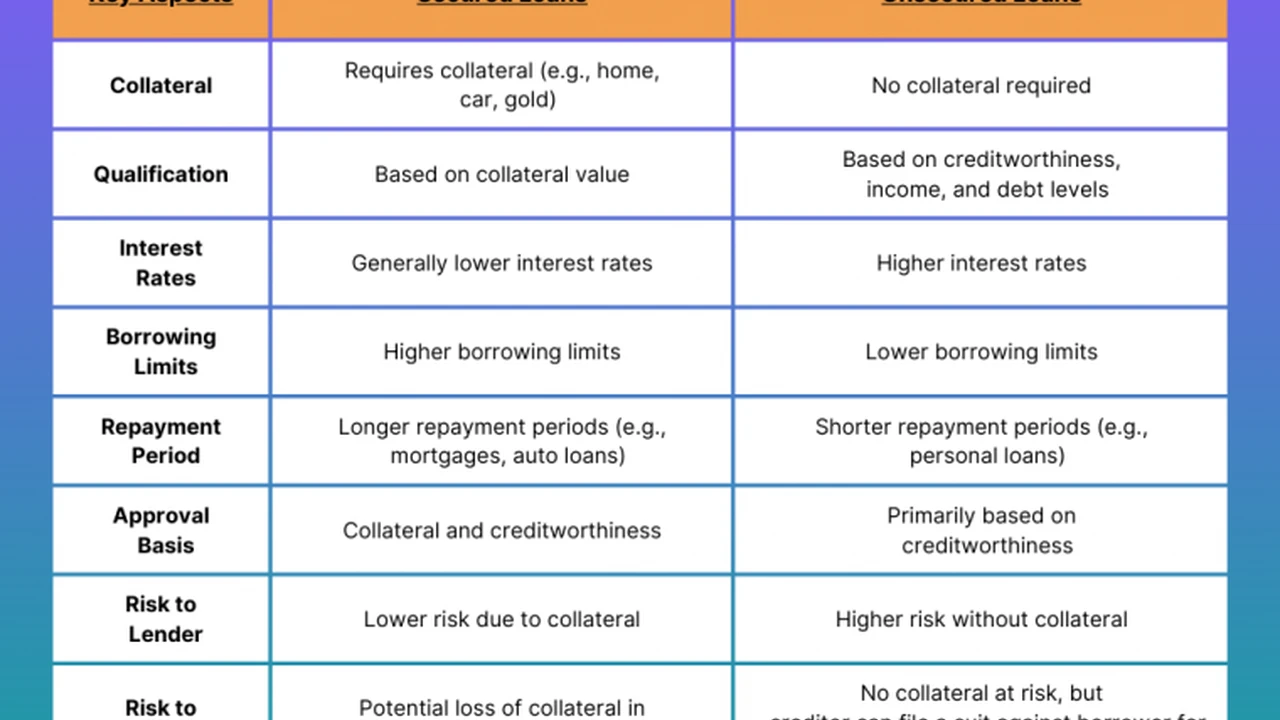
On the flip side, if you have a very low credit score, you might not qualify for a low enough interest rate to make consolidation worthwhile. In that case, other debt relief options like debt management plans or credit counseling might be more appropriate. Also, if your debt is primarily secured debt (like a mortgage or car loan), a personal loan might not be the best consolidation tool.
Key Factors to Consider When Choosing a Debt Consolidation Loan Interest Rates Fees and Terms
Before you jump into applying, it's super important to understand what makes a good debt consolidation loan. Here are the critical factors to scrutinize:
- Interest Rate (APR): This is probably the most important factor. A lower APR means you'll pay less in interest over the life of the loan. Compare rates from multiple lenders. Remember, the advertised rates are often for the most creditworthy borrowers, so your actual rate might be higher.
- Fees: Some lenders charge an origination fee, which is a percentage of the loan amount deducted from your payout. Others might have late payment fees or prepayment penalties (though these are less common with personal loans). Always read the fine print!
- Loan Term: This is how long you have to repay the loan. Shorter terms usually mean higher monthly payments but less interest paid overall. Longer terms mean lower monthly payments but more interest paid. Find a term that fits your budget without dragging out the repayment unnecessarily.
- Loan Amount: Make sure the loan amount you qualify for is enough to cover all the debts you want to consolidate.
- Lender Reputation and Customer Service: Read reviews! You want a lender that's transparent, easy to work with, and has good customer support in case you have questions or issues.
- Eligibility Requirements: Each lender has different criteria for credit score, income, and debt-to-income ratio. Make sure you meet their basic requirements before applying to avoid unnecessary hard inquiries on your credit report.
Top 5 Debt Consolidation Loan Providers Detailed Reviews and Comparisons
Alright, let's get to the good stuff! Here are our top picks for debt consolidation loan providers, along with their typical offerings, ideal use cases, and what makes them stand out.
1. SoFi Best for Excellent Credit and No Fees
Who they are: SoFi is a popular online lender known for its competitive rates and lack of fees for highly qualified borrowers. They started with student loan refinancing but have expanded significantly into personal loans, mortgages, and even investing.
Typical Offerings:
- APR Range: Typically from 8.99% to 29.99% (with AutoPay).
- Loan Amounts: $5,000 to $100,000.
- Loan Terms: 2 to 7 years.
- Fees: No origination fees, no late fees, no prepayment penalties. This is a huge plus!
- Credit Score Requirement: Generally good to excellent credit (680+ FICO) is needed for the best rates.
Ideal Use Case: SoFi is fantastic if you have a strong credit score and a stable income. If you're looking to consolidate a significant amount of high-interest debt and want to avoid extra fees, SoFi should be at the top of your list. Their quick online application process and pre-qualification option (which doesn't affect your credit score) make it easy to see what rates you might qualify for.
Why they stand out: The complete absence of fees is a major differentiator. Many lenders charge an origination fee, which can eat into your loan amount. SoFi also offers unemployment protection, allowing you to pause payments for a period if you lose your job, which is a nice safety net.
Pricing/Cost Example: Let's say you borrow $20,000 at 10% APR over a 5-year term. Your estimated monthly payment would be around $424.94. With no origination fee, you get the full $20,000. Over 5 years, you'd pay approximately $5,496.40 in interest.
2. LightStream Best for Low Rates and Flexible Terms
Who they are: LightStream, a division of Truist Bank, is another online lender renowned for offering some of the lowest interest rates in the industry. They pride themselves on a streamlined online application and funding process.
Typical Offerings:
- APR Range: As low as 6.99% to 24.49% (with AutoPay).
- Loan Amounts: $5,000 to $100,000.
- Loan Terms: 2 to 7 years (up to 12 years for some specific loan types like home improvement).
- Fees: No origination fees, no late fees, no prepayment penalties.
- Credit Score Requirement: Excellent credit (700+ FICO) is almost a must for their lowest rates. They look for a strong credit history with diverse account types.
Ideal Use Case: If you have truly excellent credit and a long history of responsible financial behavior, LightStream is often the go-to choice for the absolute lowest rates. They are particularly good for consolidating a wide range of debts, and their flexible terms can be appealing. They also offer a 'Rate Beat' program, where they'll beat a competitor's rate by 0.10 percentage points if you meet certain criteria.
Why they stand out: Their consistently low APRs for top-tier borrowers are their main selling point. Like SoFi, they also boast a no-fee structure, which is a significant advantage. Their application process is entirely online and can be very fast, with funds often available the same day.
Pricing/Cost Example: If you qualify for a $20,000 loan at 7% APR over a 5-year term, your estimated monthly payment would be around $396.02. Over 5 years, you'd pay approximately $3,761.20 in interest. Noticeably less than the SoFi example due to the lower APR.
3. Marcus by Goldman Sachs Best for Good Credit and User Experience
Who they are: Marcus is the online consumer lending arm of investment banking giant Goldman Sachs. They've quickly gained a reputation for offering competitive personal loans with a strong focus on customer experience and transparency.
Typical Offerings:
- APR Range: Typically from 8.99% to 29.99% (with AutoPay).
- Loan Amounts: $3,500 to $40,000.
- Loan Terms: 3 to 6 years.
- Fees: No origination fees, no late fees, no prepayment penalties.
- Credit Score Requirement: Good credit (660+ FICO) is generally needed.
Ideal Use Case: Marcus is an excellent choice for individuals with good credit who are looking for a straightforward, no-frills personal loan for debt consolidation. Their loan amounts are a bit lower than SoFi or LightStream, making them suitable for consolidating moderate amounts of debt. They also offer a unique feature where you can defer one payment after 12 consecutive on-time payments, which can be helpful in a pinch.
Why they stand out: Like the others on this list, Marcus offers no fees, which is a big plus. Their customer service is highly rated, and their online platform is very user-friendly. The payment deferral option is a nice perk that provides some flexibility.
Pricing/Cost Example: For a $15,000 loan at 12% APR over a 4-year term, your estimated monthly payment would be around $395.00. Over 4 years, you'd pay approximately $3,960.00 in interest.
4. Upgrade Best for Fair to Good Credit and Direct Pay Options
Who they are: Upgrade is an online lending platform that aims to make credit more accessible. They are known for offering personal loans to a broader range of credit scores, including those with fair credit, and for their unique direct pay feature.
Typical Offerings:
- APR Range: Typically from 8.49% to 35.99%.
- Loan Amounts: $1,000 to $50,000.
- Loan Terms: 2 to 7 years.
- Fees: Origination fees range from 1.85% to 9.99% of the loan amount.
- Credit Score Requirement: Fair to good credit (600+ FICO) can often qualify.
Ideal Use Case: If your credit score isn't in the 'excellent' category but is still 'fair' or 'good,' Upgrade can be a solid option. They are more forgiving than some other lenders and can be a good stepping stone to better credit. Their direct pay feature, where they can send funds directly to your creditors, simplifies the consolidation process even further.
Why they stand out: The ability to qualify with a lower credit score is a significant advantage for many. The direct pay option is also a huge convenience, as it takes the burden of paying off individual creditors off your shoulders. However, be mindful of the origination fee, which can add to the overall cost.
Pricing/Cost Example: Let's say you get a $10,000 loan at 18% APR over a 3-year term, with a 5% origination fee. The fee would be $500, so you'd effectively receive $9,500. Your estimated monthly payment would be around $361.52. Over 3 years, you'd pay approximately $3,014.72 in interest, plus the $500 origination fee, totaling $3,514.72.
5. Happy Money Payoff Loan Best for Credit Card Debt Consolidation
Who they are: Happy Money (formerly Payoff) specializes specifically in personal loans designed to help people consolidate and pay off high-interest credit card debt. Their focus is on helping members become 'debt-free and happy.'
Typical Offerings:
- APR Range: Typically from 5.99% to 24.99%.
- Loan Amounts: $5,000 to $40,000.
- Loan Terms: 2 to 5 years.
- Fees: Origination fees range from 0% to 5% of the loan amount.
- Credit Score Requirement: Good credit (640+ FICO) is generally needed.
Ideal Use Case: If your primary goal is to tackle credit card debt, Happy Money is an excellent choice. Their entire platform and approach are geared towards this specific type of debt consolidation. They also offer financial wellness tools and support, which can be beneficial for long-term financial health.
Why they stand out: Their singular focus on credit card debt consolidation means their product is highly tailored for this purpose. They also emphasize a 'Member Experience Team' to provide support throughout your debt-free journey. The potential for a 0% origination fee for highly qualified borrowers is also a plus.
Pricing/Cost Example: For a $12,000 loan at 15% APR over a 4-year term, with a 3% origination fee. The fee would be $360. Your estimated monthly payment would be around $329.00. Over 4 years, you'd pay approximately $3,792.00 in interest, plus the $360 origination fee, totaling $4,152.00.
Alternatives to Debt Consolidation Loans Exploring Other Debt Relief Options
While debt consolidation loans are a fantastic tool, they aren't the only game in town. Depending on your financial situation, other options might be a better fit. It's always smart to explore all your avenues before making a big decision.
Balance Transfer Credit Cards When They Make Sense
A balance transfer credit card allows you to move high-interest credit card debt from one or more cards to a new card, often with a 0% introductory APR for a set period (e.g., 12 to 21 months). This can be a powerful way to pay down debt without accruing interest, but there are some catches.
- Pros: 0% interest for a promotional period, potentially saving you a lot of money.
- Cons: Usually comes with a balance transfer fee (typically 3-5% of the transferred amount). You MUST pay off the balance before the promotional period ends, or you'll be hit with high interest rates. Requires good to excellent credit to qualify for the best offers.
- Use Case: Best for those with good credit who can realistically pay off their transferred balance within the 0% APR period.
Debt Management Plans DMP A Structured Approach
A Debt Management Plan (DMP) is offered by non-profit credit counseling agencies. The agency works with your creditors to negotiate lower interest rates and waive fees, then consolidates your payments into one monthly payment to the agency. The agency then distributes the funds to your creditors.
- Pros: Lower interest rates, single monthly payment, structured repayment plan, no new loan needed. Can help if your credit isn't strong enough for a consolidation loan.
- Cons: Your credit cards are usually closed, and your credit score might take a temporary hit. You're committed to a strict payment schedule, typically 3-5 years.
- Use Case: Ideal for individuals with significant credit card debt who are struggling to make payments and have fair to poor credit, and who need external discipline.
Debt Settlement Negotiating for Less
Debt settlement involves negotiating with your creditors (either yourself or through a debt settlement company) to pay back a portion of what you owe, rather than the full amount. This is usually done when you're significantly behind on payments and facing financial hardship.
- Pros: You pay back less than the full amount of your debt.
- Cons: Severely damages your credit score for several years. Creditors are not obligated to settle. Can lead to lawsuits from creditors. The forgiven debt might be considered taxable income.
- Use Case: A last resort for those facing severe financial distress and who cannot make even minimum payments.
Credit Counseling Free Guidance and Support
Non-profit credit counseling agencies offer free or low-cost advice on managing your money and debt. They can help you create a budget, explore debt relief options, and provide education on financial literacy. They don't lend money but offer guidance.
- Pros: Free or affordable, unbiased advice, helps you understand your options, can lead to a DMP.
- Cons: Doesn't directly solve your debt problem, requires you to take action based on their advice.
- Use Case: Great for anyone feeling overwhelmed by debt and unsure of their next steps, regardless of credit score.
The Impact of Debt Consolidation on Your Credit Score Short Term and Long Term Effects
You're probably wondering, 'How will this affect my credit score?' It's a valid question, and the answer isn't always straightforward. There are both immediate and long-term impacts.
Immediate Effects
- Hard Inquiry: When you apply for a new loan, the lender will perform a 'hard inquiry' on your credit report. This typically causes a small, temporary dip in your credit score (usually less than 5 points) for a few months.
- New Account: Opening a new loan account will slightly lower the average age of your credit accounts, which can also have a minor negative impact.
- Increased Debt: Initially, your total debt might appear higher if the consolidation loan is reported before your old debts are reported as paid off.
Long-Term Effects Positive Outcomes
- Improved Credit Utilization: This is a big one! Once you pay off your credit cards, their balances will drop to zero. This significantly lowers your credit utilization ratio (the amount of credit you're using compared to your total available credit), which is a major factor in your credit score. A lower utilization ratio (ideally below 30%, even better below 10%) can boost your score significantly.
- Consistent Payments: Making consistent, on-time payments on your new consolidation loan will build a positive payment history, which is the most important factor in your credit score.
- Credit Mix: Adding an installment loan (like a personal loan) to your credit mix, especially if you primarily had revolving credit (credit cards), can be seen favorably by credit scoring models.
In the long run, if you manage your consolidation loan responsibly and avoid accumulating new debt, your credit score is very likely to improve. The key is discipline and sticking to your repayment plan.
Tips for Successful Debt Consolidation Maximizing Your Savings and Staying Debt Free
Getting a debt consolidation loan is just the first step. To truly succeed and stay out of debt, you need a solid strategy. Here are some pro tips:
- Create a Budget and Stick to It: This is non-negotiable. Understand where every dollar goes. A budget will help you ensure you can comfortably make your new loan payments and avoid new debt.
- Avoid New Debt: This is perhaps the most crucial piece of advice. Once your credit cards are paid off, resist the urge to use them again. If you do, you'll end up with the consolidation loan AND new credit card debt, putting you in a worse position. Consider cutting up your credit cards or freezing them if temptation is an issue.
- Automate Payments: Set up automatic payments for your consolidation loan. This ensures you never miss a payment, which is vital for your credit score and avoiding late fees.
- Pay More Than the Minimum (If Possible): If your budget allows, paying extra on your consolidation loan can help you pay it off faster and save even more on interest.
- Monitor Your Credit Report: Regularly check your credit report (you can get a free copy annually from AnnualCreditReport.com) to ensure your old debts are reported as paid off and that there are no errors.
- Build an Emergency Fund: Life happens! Having an emergency fund (3-6 months of living expenses) can prevent you from relying on credit cards when unexpected expenses arise.
- Seek Financial Education: Continue to educate yourself on personal finance. The more you know, the better decisions you can make.
Debt consolidation can be a powerful tool to regain control of your finances, but it requires commitment and smart financial habits. By choosing the right loan and following these tips, you can pave your way to a debt-free future and a much healthier financial life. Good luck on your journey!
:max_bytes(150000):strip_icc()/277019-baked-pork-chops-with-cream-of-mushroom-soup-DDMFS-beauty-4x3-BG-7505-5762b731cf30447d9cbbbbbf387beafa.jpg)