Personal Bankruptcy Chapter 7 vs Chapter 13
Compare Chapter 7 and Chapter 13 bankruptcy to understand which option best suits your financial circumstances.
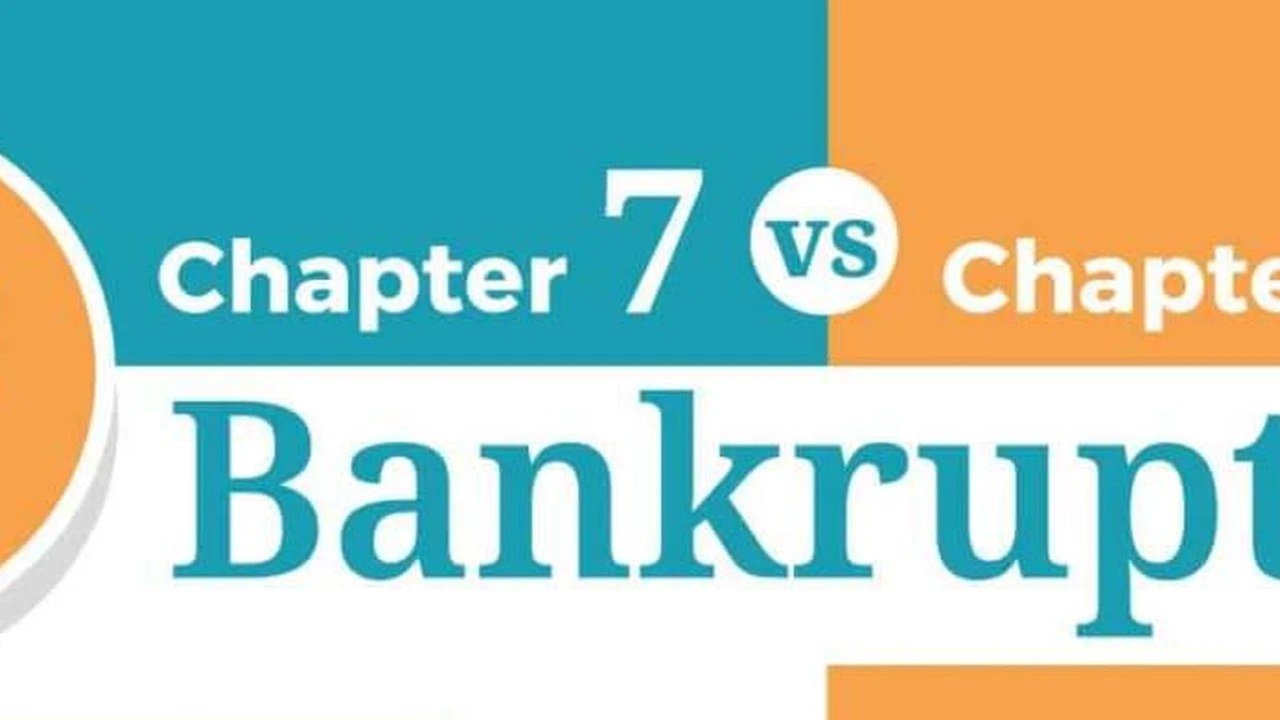
Compare Chapter 7 and Chapter 13 bankruptcy to understand which option best suits your financial circumstances.
Personal Bankruptcy Chapter 7 vs Chapter 13 A Comprehensive Guide
Facing overwhelming debt can feel like navigating a dense fog, with every turn leading to more uncertainty. For many, personal bankruptcy emerges as a potential beacon of hope, offering a structured path to financial relief. However, the world of bankruptcy isn't a one-size-fits-all solution. Primarily, individuals in the United States will encounter two main types: Chapter 7 and Chapter 13. Understanding the nuances between these two can be the difference between a fresh start and continued financial struggle. This comprehensive guide will delve deep into Chapter 7 and Chapter 13 bankruptcy, comparing their eligibility, processes, impacts, and ultimately, helping you determine which option might be best suited for your unique financial circumstances.
Understanding Bankruptcy Basics What is Bankruptcy
Before we dive into the specifics of Chapter 7 and Chapter 13, let's establish a foundational understanding of what bankruptcy entails. In essence, bankruptcy is a legal process, governed by federal law, designed to help individuals and businesses who can no longer repay their outstanding debts. It provides a fresh financial start by either liquidating assets to pay off creditors (Chapter 7) or by reorganizing debts into a manageable repayment plan (Chapter 13). The primary goal is to relieve debtors of their financial burdens while also providing a fair method for creditors to receive some payment. It's important to remember that bankruptcy is not a sign of failure, but rather a legal tool designed to help people recover from difficult financial situations.
Chapter 7 Bankruptcy The Liquidation Option for Debt Relief
Chapter 7 bankruptcy, often referred to as 'liquidation bankruptcy,' is designed for individuals with limited income who cannot afford to repay their debts. It's generally a quicker process, typically lasting 3-6 months. The core principle of Chapter 7 is the discharge of most unsecured debts, such as credit card debt, medical bills, and personal loans. In exchange for this discharge, a bankruptcy trustee may sell some of your non-exempt assets to pay off your creditors. However, it's crucial to understand that many assets are considered 'exempt' under federal and state laws, meaning you can keep them. Common exempt assets include your primary residence (up to a certain value), a vehicle (up to a certain value), household goods, and retirement accounts.
Eligibility for Chapter 7 Bankruptcy Means Test and Income Requirements
To qualify for Chapter 7 bankruptcy, you must pass the 'means test.' This test evaluates your income and expenses to determine if your income is low enough to justify a Chapter 7 filing. The means test compares your average monthly income over the past six months to the median income for a household of your size in your state. If your income is below the median, you generally qualify. If it's above the median, the test then considers your disposable income after accounting for certain allowed expenses. If your disposable income is too high to reasonably pay back a portion of your debts, you may be directed towards Chapter 13.
The Chapter 7 Process Filing and Discharge
The Chapter 7 process begins with filing a petition with the bankruptcy court. This petition includes detailed schedules of your assets, liabilities, income, and expenses. Once filed, an 'automatic stay' goes into effect, immediately stopping most collection activities, including lawsuits, wage garnishments, and harassing phone calls from creditors. A bankruptcy trustee is appointed to oversee your case, and you'll attend a 'meeting of creditors' (also known as a 341 meeting) where the trustee and any creditors can ask you questions under oath about your financial situation. After this, if no objections are raised and you've completed the required credit counseling courses, your eligible debts are typically discharged, providing you with a fresh financial start.
Pros and Cons of Chapter 7 Bankruptcy Quick Debt Relief and Asset Considerations
The primary advantage of Chapter 7 is the quick discharge of most unsecured debts, offering immediate relief from creditor harassment. It's also generally less expensive to file than Chapter 13. However, a significant drawback is the potential loss of non-exempt assets. While many assets are protected, if you have substantial equity in property that isn't exempt, you could lose it. Furthermore, not all debts are dischargeable in Chapter 7, such as most student loans, recent tax debts, child support, and alimony. It also remains on your credit report for 10 years, impacting your ability to obtain new credit.
Chapter 13 Bankruptcy The Reorganization Plan for Debt Repayment
Chapter 13 bankruptcy, often called 'reorganization bankruptcy,' is designed for individuals with regular income who can afford to repay some or all of their debts over time. Instead of liquidating assets, Chapter 13 involves creating a repayment plan, typically lasting three to five years, during which you make regular payments to a bankruptcy trustee. The trustee then distributes these payments to your creditors. This type of bankruptcy allows you to keep all of your property, including non-exempt assets, as long as you adhere to the repayment plan. It's particularly beneficial for those who are behind on mortgage payments or car loans and want to catch up while protecting their assets.
Eligibility for Chapter 13 Bankruptcy Income and Debt Limits
To qualify for Chapter 13, you must have a stable and regular income source to fund your repayment plan. Unlike Chapter 7, there's no means test in the same way, but there are debt limits. As of 2024, your unsecured debts must be less than $465,275 and your secured debts must be less than $1,395,875. These limits are adjusted periodically, so it's essential to check the most current figures. If your debts exceed these amounts, you might need to consider other options, such as Chapter 11 bankruptcy (though this is typically for businesses or very high-net-worth individuals).
The Chapter 13 Process Plan Proposal and Confirmation
The Chapter 13 process also begins with filing a petition, which triggers the automatic stay. However, instead of a liquidation schedule, you'll propose a detailed repayment plan. This plan outlines how you intend to repay your creditors over the next three to five years. The plan must meet certain legal requirements, including paying priority debts (like recent taxes and child support) in full, and ensuring unsecured creditors receive at least as much as they would in a Chapter 7 liquidation. Creditors and the bankruptcy trustee can object to the plan, and you may need to negotiate modifications. Once the court 'confirms' your plan, you are legally bound to make the agreed-upon payments. Upon successful completion of the plan, any remaining eligible debts are discharged.
Pros and Cons of Chapter 13 Bankruptcy Asset Protection and Repayment Commitment
A major advantage of Chapter 13 is the ability to keep all of your property, including your home and car, even if you have non-exempt equity. It also allows you to catch up on past-due mortgage payments and car loans, preventing foreclosure or repossession. Chapter 13 can also protect co-signers on consumer debts. However, the main drawback is the long-term commitment to a repayment plan, which can be challenging to maintain for several years. It also remains on your credit report for 7 years, similar to Chapter 7, but the impact might be slightly less severe due to the repayment effort. Furthermore, the total amount repaid to creditors can be higher than in Chapter 7, depending on your income and assets.
Key Differences Chapter 7 vs Chapter 13 Bankruptcy Comparison
Let's summarize the critical distinctions between Chapter 7 and Chapter 13 to help you visualize the differences:
- Eligibility: Chapter 7 is for lower-income individuals who pass the means test; Chapter 13 is for individuals with regular income who can afford a repayment plan and meet debt limits.
- Assets: Chapter 7 may involve liquidation of non-exempt assets; Chapter 13 allows you to keep all assets.
- Debt Type: Chapter 7 primarily discharges unsecured debts; Chapter 13 reorganizes both secured and unsecured debts.
- Duration: Chapter 7 is typically 3-6 months; Chapter 13 is 3-5 years.
- Repayment: Chapter 7 involves no repayment plan (beyond asset liquidation); Chapter 13 requires a structured repayment plan.
- Foreclosure/Repossession: Chapter 7 can delay but not prevent; Chapter 13 can prevent by allowing you to catch up on payments.
- Credit Report Impact: Chapter 7 stays for 10 years; Chapter 13 stays for 7 years.
Choosing the Right Path Factors to Consider for Your Financial Situation
Deciding between Chapter 7 and Chapter 13 is a highly personal decision that depends on your specific financial circumstances, goals, and eligibility. Here are key factors to consider:
Your Income and Ability to Repay Debts
If your income is low and you genuinely cannot afford to make significant payments towards your debts, Chapter 7 might be the more appropriate option, assuming you pass the means test. If you have a steady income and want to repay your debts over time while protecting your assets, Chapter 13 could be a better fit. Consider your current and projected income stability over the next few years.
Your Assets and Property Ownership
Do you own a home with significant equity? Do you have valuable non-exempt assets that you wish to keep? If preserving your assets is a top priority, Chapter 13 offers that protection. If your assets are primarily exempt or you have very few assets, Chapter 7 might be less risky in terms of asset loss.
Types of Debts You Owe Secured vs Unsecured Debts
Are you primarily dealing with unsecured debts like credit cards and medical bills? Chapter 7 is very effective for discharging these. Are you behind on your mortgage or car payments and want to save your home or vehicle? Chapter 13 provides a mechanism to cure these defaults through a repayment plan. Also, consider if you have significant priority debts like recent taxes or child support, as these are treated differently in each chapter.
Your Long Term Financial Goals and Credit Impact
While both types of bankruptcy significantly impact your credit, understanding the duration and nature of that impact is important. Chapter 7's 10-year presence on your report is longer than Chapter 13's 7 years. However, the ability to rebuild credit after bankruptcy often depends more on your post-bankruptcy financial habits than the specific chapter filed. Consider how quickly you want to re-establish credit and what steps you're willing to take.
Life After Bankruptcy Rebuilding Credit and Financial Health
Bankruptcy is not the end of your financial journey; it's a new beginning. Rebuilding your credit and establishing sound financial habits post-bankruptcy is crucial for long-term success. Here are some strategies:
Secured Credit Cards and Credit Builder Loans Post Bankruptcy Tools
One of the most effective ways to start rebuilding credit is by obtaining a secured credit card. These cards require a cash deposit, which acts as your credit limit, minimizing risk for the lender. By making small purchases and paying them off in full and on time each month, you demonstrate responsible credit behavior. Similarly, credit builder loans are designed to help you establish a positive payment history. You make payments into a savings account, and once the loan is paid off, you receive the funds, and the positive payment history is reported to credit bureaus.
Recommended Products for Credit Rebuilding:
- Discover it Secured Credit Card: This card is widely recommended for its straightforward approach to credit building. It requires a security deposit (typically $200-$2,500), and after 7 months, Discover automatically reviews your account to see if you can transition to an unsecured card and get your deposit back. It also offers 2% cash back at gas stations and restaurants on up to $1,000 in combined purchases each quarter, and 1% cash back on all other purchases. There's no annual fee.
- Chime Credit Builder Visa® Credit Card: This unique card doesn't require a credit check to apply and has no annual fee. It works by allowing you to move money from your Chime checking account into a secured account, which then becomes your credit limit. You can only spend what you've moved, helping to prevent overspending. It reports to all three major credit bureaus.
- OpenSky Secured Visa Credit Card: This card is another excellent option for those with poor credit or no credit history, as there's no credit check required. You choose your credit limit by providing a security deposit (minimum $200). It has an annual fee of $35, but it's a reliable way to report positive payment history.
- Self Credit Builder Account: This isn't a credit card but a credit builder loan. You choose a loan amount and term (e.g., $500 for 12 months). You make monthly payments, and these payments are reported to the credit bureaus. Once the loan is paid off, you receive the money, minus interest and fees. It's a great way to build both savings and credit simultaneously.
Budgeting and Financial Planning Post Bankruptcy Strategies
A crucial step after bankruptcy is to create and stick to a realistic budget. This involves tracking your income and expenses to ensure you're living within your means and saving for the future. Utilize budgeting apps or spreadsheets to monitor your spending. Consider working with a non-profit credit counselor to develop a personalized financial plan. Focus on building an emergency fund to avoid future reliance on credit for unexpected expenses. Aim to save at least 3-6 months' worth of living expenses.
Monitoring Your Credit Report and Score Regular Checks for Accuracy
Regularly monitor your credit report from all three major credit bureaus (Equifax, Experian, and TransUnion) to ensure accuracy and identify any fraudulent activity. You are entitled to a free copy of your credit report from each bureau annually through AnnualCreditReport.com. Check for discharged debts that are still being reported as outstanding or any new negative entries. Dispute any inaccuracies promptly. Also, keep an eye on your credit score using free tools provided by many credit card companies or financial institutions.
Common Misconceptions About Bankruptcy Debunking Myths
Many myths surround bankruptcy, often leading to unnecessary fear or hesitation. Let's debunk a few:
- Myth: You lose everything in bankruptcy. As discussed, many assets are exempt, especially in Chapter 7, and Chapter 13 allows you to keep all your property.
- Myth: You can never get credit again. While your credit score will drop, it's absolutely possible to rebuild credit after bankruptcy, often within a few years, by demonstrating responsible financial behavior.
- Myth: Bankruptcy is a moral failure. Bankruptcy is a legal remedy designed to help people overcome financial hardship, often caused by unforeseen circumstances like job loss, medical emergencies, or divorce.
- Myth: Everyone will know you filed for bankruptcy. While bankruptcy filings are public record, unless you're a prominent figure or a large business, it's unlikely that your filing will be widely known.
Seeking Professional Guidance The Role of a Bankruptcy Attorney
Navigating the complexities of bankruptcy law can be challenging. It's highly recommended to consult with an experienced bankruptcy attorney. An attorney can help you:
- Determine your eligibility for Chapter 7 or Chapter 13.
- Understand the implications of each chapter for your specific situation.
- Prepare and file all necessary paperwork accurately.
- Represent you at the meeting of creditors and in court.
- Advise you on protecting your assets and maximizing your debt discharge.
While there are resources for filing bankruptcy pro se (on your own), the legal intricacies and potential for costly mistakes make professional guidance invaluable. Many attorneys offer free initial consultations, allowing you to explore your options without immediate financial commitment.
Ultimately, choosing between Chapter 7 and Chapter 13 bankruptcy is a significant decision with long-term financial implications. By understanding the differences, assessing your personal circumstances, and seeking expert advice, you can make an informed choice that paves the way for a healthier financial future. Remember, bankruptcy is a tool for recovery, not a permanent setback. With careful planning and diligent effort, you can emerge from bankruptcy stronger and more financially resilient.
:max_bytes(150000):strip_icc()/277019-baked-pork-chops-with-cream-of-mushroom-soup-DDMFS-beauty-4x3-BG-7505-5762b731cf30447d9cbbbbbf387beafa.jpg)