Understanding Loan Covenants What They Mean
Demystify loan covenants and understand their importance in lending agreements for borrowers.
Demystify loan covenants and understand their importance in lending agreements for borrowers.
Understanding Loan Covenants What They Mean
What are Loan Covenants and Why Do They Matter for Borrowers?
Ever signed a loan agreement and felt like you needed a law degree to understand all the fine print? You're not alone! Among the many clauses, you'll often find something called 'loan covenants.' These aren't just fancy legal terms; they're crucial conditions that lenders impose on borrowers. Think of them as rules you agree to follow throughout the life of your loan. They're designed to protect the lender's investment, ensuring you're a responsible borrower and that the loan will be repaid. But here's the kicker: they also significantly impact your financial flexibility and operations, whether you're an individual, a small business, or a large corporation. Understanding these covenants is absolutely essential before you put your signature on any loan document. Ignoring them can lead to serious consequences, including default, accelerated repayment, and even legal action. So, let's dive deep into what loan covenants are, why they exist, and how they can affect you.
Types of Loan Covenants Exploring Affirmative and Negative Covenants
Loan covenants generally fall into two main categories: affirmative covenants and negative covenants. Each type serves a distinct purpose in managing the lender's risk and guiding the borrower's behavior.
Affirmative Covenants What You Must Do
Affirmative covenants, also known as positive covenants, outline actions that the borrower must take. These are typically straightforward requirements aimed at maintaining the borrower's financial health and transparency. Here are some common examples:
- Maintain Insurance: You'll likely be required to maintain adequate insurance coverage on assets that secure the loan, such as property or equipment. For instance, if you take out a mortgage, your lender will insist on homeowner's insurance. For a business loan secured by inventory, you'll need inventory insurance.
- Provide Financial Statements: Lenders want to keep an eye on your financial performance. This covenant requires you to regularly submit financial statements (e.g., quarterly, annually), tax returns, and other relevant financial reports. This allows them to monitor your solvency and compliance with other covenants.
- Pay Taxes and Other Obligations: You'll be obligated to pay all taxes, governmental charges, and other material obligations when due. This prevents liens from being placed on your assets that could take precedence over the lender's claim.
- Maintain Assets: If the loan is secured by specific assets, you'll typically be required to maintain those assets in good working order and repair. This preserves the value of the collateral.
- Comply with Laws: A general covenant requiring you to comply with all applicable laws and regulations. This is pretty standard across most agreements.
- Allow Inspections: For business loans, lenders might require the right to inspect your books, records, and even your physical premises to ensure compliance.
Negative Covenants What You Must Not Do
Negative covenants, on the other hand, specify actions that the borrower must not take without the lender's prior consent. These are often more restrictive and are designed to prevent actions that could jeopardize the borrower's ability to repay the loan or diminish the value of the collateral. These are often where borrowers can run into trouble if they're not careful. Here are some common negative covenants:
- Incur Additional Debt: This is a big one, especially for businesses. Lenders want to be sure you don't take on so much new debt that you can't repay your existing loan. This covenant might limit the total amount of debt you can have or require lender approval for any new borrowing.
- Sell or Transfer Assets: If the loan is secured by specific assets, you typically cannot sell, lease, or transfer those assets without the lender's permission. This protects the collateral.
- Pay Dividends or Make Distributions: For businesses, this covenant restricts the amount of money that can be paid out to shareholders or owners. The lender wants to ensure that profits are retained within the company to support operations and debt repayment, rather than being distributed.
- Make Major Capital Expenditures: Lenders might limit the amount of money a business can spend on large purchases (like new equipment or property) if those expenditures could strain cash flow or divert funds from debt repayment.
- Merge or Consolidate: A business borrower might be restricted from merging with another company or consolidating its operations without the lender's consent, as this could significantly alter the company's financial structure and risk profile.
- Change Business Operations: Sometimes, lenders might include covenants that prevent significant changes to the nature of the borrower's business operations, especially if the loan was granted based on a specific business model.
- Liens and Encumbrances: This covenant prevents the borrower from placing additional liens or encumbrances on assets that are already pledged as collateral to the lender.
Financial Covenants Key Ratios and Metrics for Loan Compliance
Beyond the general operational rules, many loan agreements, especially for businesses, include specific financial covenants. These are quantitative measures that the borrower must maintain. They are often tied to key financial ratios and are designed to ensure the borrower's ongoing financial health. Failing to meet these can trigger a default, even if you're making your payments on time. Let's look at some common ones:
- Debt-to-Equity Ratio: This ratio compares a company's total liabilities to its shareholder equity. A covenant might state that this ratio cannot exceed a certain threshold (e.g., 2:1). A high ratio indicates that a company is heavily financed by debt, which can be riskier for lenders.
- Debt Service Coverage Ratio (DSCR): This is a critical covenant, especially for real estate and project finance. It measures a company's ability to cover its debt obligations (principal and interest) with its operating income. A common covenant might require a DSCR of at least 1.25x, meaning operating income must be 1.25 times greater than debt service payments.
- Current Ratio: This liquidity ratio measures a company's ability to meet its short-term obligations with its short-term assets (current assets / current liabilities). A covenant might require a current ratio of at least 1:1 or 1.5:1, ensuring the company has enough liquid assets.
- Fixed Charge Coverage Ratio (FCCR): Similar to DSCR, this ratio measures a company's ability to cover all its fixed charges (including debt service, lease payments, and sometimes preferred dividends) with its earnings.
- Tangible Net Worth: This covenant requires a company to maintain a minimum level of tangible net worth (total assets minus intangible assets and total liabilities). It ensures the company has a solid equity base.
- Capital Expenditure Limits: As mentioned under negative covenants, this can also be a specific financial limit, e.g., 'capital expenditures shall not exceed $X million in any fiscal year.'
These financial covenants are usually monitored closely by lenders. If a borrower breaches one of these ratios, it signals potential financial distress, even if cash flow is currently sufficient to make payments. This is why understanding and proactively managing these ratios is paramount for any borrower with such covenants.
Consequences of Breaching Loan Covenants What Happens Next?
So, what happens if you accidentally (or intentionally) violate a loan covenant? This is where things can get serious. A breach of a loan covenant, even if you're still making your regular payments, is typically considered an 'event of default' under the loan agreement. The consequences can range from minor to severe:
- Waiver or Amendment: In some cases, especially for minor or technical breaches, the lender might be willing to grant a waiver (temporarily overlook the breach) or amend the loan agreement. This usually comes with a fee and might require you to agree to stricter terms going forward.
- Increased Interest Rates: The loan agreement might stipulate that if a covenant is breached, the interest rate on the loan automatically increases. This makes your debt more expensive.
- Additional Collateral: The lender might demand additional collateral to secure the loan, further tying up your assets.
- Accelerated Repayment: This is one of the most severe consequences. The lender can declare the entire outstanding balance of the loan immediately due and payable. Imagine having to pay back a multi-year loan in full, right now! This can be catastrophic for individuals and businesses alike.
- Foreclosure or Seizure of Collateral: If the loan is secured by assets (like a house, car, or business equipment) and you default, the lender has the right to seize and sell those assets to recover their money.
- Legal Action: The lender can pursue legal action to enforce the terms of the loan agreement and recover their funds.
- Damage to Credit Score: A default due to a covenant breach will severely damage your credit score, making it incredibly difficult to obtain future financing.
It's crucial to remember that even a seemingly small breach can trigger these consequences. This highlights the importance of not only understanding your covenants but also having a system in place to monitor your compliance regularly.
Negotiating Loan Covenants Tips for Borrowers
Loan covenants aren't set in stone. While lenders have their standard terms, there's often room for negotiation, especially for larger loans or for borrowers with strong financial standing. Here are some tips for negotiating loan covenants:
- Understand Your Needs: Before you even start negotiating, have a clear understanding of your own financial projections and operational plans. What flexibility do you need? What restrictions would genuinely hinder your growth or personal financial management?
- Know Your Lender: Different lenders have different appetites for risk and different standard covenant packages. Some might be more flexible than others.
- Propose Realistic Alternatives: If a covenant seems too restrictive, don't just say 'no.' Propose an alternative that still addresses the lender's concerns but gives you more breathing room. For example, instead of a strict debt-to-equity ratio, perhaps a slightly higher ratio with a commitment to reduce it over time.
- Provide Strong Justification: Be prepared to explain why a particular covenant is problematic for you and how your proposed alternative still protects the lender. Use financial projections and business plans to back up your arguments.
- Seek Professional Advice: This is perhaps the most important tip. Engage a financial advisor or a lawyer experienced in loan agreements. They can help you identify problematic covenants, understand their implications, and assist in the negotiation process. They can also help you draft counter-proposals.
- Focus on Materiality: Try to negotiate for covenants that are material to the lender's risk, rather than overly broad or trivial restrictions.
- Build a Relationship: A good relationship with your lender can go a long way. If they trust you and your business, they might be more willing to be flexible.
- Consider a 'Cure Period': Negotiate for a 'cure period' for certain breaches. This gives you a specified amount of time (e.g., 30 or 60 days) to rectify a breach before it becomes an official event of default.
Real-World Examples of Loan Covenants in Action
To make this more concrete, let's look at how loan covenants play out in different scenarios:
Small Business Loan Example
Imagine 'InnovateTech,' a growing tech startup, secures a $500,000 loan from a regional bank. The loan agreement includes the following covenants:
- Affirmative: InnovateTech must provide quarterly financial statements within 30 days of quarter-end.
- Negative: InnovateTech cannot incur any additional debt exceeding $50,000 without the bank's prior written consent.
- Financial: InnovateTech must maintain a Debt Service Coverage Ratio (DSCR) of at least 1.20x.
Scenario: In Q3, InnovateTech experiences unexpected delays in a major project, causing revenue to dip. Their DSCR for the quarter falls to 1.10x. This is a breach of the financial covenant. The bank, upon reviewing the quarterly statements, flags this. InnovateTech immediately contacts the bank, explains the situation, and presents a revised business plan showing how they will recover in Q4. The bank, seeing their proactive approach and strong historical performance, agrees to a temporary waiver for Q3 but requires InnovateTech to submit monthly financial updates until the DSCR is back above 1.20x. This shows how communication and a good relationship can help mitigate the impact of a breach.
Personal Mortgage Loan Example
Sarah takes out a mortgage for her new home. Her loan agreement includes:
- Affirmative: Sarah must maintain homeowner's insurance on the property.
- Affirmative: Sarah must pay all property taxes when due.
- Negative: Sarah cannot place any additional liens on the property without the lender's consent.
Scenario: A year later, Sarah decides to take out a home equity line of credit (HELOC) to fund a renovation. Before applying, she reviews her mortgage agreement and realizes that taking out a HELOC would place a second lien on her property, which is a breach of her original mortgage covenant. She contacts her mortgage lender, explains her plan, and requests consent. The lender reviews her financial situation and, seeing her good payment history, grants permission, often with a formal amendment to the original agreement. This proactive approach prevents a potential default.
Corporate Bond Covenants Example
A large manufacturing company, 'GlobalCorp,' issues corporate bonds to fund expansion. The bond indenture (the agreement governing the bonds) includes several covenants, such as:
- Negative: GlobalCorp cannot pay dividends to shareholders if its Net Worth falls below $500 million.
- Negative: GlobalCorp cannot sell more than 10% of its total assets in any fiscal year without bondholder approval.
- Financial: GlobalCorp must maintain a minimum Current Ratio of 1.5:1.
Scenario: During an economic downturn, GlobalCorp's profitability declines, and its Net Worth drops to $480 million. This triggers the dividend restriction covenant. Even though the company has cash, it cannot pay its planned quarterly dividend to shareholders. This protects the bondholders by ensuring that the company retains capital during a challenging period, rather than distributing it to shareholders. If GlobalCorp were to pay the dividend anyway, it would be in default, potentially leading to bondholders demanding immediate repayment.
The Importance of Due Diligence Before Signing Any Loan Agreement
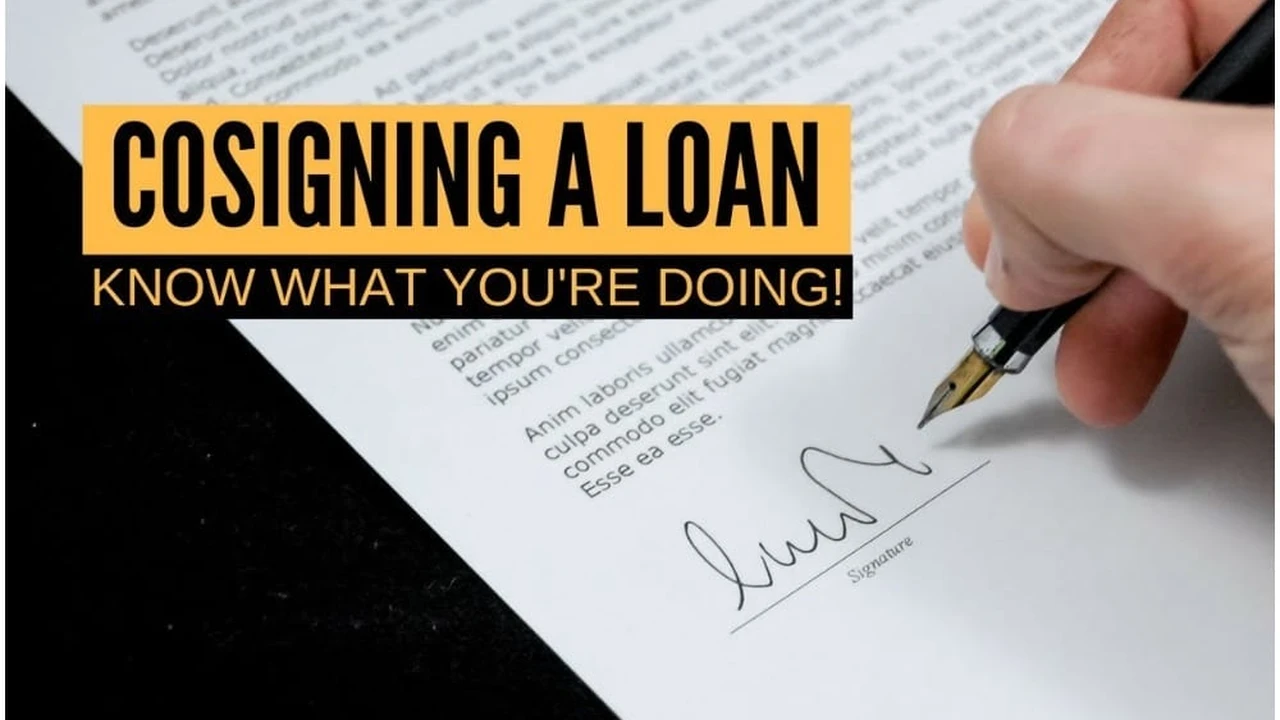
Hopefully, by now, you're convinced that understanding loan covenants isn't just for lawyers or finance professionals. It's for anyone who borrows money. The key takeaway here is the absolute necessity of due diligence. Before you sign on the dotted line for any loan – whether it's a personal loan, a mortgage, a car loan, or a business loan – you must read and understand every single clause, especially the covenants. Don't just skim through it. If you don't understand something, ask! Ask your lender, ask a financial advisor, ask a lawyer. It's far better to spend a little time and money upfront to understand the terms than to face severe financial repercussions down the road due to a covenant breach you didn't even know existed.
Remember, loan covenants are there to protect the lender, but they also define the boundaries of your financial freedom as a borrower. Knowing these boundaries allows you to operate within them, avoid costly mistakes, and maintain a healthy relationship with your lender. Be informed, be proactive, and protect your financial future.
:max_bytes(150000):strip_icc()/277019-baked-pork-chops-with-cream-of-mushroom-soup-DDMFS-beauty-4x3-BG-7505-5762b731cf30447d9cbbbbbf387beafa.jpg)