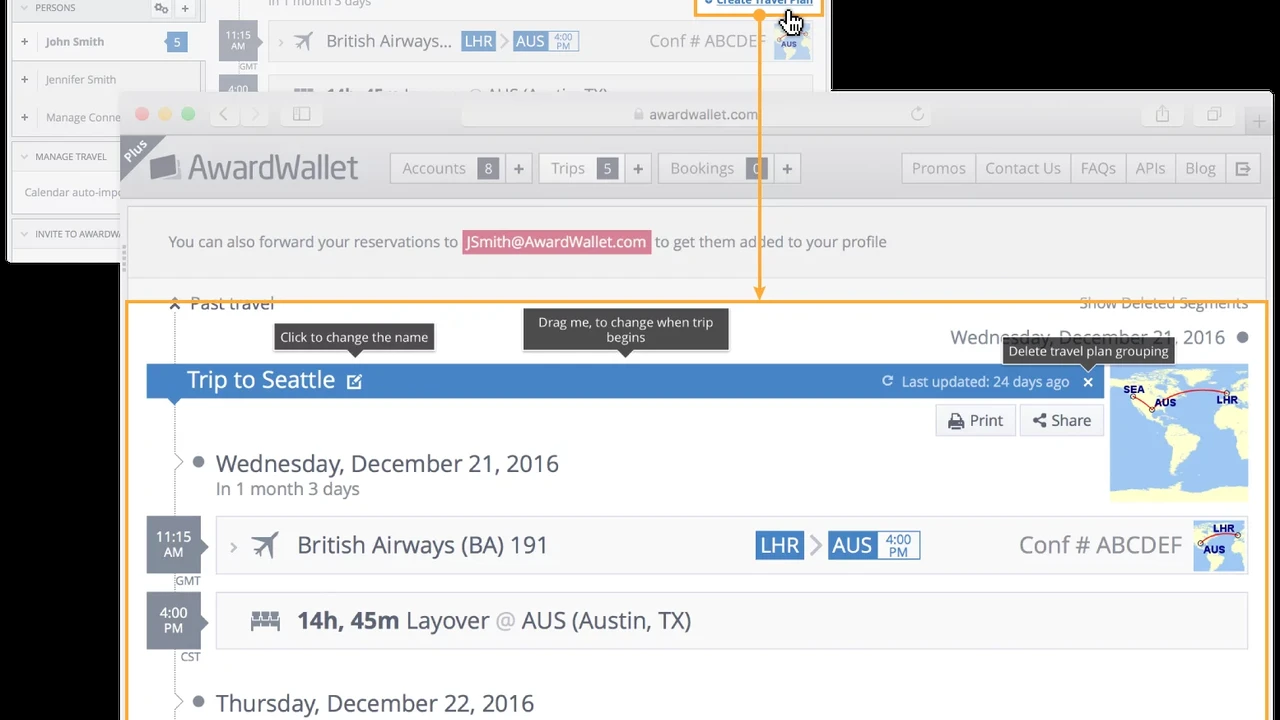
Learn the risks and responsibilities involved in co-signing a loan and how it affects your credit.
Learn the risks and responsibilities involved in co-signing a loan and how it affects your credit.
Co-signing a Loan Risks and Responsibilities
Understanding Co-signing What It Means for Your Finances
Co-signing a loan might seem like a simple act of kindness, a way to help a loved one secure financing they otherwise couldn't get. Perhaps it's your child needing their first car loan, a friend struggling with a personal loan, or a family member trying to get a mortgage. On the surface, it looks like you're just lending your good name. However, the reality is far more complex and carries significant financial risks and responsibilities that many people underestimate. When you co-sign a loan, you're not just a guarantor; you're essentially taking on the same legal and financial obligation as the primary borrower. This means that if the primary borrower defaults, you are 100% responsible for the entire debt, including any late fees, penalties, and even collection costs. This isn't a minor detail; it's a fundamental shift in your financial liability. Before you put your signature on that dotted line, it's crucial to fully grasp the implications for your credit score, your financial stability, and even your relationships.
The Legal Ramifications of Co-signing a Loan Your Binding Agreement
When you co-sign a loan, you enter into a legally binding agreement with the lender. This agreement typically states that you are equally responsible for the debt. This isn't a secondary responsibility; it's a primary one. The lender doesn't have to pursue the primary borrower first if they default. They can come directly to you for payment. This means if your friend or family member misses a payment, the lender can demand that you pay it. If they stop paying altogether, the lender can sue you, garnish your wages, or even seize your assets to recover the debt. It's not just about making payments; it's about the full legal weight of the loan falling on your shoulders if things go south. Many co-signers are surprised to learn that even if the primary borrower declares bankruptcy, you, as the co-signer, are still on the hook for the debt. Bankruptcy laws typically protect the person filing, but not their co-signers. This is a critical point often overlooked and can lead to devastating financial consequences for the co-signer.
Impact on Your Credit Score How Co-signing Affects Your Financial Health
One of the most immediate and significant impacts of co-signing a loan is on your credit score. When you co-sign, the loan appears on your credit report just as it does on the primary borrower's report. This means that every payment, or missed payment, will be reflected in your credit history. If the primary borrower makes timely payments, it can actually help your credit score by showing a positive payment history and a diverse credit mix. However, the downside risk is far greater. Even a single late payment by the primary borrower can negatively impact your credit score. Multiple late payments or a default can severely damage your credit, making it difficult for you to obtain new loans, credit cards, or even rent an apartment in the future. Lenders will see this co-signed loan as part of your existing debt, which can affect your debt-to-income ratio. This might limit your ability to qualify for other loans, such as a mortgage or a car loan, even if you have excellent credit otherwise. Your credit utilization ratio can also be affected, especially if the co-signed loan is a large one, as it adds to your total available credit being used.
The Hidden Risks of Co-signing Potential Financial Pitfalls
Beyond the direct financial responsibility and credit score impact, there are several hidden risks associated with co-signing. Firstly, there's the risk to your relationship with the primary borrower. If they default and you're left to pay, it can strain or even destroy your relationship. Money issues are a leading cause of conflict, and this situation is ripe for resentment and blame. Secondly, you might not have access to information about the loan. Lenders are often only obligated to inform the primary borrower about payment due dates or missed payments. You might not know there's a problem until it's too late and your credit score has already taken a hit. Thirdly, the primary borrower might not be as financially responsible as you hope. People often ask for co-signers because they have a poor credit history or insufficient income, which are red flags in themselves. You're essentially vouching for someone's financial behavior, and if that behavior is unreliable, you're putting yourself at significant risk. Lastly, if the primary borrower passes away or becomes incapacitated, you could be solely responsible for the entire remaining balance of the loan, adding financial burden during an already difficult time.
Alternatives to Co-signing Exploring Safer Options
If someone you care about needs financial assistance, co-signing isn't the only option, and often, it's not the best one. There are several alternatives that can help them without putting your own financial future at risk. One option is to help them build their credit. This could involve them getting a secured credit card, which requires a deposit but helps establish a credit history. Another approach is to help them create a budget and financial plan, guiding them towards better money management. You could also consider lending them money directly, but only if you are prepared to lose that money and have a clear, written agreement outlining repayment terms. This way, the impact is limited to the amount you lend, not the entire loan. For larger needs, they might explore credit builder loans, which are specifically designed to help individuals establish or rebuild credit. Some community organizations offer financial literacy programs that can equip individuals with the skills they need to manage their finances responsibly and qualify for loans on their own. Ultimately, empowering them to achieve financial independence is a more sustainable and less risky solution than co-signing.
When Co-signing Might Be Considered A Calculated Risk
While generally advised against, there might be very specific circumstances where co-signing could be considered, but only after extreme caution and thorough evaluation. This usually applies to situations where the primary borrower has a clear, temporary reason for needing a co-signer (e.g., a recent graduate with no credit history but a high-paying job offer) and a strong, proven track record of financial responsibility in other areas. Even then, you should only co-sign if you are financially capable of paying off the entire loan yourself without it causing significant hardship. This means having a robust emergency fund, stable income, and minimal existing debt. You should also have a clear, written agreement with the primary borrower outlining their repayment plan, what happens if they miss payments, and how you will be kept informed. Consider asking for collateral if appropriate, or for them to obtain life insurance that would cover the loan in case of their death. It's also wise to set up direct access to the loan's payment information so you can monitor it yourself, rather than relying solely on the primary borrower. Even with all these precautions, the risk remains substantial, and it's a decision that should never be taken lightly.
Specific Loan Types and Co-signing Implications
Let's break down how co-signing impacts different types of loans, as the nuances can vary.
Co-signing a Car Loan Your Vehicle Responsibility
Co-signing a car loan is a common scenario, especially for young adults. When you co-sign, you are not just responsible for the payments; in many cases, you are also listed as an owner on the vehicle's title. This means if the primary borrower defaults, the lender can repossess the car, and you will still be liable for any deficiency balance after the sale of the vehicle. Furthermore, if the primary borrower gets into an accident and doesn't have adequate insurance, you could potentially be held liable for damages. Your credit score will be directly affected by every payment, and the loan will appear on your credit report, impacting your debt-to-income ratio for future borrowing. For example, if your child needs a car loan and you co-sign for a $25,000 vehicle, that $25,000 debt is now effectively yours in the eyes of lenders, even if you never drive the car.
Co-signing a Mortgage The Long-Term Commitment
Co-signing a mortgage is perhaps the most significant financial commitment you can make as a co-signer. Mortgages are large, long-term debts, often spanning 15 to 30 years. When you co-sign a mortgage, you are essentially becoming a co-owner of the property, even if your name isn't on the deed. This means you are fully responsible for the entire mortgage payment if the primary borrower defaults. This debt will significantly impact your debt-to-income ratio, making it very difficult for you to qualify for your own mortgage or other substantial loans in the future. If the primary borrower misses payments, your credit score will suffer severely, and you could face foreclosure proceedings. Imagine co-signing a $300,000 mortgage for a family member. If they lose their job and can't pay, you are legally obligated to cover those $2,000+ monthly payments for decades. This is a risk that can truly jeopardize your retirement or other long-term financial goals.
Co-signing a Student Loan A Debt That Follows
Student loans are another common area for co-signing, particularly for private student loans which often require a co-signer if the student has limited credit history. Unlike federal student loans, private student loans typically offer fewer protections and less flexibility for repayment. When you co-sign a student loan, you are responsible for the entire balance, which can be tens or even hundreds of thousands of dollars. This debt cannot be discharged in bankruptcy easily, meaning it will follow you for a very long time. If the student struggles to find employment after graduation or faces financial hardship, you will be expected to make the payments. This can be a significant burden, especially if you are nearing retirement or have your own financial obligations. For instance, if you co-sign a $50,000 private student loan for your niece, and she struggles to find a job, you're on the hook for those monthly payments, potentially for 10-20 years.
Co-signing a Personal Loan or Credit Card Immediate Exposure
Co-signing a personal loan or a credit card can also carry substantial risks, often with less tangible collateral than a car or house. Personal loans are typically unsecured, meaning there's no asset for the lender to seize if the borrower defaults. This makes the co-signer's responsibility even more critical. If you co-sign a $10,000 personal loan for a friend, and they disappear, you are immediately responsible for that $10,000 plus interest and fees. Similarly, co-signing a credit card means you are responsible for all charges made on that card, even if you never use it. The primary cardholder can rack up a large balance, and you will be legally obligated to pay it back. These types of loans offer very little protection for the co-signer and can quickly lead to financial distress.
Practical Steps Before Co-signing Due Diligence is Key
If, after understanding all the risks, you still decide to co-sign, it's imperative to take several practical steps to protect yourself as much as possible. Firstly, have an open and honest conversation with the primary borrower. Discuss their financial situation, their repayment plan, and what their contingency plan is if they face financial difficulties. Get everything in writing, even if it's with a family member. This written agreement should detail who is responsible for payments, how often you'll be updated, and what happens if payments are missed. Secondly, obtain a copy of the loan agreement and read every single word. Understand the terms, interest rates, fees, and what constitutes a default. Don't just skim it. Thirdly, ask the lender if they offer a co-signer release option. Some loans, particularly student loans, might allow for the co-signer to be released after a certain number of on-time payments. This is a crucial clause to look for. Fourthly, monitor the loan payments yourself. Don't rely on the primary borrower to tell you if they've made a payment. Set up online access to the loan account or ask for monthly statements to be sent to you. This allows you to catch any missed payments early and intervene before significant damage is done to your credit. Lastly, consider if there are any assets the primary borrower could offer as collateral to you, in a separate agreement, to mitigate your risk. This is a serious decision, and you need to be as informed and protected as possible.
What to Do If the Primary Borrower Defaults Your Action Plan
If the unfortunate situation arises where the primary borrower defaults on the co-signed loan, you need to act quickly and strategically to minimize the damage. Your first step should be to contact the primary borrower immediately to understand the situation and try to work out a solution. They might be facing temporary hardship and be willing to resume payments. If they are unresponsive or unable to pay, contact the lender. Explain your situation and explore options. Some lenders might be willing to work with you on a temporary payment plan or deferment, especially if you have a good credit history yourself. However, be prepared that they might demand full payment from you. If you can afford to, making the payments yourself is often the best way to protect your credit score. Even if it's a struggle, preventing further late payments or a full default is crucial. If you cannot afford the payments, you might need to explore debt management options for yourself, or even consider legal advice. In some cases, you might be able to sue the primary borrower to recover the money you've paid, but this can be a lengthy and costly process, and success is not guaranteed. Remember, the goal is to protect your financial health as much as possible, even in a difficult situation.
Co-signing and Your Future Financial Goals
Co-signing a loan can have long-lasting implications for your own financial goals. If you're planning to buy a house, retire, or start a business, having a co-signed loan on your credit report can significantly impact your ability to achieve these goals. The added debt burden, even if you're not making the payments, can reduce your borrowing capacity. Lenders will factor in the co-signed debt when assessing your eligibility for new loans, potentially leading to higher interest rates or even outright denial. For example, if you're trying to get a mortgage, and you've co-signed a large student loan, the mortgage lender will consider that student loan as part of your overall debt, even if your child is making the payments. This could mean you qualify for a smaller mortgage or a less favorable interest rate. It's essential to weigh the potential impact on your own financial aspirations against the desire to help a loved one. Sometimes, saying no to co-signing is the most responsible decision for your own financial well-being and, in the long run, can even be a better example for the person asking for help, encouraging them to find their own path to financial independence.
Product Recommendations and Scenarios for Co-signing Alternatives
Instead of co-signing, let's look at some specific products and scenarios that can help the primary borrower build credit or secure financing on their own, without putting your finances at risk.
Secured Credit Cards Building Credit Safely
Secured credit cards are an excellent tool for individuals with no credit history or poor credit to build or rebuild their credit responsibly. They work by requiring a cash deposit, which typically becomes your credit limit. This deposit acts as collateral, reducing the risk for the lender. Because it's a credit card, it reports to credit bureaus, helping the user establish a positive payment history. After a period of responsible use (usually 6-12 months), many secured cards can graduate to an unsecured card, and the deposit is returned. This is a much safer alternative than co-signing a traditional credit card.
* Product Example 1: Discover it Secured Credit Card
* Use Case: Ideal for those with no credit or bad credit looking to build a positive credit history. It offers cash back rewards, which is rare for secured cards.
* Comparison: Unlike many secured cards, it offers rewards and a path to an unsecured card with good behavior. No annual fee.
* Price/Deposit: Minimum deposit of $200, which becomes your credit limit. Can deposit up to $2,500.
* Product Example 2: Capital One Platinum Secured Credit Card
* Use Case: Good for individuals with very limited or damaged credit. Offers flexible deposit options.
* Comparison: Known for its accessibility and potential for a lower initial deposit for some applicants. No annual fee.
* Price/Deposit: Deposit of $49, $99, or $200 for a $200 credit line, depending on creditworthiness.
Credit Builder Loans A Structured Approach to Credit Building
Credit builder loans are specifically designed to help individuals establish or improve their credit score. Instead of receiving the loan amount upfront, the money is held in a savings account or CD while you make monthly payments. Once the loan is fully repaid, you receive the money, and the lender reports your on-time payments to the credit bureaus. This demonstrates responsible borrowing behavior without the risk of defaulting on a large sum of money you've already received.
* Product Example 1: Self Lender Credit Builder Account
* Use Case: Excellent for building credit and saving money simultaneously. Offers various loan amounts and terms.
* Comparison: Combines a credit builder loan with a secured savings account. Reports to all three major credit bureaus.
* Price/Deposit: Loan amounts typically range from $500 to $2,000, with monthly payments from $25 to $150 over 12-24 months. Interest rates apply, but you get the principal back.
* Product Example 2: Credit Strong Credit Builder Account
* Use Case: Similar to Self Lender, offering different loan sizes and terms to fit various budgets and credit-building goals.
* Comparison: Offers larger loan amounts than some competitors, potentially leading to a higher credit limit reported.
* Price/Deposit: Loan amounts from $1,000 to $10,000, with monthly payments from $15 to $110 over 12-120 months. Interest rates apply.
Small Personal Loans for Specific Needs Building Trust
If the need is for a smaller, specific amount, and you are financially comfortable with the risk, you could consider lending the money directly to the individual. This keeps the debt between you and them, without involving a third-party lender or impacting your credit score. However, it's crucial to treat this like a formal loan, with a written agreement, repayment schedule, and clear expectations. Only lend what you can afford to lose, as personal loans between friends and family can strain relationships if not handled carefully.
* Scenario: Your friend needs $1,000 for a car repair to get to work, and you have the funds readily available.
* Recommendation: Draft a simple loan agreement outlining the amount, interest (if any), repayment schedule, and consequences of missed payments. This protects both parties and sets clear expectations. This is a direct loan from you, not a co-signed loan from a bank.
Financial Literacy and Budgeting Tools Empowering Independence
Sometimes, the best help isn't a loan or a co-signature, but education and tools to manage money better. Guiding someone to create a budget, track their spending, and understand their financial habits can be far more empowering in the long run.
* Product Example 1: Mint (Budgeting App)
* Use Case: Helps individuals track spending, create budgets, and monitor their financial accounts in one place.
* Comparison: Free to use, widely popular, and integrates with most financial institutions. Provides a comprehensive overview of finances.
* Price: Free.
* Product Example 2: YNAB (You Need A Budget)
* Use Case: A more robust budgeting tool based on the 'zero-based budgeting' philosophy, where every dollar is assigned a job.
* Comparison: Offers more detailed control and a proactive approach to budgeting compared to reactive tracking apps. Has a steeper learning curve but can be very effective.
* Price: Subscription-based, typically around $14.99/month or $98.99/year, with a free trial.
By exploring these alternatives, you can provide meaningful support to your loved ones without jeopardizing your own financial stability. It's about finding solutions that empower them to build their own financial future, rather than temporarily propping them up with your credit.
:max_bytes(150000):strip_icc()/277019-baked-pork-chops-with-cream-of-mushroom-soup-DDMFS-beauty-4x3-BG-7505-5762b731cf30447d9cbbbbbf387beafa.jpg)