Financial Planning for Young Adults Essential Guide
A comprehensive guide to financial planning for young adults covering budgeting, saving, and investing.
A comprehensive guide to financial planning for young adults covering budgeting, saving, and investing.
Financial Planning for Young Adults Essential Guide
Hey there, young adult! Stepping into the world of financial independence can feel like a mix of excitement and a whole lot of 'what now?' You're probably juggling college, your first job, maybe even thinking about moving out or buying your first car. It's a lot, and money often sits right at the center of it all. But here's the good news: getting your finances in order now is one of the smartest moves you can make. This isn't about becoming a millionaire overnight; it's about building a solid foundation that will support your dreams, big or small, for years to come. Think of this as your friendly, no-jargon guide to mastering your money game.
We're going to break down the essentials: how to manage your daily cash flow, stash away some savings, and even dip your toes into the world of investing. We'll also look at some cool tools and products that can make this journey a whole lot easier. Ready to take control? Let's dive in!
Budgeting Basics Your Money Map for Young Adults
Budgeting might sound like a chore, but it's actually your personal money map. It shows you where your money comes from and, more importantly, where it goes. For young adults, this is crucial because it helps you understand your spending habits and identify areas where you can save. Forget complicated spreadsheets; we're talking about simple, effective methods.
The 50/30/20 Rule Simplified Budgeting for Young Adults
This is a fantastic starting point for anyone, especially if you're new to budgeting. It breaks down your after-tax income into three main categories:
- 50% for Needs: These are your essential expenses. Think rent/housing, utilities, groceries, transportation, minimum loan payments (student loans, car loans), and insurance. These are the things you absolutely can't live without.
- 30% for Wants: This is where the fun comes in! Dining out, entertainment, subscriptions (Netflix, Spotify), new clothes, hobbies, vacations, and anything else that improves your quality of life but isn't strictly necessary.
- 20% for Savings & Debt Repayment: This portion is dedicated to building your financial future. This includes contributions to your emergency fund, retirement accounts (like a 401(k) or Roth IRA), and any extra payments towards high-interest debt beyond the minimums.
Let's say you bring home $3,000 after taxes each month. That means $1,500 for needs, $900 for wants, and $600 for savings and debt. It's a flexible guideline, not a rigid rule, so adjust it to fit your unique situation.
Budgeting Apps and Tools Making Money Management Easy
Gone are the days of pen and paper (unless you prefer it!). There are tons of apps designed to make budgeting simple and even enjoyable. Here are a few top picks:
Mint Free Budgeting and Bill Tracking
What it is: Mint is a popular free budgeting app that connects to your bank accounts, credit cards, loans, and investments. It automatically categorizes your transactions, tracks your spending, and helps you create budgets. You can set financial goals, receive bill reminders, and get personalized insights into your spending habits.
Why it's great for young adults: It's free, user-friendly, and provides a comprehensive overview of your financial life in one place. The automatic categorization saves a lot of time, and the goal-setting feature is motivating.
Typical User: Someone looking for a free, all-in-one financial tracker with automated features.
Price: Free.
You Need A Budget YNAB The Budgeting Powerhouse
What it is: YNAB (You Need A Budget) operates on a 'zero-based budgeting' philosophy, meaning every dollar you earn is assigned a job. It's more hands-on than Mint but incredibly effective for gaining granular control over your money. It focuses on giving you a clear picture of how much money you have available to spend in each category.
Why it's great for young adults: If you're serious about changing your financial habits and want to be proactive with your money, YNAB is fantastic. It teaches you to be intentional with every dollar.
Typical User: Individuals who want to be very hands-on with their budgeting and follow a zero-based approach.
Price: Around $14.99/month or $99/year (they often offer a free trial).
PocketGuard Smart Spending Tracker
What it is: PocketGuard is designed to help you track your spending and see 'how much you can safely spend' at any given moment. It links to your accounts, categorizes transactions, and helps you identify areas where you can save money on bills and subscriptions.
Why it's great for young adults: It's simple, intuitive, and focuses on giving you a clear, real-time picture of your disposable income. Great for those who want to avoid overspending.
Typical User: Someone looking for a straightforward app to track spending and see their 'spendable' money.
Price: Free for basic features, PocketGuard Plus is around $7.99/month or $79.99/year.
Saving Strategies Building Your Financial Safety Net and Future
Once you have a handle on your budget, the next step is saving. This isn't just about putting money aside; it's about setting yourself up for success, whether that's for an emergency, a down payment, or retirement.
Emergency Fund Your Financial Shield for Young Adults
This is non-negotiable. An emergency fund is a stash of money specifically for unexpected expenses like a car repair, medical bill, or job loss. Aim for at least 3-6 months' worth of essential living expenses. Start small, even $500-$1,000, and build from there. Keep this money in a separate, easily accessible savings account, ideally a high-yield savings account.
High-Yield Savings Accounts Maximizing Your Savings
Don't just let your money sit in a regular checking account earning next to nothing. High-yield savings accounts (HYSAs) offer significantly higher interest rates, helping your money grow faster. They are typically offered by online banks.
Comparison of Popular HYSAs (Rates are variable and subject to change):
- Ally Bank Online Savings Account: Known for competitive rates, no monthly fees, and excellent customer service. Easy to set up and manage online.
- Marcus by Goldman Sachs Online Savings Account: Offers strong rates, no fees, and a user-friendly interface. Backed by a reputable financial institution.
- Discover Bank Online Savings Account: Another solid choice with competitive rates, no monthly fees, and 24/7 customer service.
Typical APY (Annual Percentage Yield): Varies, but often 4-5% or more, significantly higher than traditional banks.
Why they're great for young adults: Your emergency fund and other short-term savings can grow faster without any extra effort from you. Plus, they're usually FDIC-insured, meaning your money is safe.
Automate Your Savings Set It and Forget It
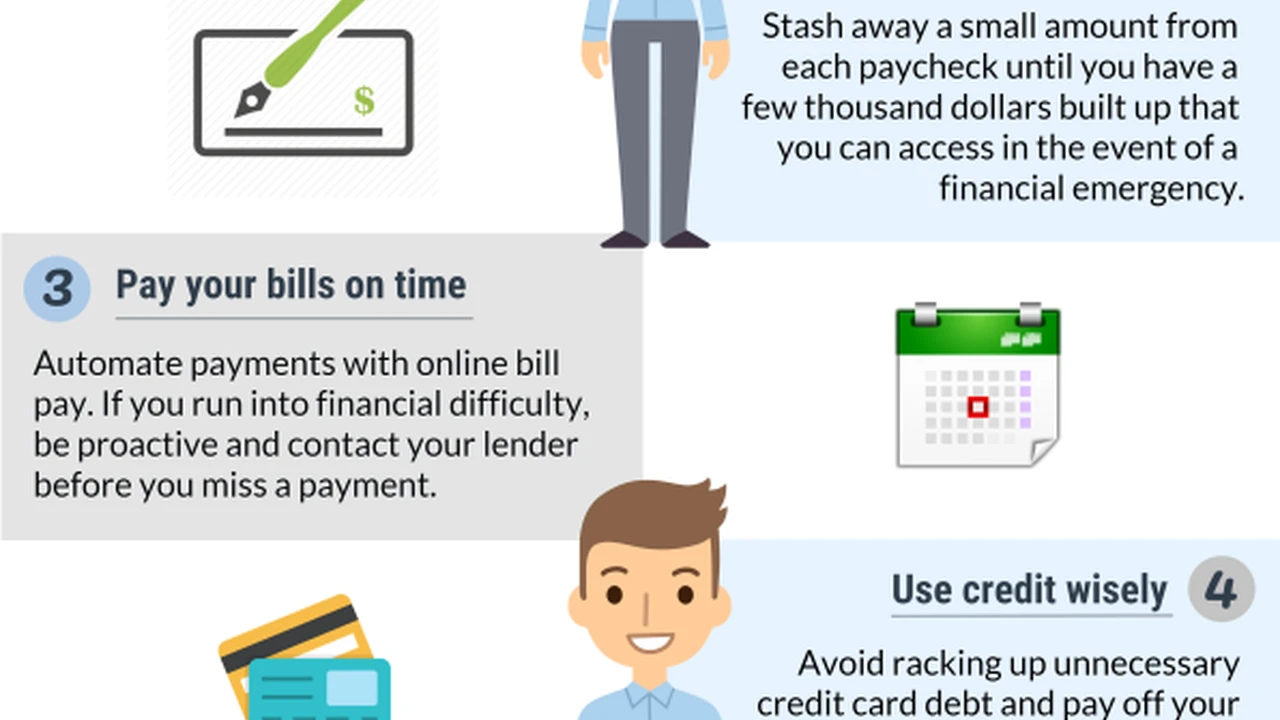
The easiest way to save is to make it automatic. Set up an automatic transfer from your checking account to your savings account every payday. Even if it's just $25 or $50 to start, it adds up quickly. You won't miss money you never saw.
Investing for the Future Starting Early as a Young Adult
Investing might sound intimidating, but it's how you make your money work for you. The earlier you start, the more time your money has to grow thanks to the magic of compound interest. You don't need a lot of money to begin.
Retirement Accounts Your Future Self Will Thank You
Even if retirement feels light-years away, starting now is incredibly powerful.
- 401(k) through your employer: If your employer offers a 401(k) and a matching contribution, contribute at least enough to get the full match. This is essentially free money! Your contributions are pre-tax, reducing your taxable income now.
- Roth IRA: This is a fantastic option for young adults. You contribute after-tax money, and then all qualified withdrawals in retirement are tax-free. Given that your income might be lower now, paying taxes on contributions today could be more advantageous than paying taxes on withdrawals when you're in a higher tax bracket later.
Robo-Advisors Easy Investing for Beginners
Don't know where to start with investing? Robo-advisors are perfect for beginners. They use algorithms to manage your investments based on your financial goals and risk tolerance. They're low-cost and require minimal effort.
Betterment Automated Investing for Young Adults
What it is: Betterment is a leading robo-advisor that builds and manages a diversified portfolio of ETFs (Exchange Traded Funds) for you. You answer a few questions about your goals and risk tolerance, and Betterment does the rest. It also offers tax-loss harvesting and automatic rebalancing.
Why it's great for young adults: Low minimums to start, automated investing, and diversified portfolios mean you don't need to be an expert. It's a hands-off approach to smart investing.
Typical User: Beginners or those who prefer a hands-off approach to investing with diversified portfolios.
Price: 0.25% annual advisory fee for the Digital plan (no minimum balance), 0.40% for the Premium plan (minimum $100,000 balance).
Wealthfront Goal-Based Investing
What it is: Similar to Betterment, Wealthfront is another popular robo-advisor that offers automated investment management. It focuses on goal-based planning, helping you save for specific milestones like a down payment or retirement. It also offers tax-loss harvesting and a high-yield cash account.
Why it's great for young adults: Its focus on goal-based planning can be very motivating. The first $5,000 managed for free is a nice perk for those just starting out.
Typical User: Individuals looking for automated investing with a strong emphasis on goal planning and tax efficiency.
Price: 0.25% annual advisory fee (first $5,000 managed for free).
Fidelity Go Simple and Affordable Investing
What it is: Fidelity Go is Fidelity's robo-advisor service. It offers professionally managed portfolios with a low minimum investment. It's a good option if you already have other accounts with Fidelity or prefer a traditional brokerage firm's robo-advisor.
Why it's great for young adults: Low minimum to start ($0 to open, $0 advisory fee for balances under $25,000), making it very accessible. It's a trusted name in finance.
Typical User: Those who want a simple, low-cost robo-advisor, especially if they already use Fidelity for other financial services.
Price: $0 advisory fee for balances under $25,000; 0.35% annual advisory fee for balances $25,000 and over.
Brokerage Accounts for Self-Directed Investing
If you want more control and are interested in picking individual stocks or ETFs yourself, a traditional brokerage account is the way to go. Many offer commission-free trading.
Fidelity Investments Broad Investment Options
What it is: Fidelity is a full-service brokerage firm offering a wide range of investment products, from stocks and bonds to mutual funds and ETFs. They have excellent research tools and customer support.
Why it's great for young adults: Commission-free stock and ETF trading, no account minimums, and a wealth of educational resources make it a solid choice for those who want to learn and grow as investors.
Typical User: Investors who want a wide range of investment options, research tools, and potentially self-direct their investments.
Price: $0 commission for online stock, ETF, and options trades. Other fees may apply for mutual funds or specific services.
Charles Schwab Comprehensive Investment Platform
What it is: Charles Schwab is another top-tier brokerage firm offering a comprehensive suite of investment products and services. They are known for their strong customer service and extensive research.
Why it's great for young adults: Similar to Fidelity, Schwab offers commission-free trading and a user-friendly platform. They also have a strong focus on investor education.
Typical User: Similar to Fidelity, investors seeking a robust platform with diverse investment choices and strong support.
Price: $0 commission for online stock, ETF, and options trades. Other fees may apply.
Vanguard Low-Cost Index Funds and ETFs
What it is: Vanguard is famous for its low-cost index funds and ETFs, which are ideal for long-term, passive investing. They are structured to put investors' interests first.
Why it's great for young adults: If you believe in the power of broad market index investing (which is a smart strategy for most people), Vanguard offers some of the lowest expense ratios in the industry, meaning more of your money stays invested.
Typical User: Long-term investors who prioritize low costs and passive index investing.
Price: $0 commission for online stock and ETF trades. Very low expense ratios on their own funds.
Managing Debt Smartly Navigating Loans and Credit for Young Adults
Debt is a reality for many young adults, especially student loans. The key is to manage it smartly and avoid unnecessary high-interest debt.
Student Loans Strategies for Repayment
Understand your student loan terms. Know your interest rates, repayment options (income-driven repayment plans, deferment, forbearance), and whether refinancing is a good option for you. Prioritize paying down high-interest private loans first.
Credit Cards Building Good Credit Habits
A credit card can be a powerful tool for building a good credit score, which is essential for future loans (car, mortgage) and even some job applications. But it's a double-edged sword.
- Use it responsibly: Only charge what you can afford to pay off in full every month.
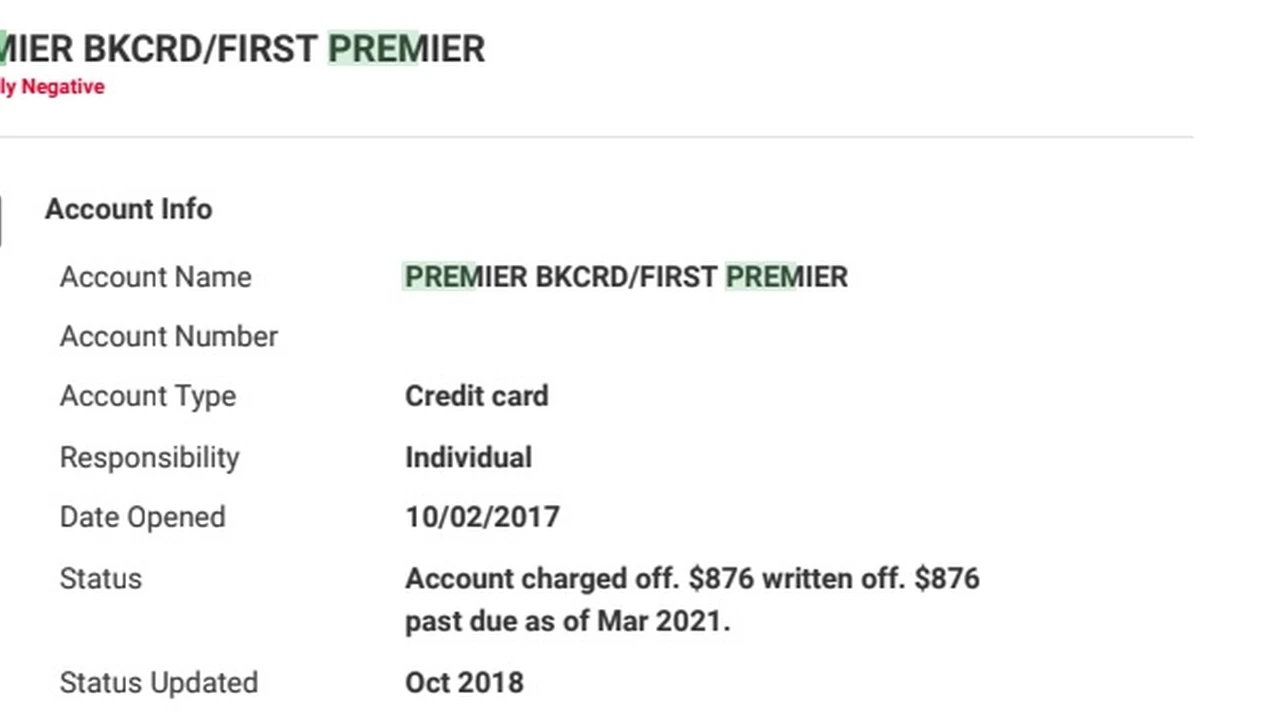
- Pay on time: Late payments severely damage your credit score.
- Keep utilization low: Try to keep your credit utilization (the amount of credit you use compared to your total available credit) below 30%.
Best Credit Cards for Young Adults and Students
When you're just starting out, look for cards designed for students or those with limited credit history. Secured credit cards are also an excellent option.
Discover it Student Cash Back Building Credit with Rewards
What it is: A popular student credit card offering 5% cash back on rotating categories (up to a quarterly maximum) and 1% on all other purchases. Discover matches all the cash back you've earned at the end of your first year.
Why it's great for young adults: No annual fee, good rewards, and designed for students with limited credit history. It helps you build credit while earning cash back.
Typical User: College students looking to build credit and earn rewards.
Annual Fee: $0
Capital One Platinum Secured Credit Card A Stepping Stone to Good Credit
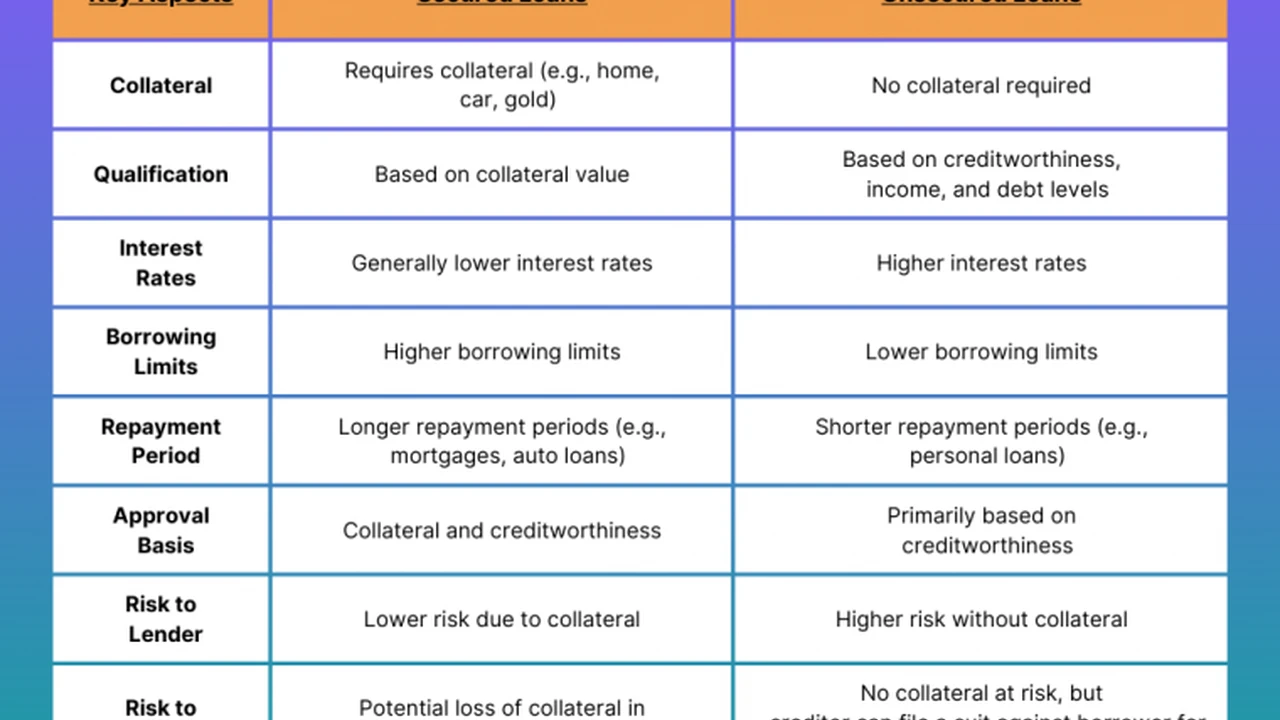
What it is: A secured credit card requires a security deposit, which typically becomes your credit limit. This card is designed for those with no credit or bad credit to help them establish a positive payment history.
Why it's great for young adults: It's easier to get approved for than an unsecured card and reports to all three major credit bureaus, helping you build credit. Capital One may even offer a path to an unsecured card after responsible use.
Typical User: Individuals with no credit history or poor credit looking to rebuild.
Annual Fee: $0
Security Deposit: $49, $99, or $200 (depending on creditworthiness) for a $200 credit line.
Chase Freedom Rise Building Credit with a Major Issuer
What it is: A new card from Chase designed for those with limited or no credit history. It offers 1.5% cash back on all purchases and has no annual fee. You can get approved with a small deposit into a Chase checking or savings account.
Why it's great for young adults: It's a great entry-level card from a major issuer, offering decent rewards and a clear path to building credit. Having a Chase banking relationship can help with approval.
Typical User: Young adults with limited credit history, especially those who bank with Chase.
Annual Fee: $0
Protecting Your Financial Health Essential Safeguards for Young Adults
Financial planning isn't just about growing your money; it's also about protecting it.
Identity Theft Protection Safeguarding Your Information
As young adults, you're often targeted by identity thieves. Be vigilant about your personal information. Consider freezing your credit with the three major credit bureaus (Equifax, Experian, TransUnion) to prevent new accounts from being opened in your name without your permission. It's free and easy to do.
Insurance Basics What You Need to Know
Insurance might seem like an extra expense, but it's a crucial safety net. As a young adult, you'll likely need:
- Health Insurance: Essential for covering medical costs. You might be on your parents' plan until age 26, or you'll need to get your own through an employer or the marketplace.
- Auto Insurance: A legal requirement in most places if you own a car.
- Renters Insurance: Protects your belongings from theft or damage (fire, water) if you rent an apartment. It's usually very affordable.
Financial Education Continuous Learning for Young Adults
The world of finance is always evolving, and so should your knowledge. Make it a habit to learn more about personal finance. Read reputable financial blogs, listen to podcasts, or even take an online course. The more you know, the more confident and capable you'll become in managing your money.
Remember, financial planning is a journey, not a destination. There will be ups and downs, but by establishing good habits now – budgeting, saving, investing, and managing debt wisely – you're setting yourself up for a lifetime of financial freedom and peace of mind. You've got this!
:max_bytes(150000):strip_icc()/277019-baked-pork-chops-with-cream-of-mushroom-soup-DDMFS-beauty-4x3-BG-7505-5762b731cf30447d9cbbbbbf387beafa.jpg)