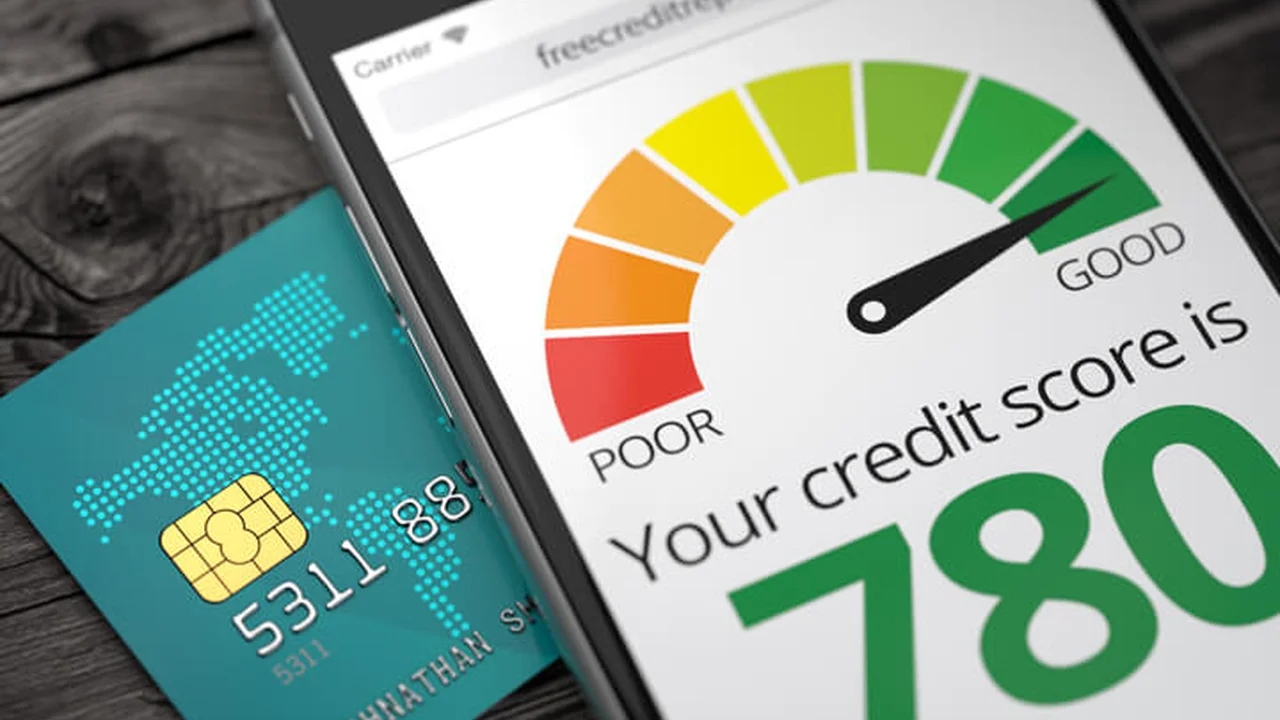
The Role of Credit Mix in Your Credit Score
Understand how having a diverse mix of credit accounts can positively influence your overall credit score.
Understand how having a diverse mix of credit accounts can positively influence your overall credit score. Ever wondered why some people with seemingly good payment habits still struggle with their credit scores? Or why lenders sometimes seem hesitant even when you've paid everything on time? One often-overlooked piece of the puzzle is your credit mix. It's not just about having credit; it's about having the right kind of credit. Let's dive deep into what credit mix means, why it matters, and how you can optimize yours for a healthier financial profile.
The Role of Credit Mix in Your Credit Score
Your credit score is a complex beast, influenced by several factors. While payment history and credit utilization often steal the spotlight, the 'credit mix' component plays a significant, albeit sometimes subtle, role. It essentially refers to the different types of credit accounts you have open and actively manage. Think of it like a financial portfolio – diversification is key.
Understanding Credit Mix What is it and Why Does it Matter for Your FICO and VantageScore?
Credit mix, typically accounting for about 10% of your FICO score and a similar percentage for VantageScore, assesses whether you have a healthy blend of revolving credit and installment credit. Lenders want to see that you can responsibly manage various types of debt. It demonstrates your financial maturity and adaptability.
Revolving Credit Explained Credit Cards and Lines of Credit
Revolving credit is what most people think of when they hear 'credit.' This includes credit cards, personal lines of credit, and home equity lines of credit (HELOCs). With revolving credit, you're given a credit limit, and you can borrow up to that limit, pay it back, and then borrow again. The key characteristic is that the amount you owe can fluctuate, and you're only required to make a minimum payment each month. Managing revolving credit responsibly means keeping your balances low relative to your credit limits (your credit utilization ratio) and paying on time.
Installment Credit Demystified Loans and Fixed Payments
Installment credit, on the other hand, involves a fixed loan amount that you borrow and then repay in regular, fixed payments over a set period. Once you pay off an installment loan, the account is closed. Common examples include mortgages, auto loans, student loans, and personal loans. The goal here is to make consistent, on-time payments until the loan is fully satisfied. Lenders look at your ability to commit to and fulfill these long-term financial obligations.
The Importance of a Diverse Credit Portfolio How Different Credit Types Impact Your Score
Why do credit bureaus care if you have both types? Because it shows versatility. Someone who can only manage a credit card might struggle with the long-term commitment of a mortgage. Conversely, someone who only has a mortgage might not be adept at managing the fluctuating balances of a credit card. A diverse mix signals to lenders that you're a well-rounded borrower, capable of handling different financial responsibilities. It reduces their perceived risk when lending to you.
Building a Strong Credit Mix Strategies for New and Established Borrowers
For those new to credit, starting with a secured credit card or a credit builder loan is often recommended. These are excellent ways to establish both revolving and installment credit, respectively, without needing a perfect credit history. As your credit profile matures, you might naturally acquire other types of credit, such as an auto loan or a mortgage. The key is not to open accounts just for the sake of diversity, but to do so strategically and responsibly.
When to Consider Adding New Credit Types Smart Financial Moves
You shouldn't rush into opening new accounts just to diversify. Only take on new credit when you genuinely need it and can comfortably afford the payments. For instance, if you're planning to buy a car, an auto loan will naturally add an installment account to your mix. If you're looking to make a large purchase and want to avoid high-interest credit card debt, a personal loan could serve a dual purpose: fulfilling your need and diversifying your credit. Always assess your financial capacity before taking on new debt.
Credit Mix and Your Credit Score How FICO and VantageScore Calculate It
While both FICO and VantageScore consider credit mix, their exact methodologies differ slightly. Generally, having a mix of both revolving and installment accounts is viewed favorably. It demonstrates that you can handle different types of credit responsibly. However, simply having many accounts isn't the goal; it's about managing them well. A poor payment history on a diverse set of accounts will still hurt your score more than a good payment history on a less diverse set.
The Impact of Too Many Accounts Avoiding Credit Overload
While diversity is good, too many accounts, especially too many new accounts opened in a short period, can be detrimental. Each new credit application results in a hard inquiry on your credit report, which can temporarily ding your score. Furthermore, having too much available credit, even if unused, can sometimes be viewed as a risk by lenders, as it represents potential future debt. Balance is key.
The Dangers of Unnecessary Credit Applications Protecting Your Credit Score
Resist the urge to apply for every credit card offer you receive or every store credit card just for a discount. Each application can lead to a hard inquiry, and if you're denied, it still shows up on your report. Only apply for credit when you have a clear need and a high likelihood of approval.
Practical Steps to Improve Your Credit Mix Actionable Advice for Better Credit
So, how can you actively improve your credit mix? Here are some actionable steps:
- Start with a Secured Credit Card: If you have limited credit history, this is a great way to establish revolving credit. You put down a deposit, which becomes your credit limit, and use it like a regular credit card.
- Consider a Credit Builder Loan: These are specifically designed to help you establish installment credit. You make payments into a savings account, and once the loan is paid off, you receive the money.
- Explore Personal Loans: If you need to consolidate debt or make a significant purchase, a personal loan can add an installment account to your mix.
- Auto Loans or Mortgages: These are significant installment loans that naturally diversify your credit. However, only take them on when you're ready for such a large financial commitment.
- Maintain Existing Accounts: Don't close old, well-managed accounts, especially credit cards. The length of your credit history is another important factor, and closing old accounts can shorten your average account age.
Recommended Products for Building a Diverse Credit Mix Specific Examples and Use Cases
Let's look at some specific products that can help you build a robust credit mix, along with their typical use cases and approximate costs. Remember, these are general recommendations, and you should always research current offers and terms.
Secured Credit Cards Top Picks for Establishing Revolving Credit
Secured credit cards are fantastic for those with no credit or bad credit. You deposit money, which acts as your credit limit, and the card issuer reports your payment activity to credit bureaus. This helps build your revolving credit history.
- Discover it Secured Credit Card:
- Use Case: Excellent for first-time credit card users or those rebuilding credit. It offers cash back rewards, which is rare for secured cards, and Discover will review your account after 7 months to see if you qualify for an unsecured card and get your deposit back.
- Features: 2% cash back at gas stations and restaurants (on up to $1,000 in combined purchases each quarter), 1% cash back on all other purchases. No annual fee.
- Deposit Range: Typically $200 - $2,500.
- Approximate APR: Around 25-27% variable.
- Why it's good: Rewards, potential to graduate to unsecured, and strong credit reporting.
- Capital One Platinum Secured Credit Card:
- Use Case: Another solid option for building credit. Capital One is known for being accessible to a wide range of credit profiles.
- Features: No annual fee. Offers a path to a higher credit line after 6 months of on-time payments.
- Deposit Range: Can be as low as $49, $99, or $200 for a $200 credit line, depending on your creditworthiness.
- Approximate APR: Around 29-30% variable.
- Why it's good: Lower minimum deposit options, no annual fee, and credit line increase potential.
Credit Builder Loans Best for Establishing Installment Credit
Credit builder loans are designed to help you establish installment credit. You borrow a small amount, which is held in a locked savings account, and you make monthly payments. Once the loan is paid off, you get access to the money. This demonstrates your ability to handle fixed payments over time.
- Self Credit Builder Account:
- Use Case: Ideal for those with no credit history or poor credit looking to add an installment loan to their mix.
- Features: Offers various loan amounts and terms (e.g., $520 loan paid over 12 months, $1,000 loan paid over 24 months). Reports to all three major credit bureaus.
- Monthly Payments: Range from about $25 to $150, depending on the loan amount and term.
- Fees: An administrative fee (e.g., $9-$15) and interest (APR typically 15-16%).
- Why it's good: Specifically designed for credit building, easy application, and clear payment structure.
- Credit Strong Credit Builder Account:
- Use Case: Similar to Self, offering different loan sizes and terms to fit various budgets and credit building goals.
- Features: Offers options like a $1,000 loan over 12 months or a $2,500 loan over 24 months. Reports to all three major credit bureaus.
- Monthly Payments: Vary based on the chosen plan, from around $30 to $110.
- Fees: An annual program fee (e.g., $15-$25) and interest (APR typically 10-14%).
- Why it's good: Flexible plans, competitive APRs, and strong credit reporting.
Personal Loans for Credit Diversification and Specific Needs
Once you have some credit history, a personal loan can be a good way to add another installment account, especially if you have a specific need like debt consolidation or a home improvement project. These are unsecured, meaning they don't require collateral.
- LightStream Personal Loans:
- Use Case: Best for borrowers with good to excellent credit who want competitive rates for various purposes (home improvement, debt consolidation, medical expenses).
- Features: Offers some of the lowest APRs in the industry. No fees. Wide range of loan amounts and terms.
- Loan Amounts: $5,000 - $100,000.
- Approximate APR: 6-20% variable, depending on creditworthiness and loan purpose.
- Why it's good: Low rates, no fees, flexible use of funds. Requires strong credit.
- Upgrade Personal Loans:
- Use Case: Accessible to a broader range of credit scores, including fair credit. Good for debt consolidation or larger purchases.
- Features: Offers joint applications. Direct payment to creditors for debt consolidation.
- Loan Amounts: $1,000 - $50,000.
- Approximate APR: 8-36% variable.
- Fees: Origination fee of 1.85% - 9.99%.
- Why it's good: More accessible for those with less-than-perfect credit, offers direct payment for consolidation.
Auto Loans and Mortgages Long-Term Installment Credit
These are significant financial commitments that naturally provide a strong installment credit history. They are typically taken out when you're ready for a major purchase.
- Auto Loans (e.g., from Capital One Auto Finance, Chase Auto):
- Use Case: Financing a vehicle purchase.
- Features: Fixed monthly payments over several years. Rates vary significantly based on credit score, loan term, and vehicle.
- Approximate APR: For excellent credit, 3-7%; for fair credit, 10-20%+.
- Why it's good: Establishes a long-term installment history.
- Mortgages (e.g., from Rocket Mortgage, Wells Fargo):
- Use Case: Purchasing a home.
- Features: The largest and longest-term installment loan most people will have. Rates depend on market conditions, credit score, down payment, and loan type.
- Approximate APR: Varies widely, typically 6-8% for a 30-year fixed mortgage in current markets.
- Why it's good: The ultimate demonstration of long-term financial responsibility.
Common Misconceptions About Credit Mix Debunking Myths
There are a few common misunderstandings about credit mix that can lead to poor financial decisions.
Myth 1 More Accounts Always Means Better Credit
This is simply not true. While a diverse mix is good, having too many accounts, especially if you struggle to manage them, can be detrimental. Quality over quantity is the rule here. A few well-managed accounts are far better than many poorly managed ones.
Myth 2 Closing Old Accounts Improves Your Score
Often, the opposite is true. Closing an old credit card, especially one with a long history and perfect payment record, can actually hurt your score. It reduces your overall available credit (potentially increasing your utilization ratio) and shortens your average age of accounts, both of which are negative for your score.
Myth 3 You Need Every Type of Credit to Have a Good Score
While a mix is beneficial, you don't need a mortgage, an auto loan, student loans, and five credit cards to have an excellent score. Many people achieve high scores with just a few well-managed accounts, perhaps a credit card and a personal loan, or a mortgage and a credit card. The goal is to show you can handle different types of credit, not to collect every type available.
The Future of Credit Scoring How Credit Mix Might Evolve
Credit scoring models are constantly evolving. While the core principles of credit mix are likely to remain, we might see more nuanced approaches. For instance, alternative data sources, like rent payments or utility payments, are slowly being incorporated into some scoring models. This could potentially offer new ways for individuals to demonstrate responsible installment payment behavior, even without traditional loans. However, for the foreseeable future, the traditional mix of revolving and installment credit will remain a key factor.
Final Thoughts on Optimizing Your Credit Mix Smart Financial Habits
Ultimately, optimizing your credit mix is about demonstrating responsible financial behavior across different types of credit. It's not about chasing specific products but about making smart financial decisions that naturally lead to a diverse and healthy credit profile. Always prioritize on-time payments and low credit utilization, as these factors still hold the most weight. When you do need new credit, consider how it fits into your overall mix and if it helps you achieve your financial goals. By understanding and strategically managing your credit mix, you're taking another important step towards a stronger financial future.
:max_bytes(150000):strip_icc()/277019-baked-pork-chops-with-cream-of-mushroom-soup-DDMFS-beauty-4x3-BG-7505-5762b731cf30447d9cbbbbbf387beafa.jpg)