Home Equity Loans for Debt Consolidation Risks
Understand the risks and benefits of using a home equity loan for debt consolidation and if it's a viable option.
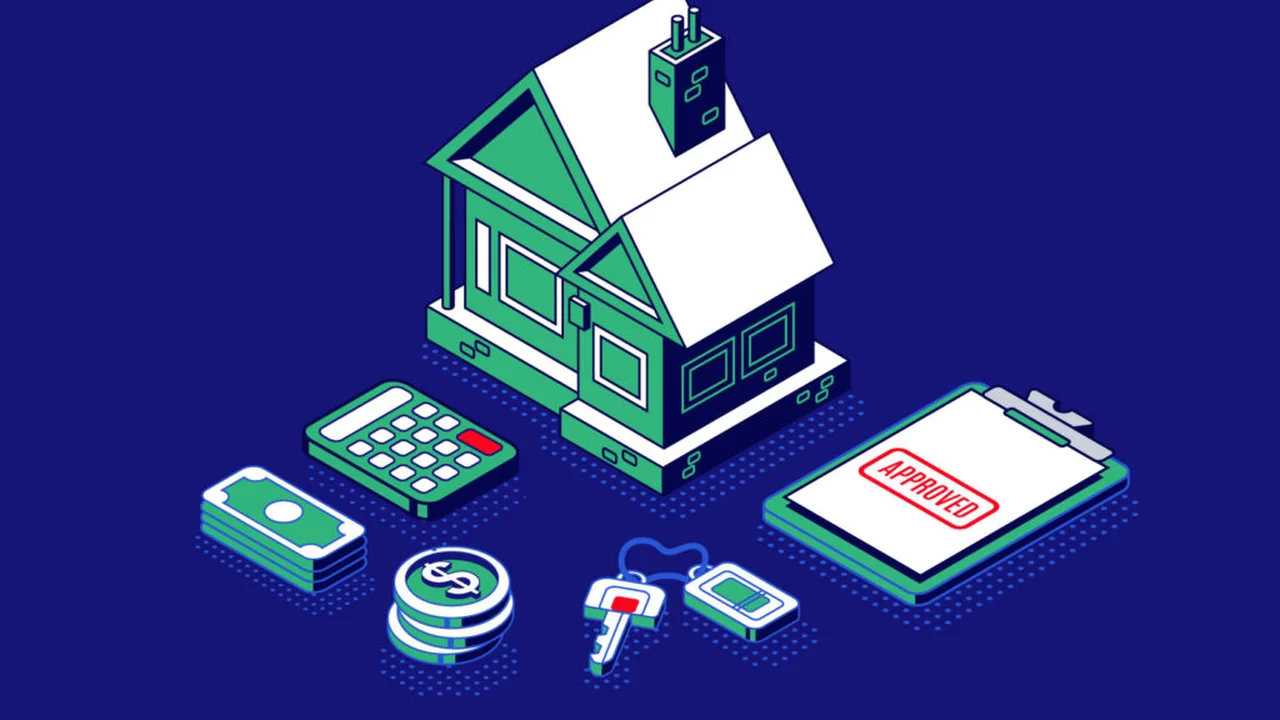
Understand the risks and benefits of using a home equity loan for debt consolidation and if it's a viable option.
Home Equity Loans for Debt Consolidation Risks
Understanding Home Equity Loans for Debt Consolidation
Hey there! So, you're looking into home equity loans as a way to consolidate your debt, huh? That's a pretty common thought, especially when you've got high-interest credit card debt or multiple personal loans piling up. The idea is simple: you borrow against the equity you've built in your home, get a lump sum of cash, and use that cash to pay off all your other, more expensive debts. Sounds like a dream, right? One lower monthly payment, potentially a much lower interest rate, and a clear path to being debt-free. But hold your horses for a second. While home equity loans can be a fantastic tool for some, they come with a significant catch that you absolutely need to understand: you're putting your home on the line.
Let's break down what a home equity loan actually is. It's a type of second mortgage. You're essentially taking out another loan using your home as collateral. The amount you can borrow is based on the equity you have in your home – that's the difference between your home's market value and what you still owe on your primary mortgage. Lenders typically allow you to borrow up to a certain percentage of your home's equity, often around 80% or 85%. For example, if your home is worth $300,000 and you owe $150,000 on your mortgage, you have $150,000 in equity. If the lender allows 80% loan-to-value (LTV), you could potentially borrow up to $90,000 ($300,000 * 0.80 - $150,000).
The appeal for debt consolidation is clear. Home equity loans usually offer lower interest rates compared to unsecured debts like credit cards or personal loans. This is because they're secured by your home, making them less risky for the lender. Plus, the interest might even be tax-deductible in some cases, though you should always consult a tax professional about that. You also get a fixed interest rate and a fixed repayment schedule, which can bring a lot of predictability to your monthly budget.
The Big Risk Your Home as Collateral
Alright, let's get to the elephant in the room: the risk. When you use your home as collateral, you're essentially telling the bank, 'If I can't pay this back, you can take my house.' This is a huge deal. Defaulting on a home equity loan can lead to foreclosure, meaning you could lose your home. This is a far more severe consequence than defaulting on a credit card, which would trash your credit score but wouldn't directly put your roof over your head at risk.
Think about it: if you're already struggling with debt, adding another significant loan, even if it has a lower interest rate, requires careful consideration. What if you lose your job? What if an unexpected medical emergency drains your savings? These are the scenarios where that lower interest rate suddenly doesn't feel so comforting when your home is on the line.
Another risk factor is the potential for over-leveraging. It can be tempting to borrow the maximum amount available, especially if you see it as 'free money' or a way to consolidate even more debt than initially planned. However, this can leave you with very little equity in your home, making it harder to sell if you need to, or leaving you vulnerable if home values decline. If your home's value drops below what you owe on your mortgages (primary and home equity), you could end up 'underwater' on your loan, which is a tough spot to be in.
Comparing Home Equity Loans with Other Debt Consolidation Options
It's crucial to compare home equity loans with other debt consolidation strategies to see if it's truly the best fit for your situation. Let's look at a few alternatives:
Personal Loans for Debt Consolidation
Personal loans are unsecured, meaning they don't require collateral. This is a huge advantage because your home isn't at risk. While interest rates might be higher than a home equity loan, they're typically lower than credit card rates. They also offer a fixed repayment schedule and a lump sum. Many online lenders specialize in debt consolidation personal loans. For example, LightStream (often requires excellent credit for best rates), SoFi (known for competitive rates and no fees), or Marcus by Goldman Sachs (good for those with solid credit). These loans usually range from $5,000 to $100,000, with terms from 2 to 7 years. Interest rates can vary widely, from around 6% for excellent credit to 36% for lower credit scores. The main benefit here is no collateral, so your home is safe. The downside is that if your credit isn't great, the interest rate might not be significantly better than your existing debts.
Balance Transfer Credit Cards for Debt Consolidation
If you have good credit and manageable credit card debt, a balance transfer card can be a fantastic option. These cards offer an introductory 0% APR period, usually for 12 to 21 months. You transfer your high-interest balances to the new card and pay no interest during that promotional period. This allows you to pay down the principal much faster. Popular options include the Chase Slate Edge, Citi Simplicity Card, or the Wells Fargo Reflect Card. These cards typically have a balance transfer fee (around 3-5% of the transferred amount), but if you can pay off the debt before the 0% APR period ends, you save a lot on interest. The catch? You need good credit to qualify, and if you don't pay off the balance in time, the regular APR (which can be high) kicks in. Also, you can't transfer more than your credit limit allows, so it might not work for very large debts.
Debt Management Plans DMP for Debt Consolidation
If your credit isn't great and you're struggling to make payments, a Debt Management Plan (DMP) through a non-profit credit counseling agency might be a better fit. In a DMP, the agency negotiates with your creditors to lower your interest rates and monthly payments. You make one consolidated payment to the agency, and they distribute it to your creditors. This isn't a loan, so there's no collateral involved. Agencies like the National Foundation for Credit Counseling (NFCC) or GreenPath Financial Wellness are reputable. There's usually a small setup fee and a monthly fee (e.g., $25-$50). The downside is that your credit score might take a temporary hit, and you'll likely have to close your credit card accounts involved in the plan. However, it can be a lifeline for those overwhelmed by debt without risking their home.
Cash-Out Refinance for Debt Consolidation
A cash-out refinance is another option that uses your home equity, but it's different from a home equity loan. With a cash-out refinance, you replace your existing mortgage with a new, larger mortgage. The difference between your old mortgage balance and the new, larger one is given to you in cash, which you can then use to pay off other debts. This means you'll have only one mortgage payment. Interest rates are typically lower than home equity loans because it's a first mortgage. However, you're restarting your mortgage term (e.g., another 30 years), which means you'll pay more interest over the long run. Plus, there are closing costs involved, which can be significant (2-5% of the loan amount). This option is best if you can get a significantly lower interest rate on your new mortgage and plan to stay in your home for a long time. Lenders like Quicken Loans/Rocket Mortgage, LoanDepot, or Better Mortgage are popular for cash-out refinances.
When a Home Equity Loan Might Be a Viable Option
Despite the risks, a home equity loan can be a viable option for debt consolidation under specific circumstances:
- Excellent Financial Discipline: You have a strong track record of managing debt and a stable income. You're confident you can make the new, consolidated payment consistently.
- Significant High-Interest Debt: You have a substantial amount of high-interest debt (e.g., credit cards with 20%+ APRs) where the interest savings from a home equity loan would be considerable.
- Solid Home Equity: You have a good amount of equity built up in your home, so you're not over-leveraging and still have a buffer.
- Lower Interest Rate: The interest rate offered on the home equity loan is significantly lower than your current average interest rate on your other debts.
- Clear Repayment Plan: You have a clear, realistic plan to pay off the home equity loan within its term.
- Emergency Fund in Place: You have a robust emergency fund (3-6 months of living expenses) to cover unexpected financial setbacks, reducing the risk of defaulting.
If you tick all these boxes, then a home equity loan could be a powerful tool to streamline your finances and save money on interest. However, if you're unsure about any of these points, it's probably best to explore other options first.
The Application Process and What to Expect
Applying for a home equity loan is similar to applying for a mortgage. Here's a general overview:
- Check Your Credit Score: Lenders will look at your credit score to determine your eligibility and interest rate. A higher score generally means better terms.
- Gather Documents: You'll need proof of income (pay stubs, tax returns), bank statements, and information about your existing mortgage and other debts.
- Home Appraisal: The lender will typically require a home appraisal to determine your home's current market value and, consequently, your available equity.
- Underwriting: The lender will review all your financial information to assess your ability to repay the loan.
- Closing: If approved, you'll sign closing documents, and the funds will be disbursed. There are usually closing costs involved, which can include appraisal fees, origination fees, and title insurance.
The process can take a few weeks, so it's not an instant solution. Be prepared for paperwork and a thorough review of your financial situation.
Specific Product Comparisons and Scenarios
Let's consider some hypothetical scenarios and how different products might fit:
Scenario 1: High Credit Card Debt, Excellent Credit, Stable Income
Debt Profile: $25,000 in credit card debt across 3 cards, average APR 22%. Home value $400,000, mortgage $200,000 (equity $200,000). Credit score 780. Income $90,000/year.
Home Equity Loan Option: You could likely get a home equity loan for $25,000 at an interest rate around 7-9% (e.g., from a local credit union like Navy Federal Credit Union if eligible, or a national bank like Bank of America or Wells Fargo). This would significantly reduce your interest payments. For a $25,000 loan at 8% over 10 years, your monthly payment would be around $303. Total interest paid: $11,360. Compared to paying 22% on credit cards, this is a huge saving. The risk is moderate here because of excellent credit and stable income, but the home is still collateral.
Personal Loan Option: You could also qualify for a personal loan at a competitive rate, perhaps 8-12% (e.g., from SoFi or LightStream). For a $25,000 loan at 10% over 5 years, your monthly payment would be around $531. Total interest paid: $6,860. While the monthly payment is higher due to a shorter term, the total interest might be less than a longer-term home equity loan. No collateral risk.
Balance Transfer Card Option: If you can get a card with a $25,000 limit and a 0% APR for 18 months (e.g., Citi Double Cash Card or Chase Freedom Unlimited with a balance transfer offer), you could pay it off with minimal interest (just the transfer fee). If you pay $1,389/month, you'd be debt-free in 18 months. This is the cheapest option if you can commit to the aggressive repayment. No collateral risk.
Recommendation: Given excellent credit, a balance transfer card is likely the cheapest if the debt can be paid within the promotional period. If not, a personal loan offers a good balance of lower interest and no collateral risk. A home equity loan is viable but introduces home risk.
Scenario 2: Moderate Credit Card Debt, Fair Credit, Some Equity
Debt Profile: $15,000 in credit card debt, average APR 25%. Home value $250,000, mortgage $180,000 (equity $70,000). Credit score 650. Income $50,000/year.
Home Equity Loan Option: You might qualify for a home equity loan, but the interest rate could be higher, perhaps 10-12% (e.g., from a regional bank or credit union). For a $15,000 loan at 11% over 7 years, your monthly payment would be around $255. Total interest paid: $6,420. This is still better than 25% on credit cards, but the risk to your home is significant given the fair credit and potentially less stable financial situation.
Personal Loan Option: With a 650 credit score, personal loan rates could be 18-30% (e.g., from lenders like Upstart or Avant, which cater to lower credit scores). A $15,000 loan at 20% over 5 years would have a monthly payment of around $397. Total interest paid: $8,820. While higher interest than a home equity loan, your home is not at risk.
DMP Option: A Debt Management Plan (DMP) could be a strong contender here. A non-profit agency could negotiate your credit card rates down to 8-12%. For $15,000 at 10% over 5 years, your payment would be around $318. Total interest paid: $4,080. This is often the most affordable option for those with fair credit and significant credit card debt, with no collateral risk, though it impacts your credit report temporarily.
Recommendation: A DMP is likely the safest and most cost-effective option here, as it addresses the high interest without putting the home at risk. A personal loan is also safer than a home equity loan, even with higher interest, due to the lack of collateral.
Important Considerations Before Committing
Fees and Closing Costs for Home Equity Loans
Don't forget about the fees! Home equity loans come with closing costs, just like your primary mortgage. These can include application fees, appraisal fees, origination fees, title search fees, and more. These can add up to 2-5% of the loan amount. So, on a $50,000 home equity loan, you could be looking at $1,000 to $2,500 in upfront costs. Factor these into your decision-making process. Sometimes, lenders offer 'no-closing-cost' home equity loans, but these usually come with a higher interest rate to compensate for the waived fees.
Impact on Your Credit Score
Taking out a home equity loan will result in a hard inquiry on your credit report, which can temporarily ding your score by a few points. However, if you use the loan to pay off high-interest credit card debt, your credit utilization ratio will drop significantly, which can actually boost your score over time. Making consistent, on-time payments on your home equity loan will also positively impact your payment history, a major factor in your credit score.
Interest Rate Fluctuations (for HELOCs)
While this article focuses on home equity loans (which typically have fixed rates), it's worth mentioning Home Equity Lines of Credit (HELOCs). HELOCs usually have variable interest rates, meaning your monthly payment can change over time. If you're considering a HELOC for debt consolidation, be aware of the potential for rising interest rates, which could make your payments unaffordable. Always understand whether you're getting a fixed-rate loan or a variable-rate line of credit.
The Psychological Aspect of Debt
Consolidating debt with a home equity loan can feel like a fresh start, but it's crucial to address the root causes of your debt. If you don't change your spending habits, you could easily run up new credit card debt while still owing on your home equity loan. This is a dangerous cycle that can lead to even worse financial trouble. Use debt consolidation as an opportunity to reset your financial habits, create a strict budget, and stick to it. Otherwise, you might find yourself in a deeper hole than before.
Final Thoughts on Home Equity Loans for Debt Consolidation
So, should you use a home equity loan to consolidate debt? It's a powerful tool with significant benefits, primarily lower interest rates and simplified payments. However, the risk of losing your home if you default is a serious consideration that shouldn't be taken lightly. It's not a decision to rush into. Carefully assess your financial situation, your ability to repay, and your comfort level with putting your home on the line. Explore all your alternatives, compare interest rates, fees, and repayment terms, and consider seeking advice from a financial advisor or a non-profit credit counselor. They can help you weigh the pros and cons specific to your unique circumstances and guide you toward the best path for your financial health. Remember, your home is likely your biggest asset, so protect it at all costs.
:max_bytes(150000):strip_icc()/277019-baked-pork-chops-with-cream-of-mushroom-soup-DDMFS-beauty-4x3-BG-7505-5762b731cf30447d9cbbbbbf387beafa.jpg)