When to Consider a Balance Transfer Card
Find out when a balance transfer credit card is a smart financial move to save on interest and pay off debt faster.
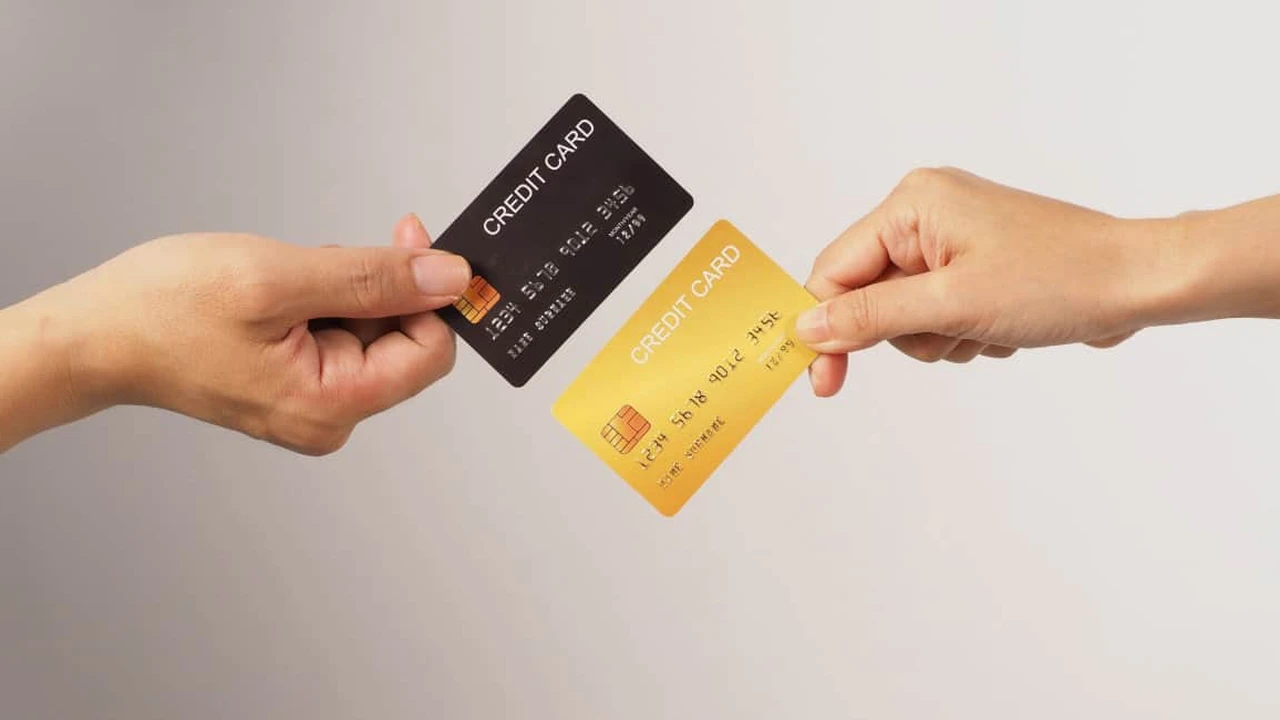
Find out when a balance transfer credit card is a smart financial move to save on interest and pay off debt faster.
When to Consider a Balance Transfer Card
Understanding Balance Transfer Credit Cards and Their Core Function
Hey there! Ever feel like you're drowning in credit card debt, watching those interest payments eat away at your hard-earned money? You're not alone. Many people find themselves in a similar boat, and that's where a balance transfer credit card can be a real lifesaver. But what exactly is it, and how does it work? Let's break it down in simple terms.
At its heart, a balance transfer credit card is designed to help you consolidate high-interest debt from one or more existing credit cards onto a new card, often with a significantly lower, or even 0%, introductory Annual Percentage Rate (APR). Think of it like moving all your scattered, expensive bills into one neat, affordable pile. The main goal here is to give you a breathing room, a period where you can focus on paying down the principal balance of your debt without the added burden of hefty interest charges.
Typically, these cards come with an introductory 0% APR period that can last anywhere from 6 to 21 months, sometimes even longer. During this time, every dollar you pay goes directly towards reducing your debt, rather than a chunk of it being siphoned off by interest. This can be incredibly powerful for accelerating your debt payoff journey. However, it's crucial to remember that once this introductory period ends, the APR will revert to a standard variable rate, which can be quite high. So, the clock is ticking from the moment you make that transfer!
Most balance transfer cards also come with a balance transfer fee. This is usually a small percentage of the amount you're transferring, typically ranging from 3% to 5%. While it's an upfront cost, it's often a small price to pay compared to the amount of interest you'd save over several months. For example, if you transfer $5,000 with a 3% fee, you'd pay $150. If your old card had a 20% APR, you could easily save hundreds, if not thousands, in interest during a 12-month 0% APR period.
Key Indicators It's Time to Consider a Balance Transfer Card
So, how do you know if a balance transfer card is the right move for you? It's not a one-size-fits-all solution, but there are some clear signs that it might be worth exploring. Let's dive into those indicators.
High-Interest Credit Card Debt Accumulation
This is probably the most obvious sign. If you're carrying a significant balance on one or more credit cards with high interest rates (think 18% APR or more), and you're finding that a large portion of your monthly payment is going towards interest rather than the principal, a balance transfer could be a game-changer. Imagine having a $10,000 balance at 20% APR. Even if you pay $200 a month, a substantial chunk of that is just covering the interest. A 0% APR period would allow that entire $200 to chip away at your $10,000 debt.
A Clear and Achievable Debt Payoff Plan
A balance transfer card isn't a magic wand that makes debt disappear. It's a tool. And like any tool, it's most effective when used with a plan. Before you apply, you should have a realistic strategy for how you're going to pay off the transferred balance before the introductory 0% APR period expires. This means calculating how much you need to pay each month to clear the debt within that timeframe. If you can't realistically pay it off, you might end up paying high interest rates on the remaining balance, defeating the purpose.
Good to Excellent Credit Score for Optimal Offers
To qualify for the best balance transfer offers – those with the longest 0% APR periods and lowest balance transfer fees – you generally need a good to excellent credit score. Lenders typically look for scores in the mid-600s and above. If your credit score is lower, you might still qualify for a balance transfer card, but the terms might not be as favorable, meaning a shorter 0% APR period or a higher balance transfer fee. It's always a good idea to check your credit score before applying so you know what kind of offers you might expect.
Avoiding New Debt During the Introductory Period
This is absolutely critical. A balance transfer card is for paying off existing debt, not for accumulating new debt. If you transfer a balance and then immediately start racking up new charges on your old cards, or even on the new balance transfer card (if it allows new purchases at 0% APR, which some do), you're essentially digging yourself into a deeper hole. The goal is to become debt-free, not to juggle more debt. Discipline is key here.
Consolidating Multiple Credit Card Debts for Simpler Management
If you have balances spread across several credit cards, each with different due dates, interest rates, and minimum payments, managing them can be a headache. A balance transfer allows you to consolidate all that debt into one single payment, making it much easier to track and manage. This simplification can reduce stress and help you stay on top of your payments, reducing the risk of missing a due date and incurring late fees or further damage to your credit score.
Top Balance Transfer Credit Cards for 2024 and Beyond
Alright, let's get to the good stuff! If you've decided a balance transfer card is right for you, here are some of the top contenders in the market right now. Remember, offers change, so always check the issuer's website for the most current terms and conditions.
Citi Simplicity Card: Extended 0% APR Period for Peace of Mind
The Citi Simplicity Card is a fantastic option if you're looking for a long runway to pay off your debt. It often boasts one of the longest 0% intro APR periods on balance transfers, sometimes up to 21 months. This extended period gives you ample time to tackle a substantial debt without the pressure of interest. What's more, it has no late fees and no penalty rate, which can be a huge relief if you occasionally miss a payment (though it's always best to pay on time!). The balance transfer fee is typically 3% or 5% of the amount transferred, with a minimum of $5. This card is ideal for those with a solid plan to pay off their debt within the extended intro period and who value the peace of mind of no late fees. Typical Credit Score Needed: Good to Excellent (670-850).
Discover it Balance Transfer: Rewards and 0% APR Combined
The Discover it Balance Transfer card offers a compelling combination of a 0% intro APR on balance transfers (usually for 18 months) and a rewards program. Yes, you read that right – you can earn cash back while paying down your debt! It typically offers 5% cash back on rotating categories each quarter (on up to $1,500 in purchases, then 1%) and 1% cash back on all other purchases. Plus, Discover matches all the cash back you've earned at the end of your first year, automatically. The balance transfer fee is usually 3% for transfers made within a certain timeframe. This card is perfect for individuals who want to pay down debt but also appreciate earning rewards on their everyday spending. Just be careful not to rack up new debt while focusing on the transfer! Typical Credit Score Needed: Good to Excellent (670-850).
BankAmericard Credit Card: Straightforward Debt Reduction
The BankAmericard Credit Card is a no-frills, straightforward option for balance transfers. It typically offers a competitive 0% intro APR on balance transfers for a good duration, often 18 months. What sets it apart is its simplicity – no rewards program to distract you, just a clear path to debt reduction. The balance transfer fee is usually 3% or 4% of the amount transferred. This card is an excellent choice for those who want to focus solely on paying off their debt without the temptation of earning rewards on new purchases. It's a pure debt-busting tool. Typical Credit Score Needed: Good to Excellent (670-850).
Chase Slate Edge: No Balance Transfer Fee for Initial Transfers
The Chase Slate Edge card is a standout because it often offers a 0% intro APR on balance transfers for a competitive period (e.g., 18 months) AND a $0 intro balance transfer fee for transfers made within the first 60 days of account opening. This can lead to significant savings, especially on larger balances. After the intro period, a standard balance transfer fee applies. It also offers opportunities to earn a lower APR over time by paying on time and spending a certain amount. This card is ideal for those who want to avoid the balance transfer fee upfront and are committed to paying off their debt within the intro period. Typical Credit Score Needed: Good to Excellent (670-850).
Wells Fargo Reflect Card: Longest 0% Intro APR Potential
The Wells Fargo Reflect Card is designed for those who need the absolute longest time to pay off their debt. It often offers an impressive 0% intro APR for 18 months, which can be extended for an additional 3 months if you make your minimum payments on time during the intro period, totaling up to 21 months. This is one of the longest intro APR periods available. The balance transfer fee is typically 3% or 5% of the amount transferred, with a minimum of $5. This card is perfect for individuals with a large amount of debt who need maximum time to pay it off and are confident they can make all their payments on time to unlock the full 21-month period. Typical Credit Score Needed: Good to Excellent (670-850).
Comparing Balance Transfer Cards: What to Look For
When you're sifting through all the options, it can feel a bit overwhelming. Here's a quick rundown of the key features to compare to ensure you pick the best card for your situation.
Introductory 0% APR Period Duration
This is arguably the most important factor. How long do you need to pay off your debt? If you have a smaller balance, a shorter 12-month period might be fine. For larger debts, you'll want to aim for 18-21 months. Calculate how much you need to pay monthly to clear the debt within that timeframe. The longer the 0% period, the more breathing room you have.
Balance Transfer Fees and Their Impact on Savings
Most cards charge a fee, usually 3% to 5% of the transferred amount. While some cards offer an introductory $0 fee, these are rare. Always factor this fee into your calculations. For example, if you transfer $10,000 with a 3% fee, you'll pay $300. Compare this to the interest you'd save on your old card. Often, the savings far outweigh the fee, but it's an important consideration.
Post-Introductory APR: The Rate After the Honeymoon
What happens after the 0% APR period ends? The card will revert to a variable APR. This rate can be quite high, sometimes even higher than your original card's APR. While the goal is to pay off the debt before this happens, life can throw curveballs. If you anticipate carrying a balance past the intro period, choose a card with a reasonable post-introductory APR. This information is always disclosed in the card's terms and conditions.
Credit Limit Considerations for Your Debt Amount
The credit limit you're approved for needs to be high enough to cover the balance you want to transfer. There's no point in getting a balance transfer card if you can only transfer a fraction of your high-interest debt. Lenders determine your credit limit based on your creditworthiness. If you have a very large amount of debt, you might need to apply for a card with a higher potential credit limit or consider transferring balances from multiple cards to different balance transfer cards.
Additional Card Features: Rewards, Annual Fees, and Perks
Some balance transfer cards offer rewards programs, like the Discover it Balance Transfer. While these can be a nice bonus, remember that the primary goal is debt reduction. Don't let the allure of rewards tempt you into spending more. Also, check for annual fees. Most good balance transfer cards don't have an annual fee, but it's always worth confirming. Other perks might include credit score tracking or fraud protection, which are always welcome additions.
Practical Scenarios Where a Balance Transfer Card Shines
Let's look at some real-world situations where a balance transfer card can be incredibly effective.
Consolidating Multiple High-Interest Credit Card Debts
Imagine you have three credit cards: one with a $3,000 balance at 22% APR, another with $2,000 at 19% APR, and a third with $1,500 at 20% APR. That's a total of $6,500 in debt, with three different minimum payments and due dates. By transferring all of this to a balance transfer card with a 0% intro APR for 18 months and a 3% fee, you'd pay a $195 fee. But now you have one payment, one due date, and every dollar goes to principal for 18 months. If you pay $361.11 a month, you'll be debt-free before the intro period ends, saving you potentially thousands in interest.
Accelerating Debt Payoff with a Clear End Date
Let's say you have a $7,000 balance on a single card with an 18% APR. You're currently paying $150 a month, but it feels like you're barely making a dent. If you transfer this to a card with a 0% intro APR for 15 months (with a 3% fee, so $210), you now need to pay $466.67 a month to clear the debt. While this is a higher monthly payment, you know that in 15 months, that debt will be gone, and you'll have saved a significant amount of interest. This clear end date can be incredibly motivating.
Managing Unexpected Financial Setbacks Temporarily
Life happens. Maybe you had an unexpected medical bill, a car repair, or a temporary job loss that forced you to rely on credit cards. If you've accumulated some high-interest debt due to a short-term setback and are now back on your feet, a balance transfer can help you recover without the added burden of high interest. It gives you a window to pay off that emergency debt before it spirals out of control. This is a temporary solution, not a long-term strategy for managing ongoing financial difficulties.
Leveraging a Good Credit Score for Better Terms
If you've worked hard to build and maintain a good to excellent credit score, you're in a prime position to take advantage of the best balance transfer offers. Lenders are more willing to offer longer 0% APR periods and lower fees to applicants with strong credit profiles. This means you can get the most favorable terms, maximizing your savings and making your debt payoff journey even smoother. Don't let that good credit go to waste on high-interest debt!
Potential Pitfalls and How to Avoid Them
While balance transfer cards are powerful tools, they're not without their risks. Being aware of these potential pitfalls can help you navigate them successfully.
Failing to Pay Off the Balance Before the Intro APR Ends
This is the biggest trap. If you don't pay off the transferred balance before the 0% intro APR period expires, the remaining balance will be subject to the card's standard variable APR, which can be very high. This negates much of the benefit of the balance transfer. To avoid this, have a strict payment plan and stick to it. Set up automatic payments for the amount needed to clear the debt, not just the minimum payment.
Accruing New Debt on the Balance Transfer Card or Old Cards
As mentioned earlier, using the balance transfer card for new purchases (if it has a 0% intro APR on purchases) or running up balances on your old cards again is a recipe for disaster. This is often called the 'revolving door' of debt. The goal is to eliminate debt, not to move it around or create more. Consider cutting up your old cards (or at least putting them away) and being extremely disciplined with the new card.
High Balance Transfer Fees Eating Into Your Savings
While a 3% or 5% fee is often worth it, it's still a cost. If you're transferring a very small balance, the fee might not offer enough savings to make it worthwhile. Always calculate the total cost of the fee versus the interest you'd save. For example, if you transfer $1,000 with a 5% fee ($50), and you could pay it off in 3 months on your old card with 18% APR, your interest savings might be minimal. Do the math!
Impact on Your Credit Score from New Applications
Applying for a new credit card results in a hard inquiry on your credit report, which can temporarily ding your credit score by a few points. While this is usually minor and temporary, applying for multiple cards in a short period can have a more significant negative impact. Only apply for one balance transfer card at a time, and space out applications if you need to apply for other credit. Also, opening a new account can slightly lower your average age of accounts, another factor in your credit score, but the benefits of debt reduction usually outweigh this.
Minimum Payment Requirements and Their Deceptive Nature
During the 0% intro APR period, the minimum payment required by the issuer will likely be very low. This is often just a small percentage of your balance. If you only pay the minimum, you will almost certainly not pay off the balance before the intro period ends. Always pay more than the minimum – ideally, the amount calculated to clear the debt within the 0% period. The minimum payment is designed to keep you in debt longer, not to help you get out of it.
Alternative Debt Management Strategies to Consider
A balance transfer card is a great tool, but it's not the only one. Depending on your situation, other strategies might be more suitable or can be used in conjunction with a balance transfer.
Debt Consolidation Loans for Fixed Payments
If your credit score isn't strong enough for a good balance transfer offer, or if you prefer a fixed payment schedule with a clear end date, a debt consolidation loan might be a better fit. These are personal loans that you use to pay off your existing high-interest debts. You then make one fixed monthly payment to the loan provider. The interest rate is usually lower than credit card rates, and the payment schedule is predictable. However, you'll need a decent credit score to qualify for favorable rates, and there might be origination fees.
Debt Management Plans Through Credit Counseling Agencies
For those struggling with significant debt and who might not qualify for a balance transfer or consolidation loan, a Debt Management Plan (DMP) offered by a non-profit credit counseling agency can be a lifeline. In a DMP, the agency negotiates with your creditors to lower your interest rates and waive fees. You then make one monthly payment to the agency, which distributes the funds to your creditors. This can significantly reduce your monthly payments and help you get out of debt, typically within 3-5 years. However, it can negatively impact your credit score in the short term, and you'll need to close your credit card accounts.
The Debt Snowball or Avalanche Method for Self-Managed Payoff
If you're disciplined and prefer to manage your debt payoff yourself, the debt snowball and debt avalanche methods are excellent strategies. The debt snowball method involves paying off your smallest debt first, then rolling that payment into the next smallest debt, creating momentum. The debt avalanche method focuses on paying off the debt with the highest interest rate first, saving you the most money on interest. Both methods require commitment but can be very effective without taking on new credit.
Budgeting and Frugal Living for Long-Term Financial Health
No matter which debt reduction strategy you choose, a solid budget and a commitment to frugal living are essential for long-term financial health. A budget helps you understand where your money is going and identify areas where you can cut back to free up more funds for debt repayment. Frugal living isn't about deprivation; it's about making conscious choices to spend less and save more. These habits are crucial not only for getting out of debt but for staying out of it and building wealth in the future.
Final Thoughts on Maximizing Your Balance Transfer Success
So, you've decided to go for it. You've picked your card, transferred your balance, and you're ready to tackle that debt. Here are a few parting tips to ensure you make the most of this opportunity.
Set Up Automatic Payments for the Full Payoff Amount
Don't rely on remembering to make payments. Set up automatic payments from your bank account for the exact amount you need to pay each month to clear the debt before the 0% APR period ends. This eliminates the risk of missed payments and ensures you stay on track.
Avoid New Purchases on the Balance Transfer Card
Even if the card offers a 0% intro APR on purchases, resist the urge. Your primary goal is to eliminate the transferred debt. Mixing new purchases with your balance transfer can complicate things and make it harder to track your progress. Use a separate card for everyday spending if you must, but ideally, stick to cash or a debit card while you're in debt payoff mode.
Monitor Your Progress and Adjust Your Budget as Needed
Regularly check your statements and track your progress. Are you on track to pay off the debt? If not, can you adjust your budget to free up more money for payments? Life is dynamic, and your budget might need tweaks along the way. Staying engaged with your finances is key.
Consider Closing Old Credit Card Accounts Responsibly
Once you've transferred your balances, consider what to do with your old credit cards. If you're prone to overspending, it might be wise to close them to remove temptation. However, be aware that closing old accounts can slightly impact your credit score by reducing your overall available credit and shortening your average age of accounts. If you have a long credit history, closing one or two might not be a big deal. If you decide to keep them open, put them away somewhere safe and only use them for emergencies, or for small, easily payable purchases to keep them active.
Celebrate Milestones and Stay Motivated
Paying off debt is a marathon, not a sprint. Celebrate small victories along the way – every $1,000 paid off, every month you stick to your budget. This helps keep you motivated and reminds you of the progress you're making. The feeling of becoming debt-free is incredibly liberating, and a balance transfer card can be a powerful tool to help you achieve that freedom.
:max_bytes(150000):strip_icc()/277019-baked-pork-chops-with-cream-of-mushroom-soup-DDMFS-beauty-4x3-BG-7505-5762b731cf30447d9cbbbbbf387beafa.jpg)