Settling Debts for Less Than You Owe Pros Cons
Explore the advantages and disadvantages of settling debts for less than the full amount and its credit impact.
Explore the advantages and disadvantages of settling debts for less than the full amount and its credit impact.
Settling Debts for Less Than You Owe Pros Cons
Hey there! Let's talk about something that many folks find themselves considering when debt becomes overwhelming: settling debts for less than you actually owe. It sounds pretty good, right? Paying back only a portion of what you borrowed and getting that monkey off your back. But like most things in life, it's not always as simple as it seems. There are some serious upsides and some significant downsides you need to be aware of before you jump into debt settlement. We're going to break it all down for you, looking at the good, the bad, and the ugly, and even peek at some specific products and scenarios where this might make sense – or not.
Understanding Debt Settlement What It Means for Your Finances
First things first, what exactly is debt settlement? In a nutshell, it's a negotiation process where you (or a company you hire) work with your creditors to agree on paying back a portion of your outstanding debt, rather than the full amount. This usually happens when you're in a tough financial spot, maybe you've lost your job, faced a medical emergency, or just got buried under a mountain of credit card bills. Creditors, especially collection agencies, might be willing to settle because they'd rather get some money than no money at all, which is a real risk if you declare bankruptcy.
Typically, debt settlement involves stopping payments on your debts for a period, allowing the accounts to become delinquent. This is done to build up a lump sum of money (often in a special savings account) that can then be offered to the creditor as a settlement. The idea is that once the debt is significantly past due, the creditor might be more motivated to settle. However, this period of non-payment can have severe consequences for your credit score, which we'll dive into shortly.
The Bright Side of Debt Settlement Potential Advantages
Let's start with the positives, because there are definitely some compelling reasons why people consider debt settlement.
Significant Debt Reduction and Financial Relief
The most obvious benefit is the potential to pay back a lot less than you owe. We're talking about potentially reducing your debt by 30% to 70% of the original amount. Imagine having a $20,000 credit card debt and settling it for $8,000. That's a massive chunk of change saved, and it can provide immense psychological and financial relief. This reduction can make an otherwise impossible debt load manageable, allowing you to finally see a light at the end of the tunnel.
Avoiding Bankruptcy A Less Drastic Alternative
For many, debt settlement is seen as a last resort before bankruptcy. If you're facing overwhelming debt and feel like bankruptcy is your only option, debt settlement can offer a way out that avoids the long-term stigma and severe credit implications of a bankruptcy filing. While debt settlement does hurt your credit, it's generally considered less damaging than bankruptcy in the long run.
Faster Debt Freedom Compared to Minimum Payments
If you're only making minimum payments on high-interest credit card debt, you could be paying for decades, with most of your money going towards interest. Debt settlement, if successful, can get you out of debt much faster. Once a settlement is reached and paid, that debt is gone, allowing you to focus on rebuilding your finances rather than just treading water.
Stopping Harassing Collection Calls and Legal Action
When you're deep in debt, collection calls can be relentless and incredibly stressful. While debt settlement doesn't immediately stop these calls (especially if you're working with a settlement company that advises you to stop paying), once a settlement is reached and paid, the calls should cease. It can also help prevent creditors from taking legal action against you, such as filing a lawsuit or garnishing your wages, which are serious threats when debts go unpaid.
The Dark Side of Debt Settlement Potential Disadvantages
Now, let's get real about the downsides. Debt settlement isn't a magic bullet, and it comes with some significant drawbacks.
Severe Damage to Your Credit Score Long Term Impact
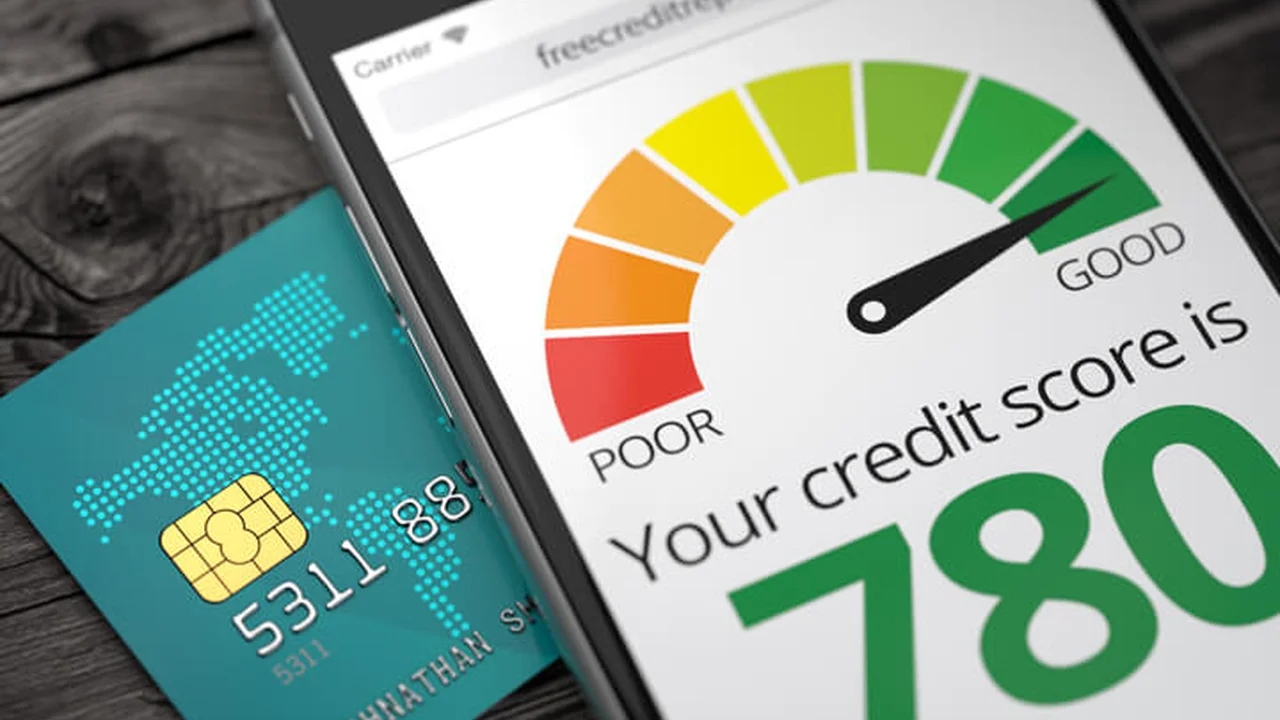
This is probably the biggest drawback. When you enter into debt settlement, you're typically advised to stop making payments on your debts. This means your accounts will become severely delinquent, leading to missed payment notations, charge-offs, and potentially collection accounts on your credit report. These negative marks can stay on your credit report for up to seven years, severely impacting your ability to get new credit, loans, or even rent an apartment at favorable rates.
Tax Implications on Forgiven Debt What You Need to Know
Here's a kicker many people don't realize: the amount of debt that is forgiven through settlement is often considered taxable income by the IRS. If a creditor forgives $10,000 of your debt, you might receive a 1099-C form and owe income tax on that $10,000. There are exceptions, like if you're insolvent (meaning your liabilities exceed your assets) at the time the debt is forgiven, but it's a crucial factor to consider and can significantly reduce the actual savings from settlement.
High Fees from Debt Settlement Companies Hidden Costs
If you hire a debt settlement company, they don't work for free. Their fees can be substantial, often a percentage of the original debt amount or the amount saved. These fees can eat into your savings and sometimes make the process less cost-effective than you initially thought. For example, a company might charge 15-25% of the enrolled debt. If you have $30,000 in debt, that's $4,500 to $7,500 in fees, which you'll need to pay in addition to the settled amount.
No Guarantee of Success Creditor Refusal
Creditors are not obligated to settle. While many do, especially collection agencies, there's no guarantee that all your creditors will agree to a settlement. Some might hold out for the full amount, or they might only offer a minimal reduction. This means you could go through the process, damage your credit, and still end up owing a significant portion of your original debt.
Risk of Lawsuits and Wage Garnishments Legal Ramifications
During the period when you're not making payments, creditors can and sometimes do pursue legal action. They might sue you for the unpaid debt, and if they win, they could obtain a judgment that allows them to garnish your wages, levy your bank accounts, or place liens on your property. This is a serious risk, and a debt settlement company cannot prevent a creditor from suing you.
DIY Debt Settlement vs Professional Services Making the Right Choice
So, you're thinking about debt settlement. Should you try to do it yourself, or should you hire a professional company? Both options have their merits and drawbacks.
DIY Debt Settlement Empowering Yourself
If you're organized, persistent, and comfortable negotiating, you can absolutely try to settle debts yourself. The main advantage here is saving on those hefty fees that debt settlement companies charge. You'll directly control the process and keep all the savings. You'll need to research negotiation tactics, understand your rights, and be prepared for potentially tough conversations with creditors. Websites like the National Foundation for Credit Counseling (NFCC) offer resources that can help you understand the process and prepare for negotiations. You can also find sample settlement letters online to guide your communication.
Hiring a Debt Settlement Company Expert Negotiation and Support
For those who feel overwhelmed, lack the time, or aren't confident in their negotiation skills, a debt settlement company can be a viable option. They act as intermediaries, negotiating with creditors on your behalf. They often have established relationships with creditors and experience in getting favorable settlements. However, as mentioned, their fees can be substantial, and you need to be very careful about choosing a reputable company. Look for companies accredited by organizations like the American Fair Credit Council (AFCC) or the International Association of Professional Debt Arbitrators (IAPDA).
When considering a debt settlement company, always ask about their fee structure, their success rates, and how long they've been in business. Be wary of companies that promise unrealistic results, demand large upfront fees, or advise you to stop communicating with your creditors entirely. Reputable companies will typically charge fees only after a settlement is reached and you've made a payment towards it.
Specific Products and Scenarios When Debt Settlement Might Be Considered
Let's look at some real-world scenarios and specific types of debt where settlement might come into play.
Credit Card Debt High Interest Unsecured Loans
This is the most common type of debt settled. Credit card companies are often willing to negotiate, especially if the account is significantly delinquent and they believe they might not recover anything otherwise. The high interest rates on credit cards mean that even a partial payment is better for them than nothing. Many debt settlement companies specialize in credit card debt.
Personal Loans Unsecured and Overdue
Similar to credit card debt, unsecured personal loans can also be candidates for settlement. If you've fallen behind on payments and the lender has charged off the loan, they might be open to negotiating a lower payoff amount. Again, the key is that the loan is unsecured, meaning there's no collateral for the lender to seize.
Medical Debt Unexpected and Overwhelming Bills
Medical debt is a unique beast. Hospitals and medical providers are often more flexible in negotiations, especially if you can demonstrate financial hardship. They might be willing to settle for a fraction of the original bill, or even offer payment plans with significant discounts. Sometimes, even after the debt goes to collections, you can still negotiate directly with the original provider or the collection agency. Many non-profit organizations also offer assistance with medical debt negotiation.
Old Collection Accounts Dormant Debts
If you have very old collection accounts that are nearing the end of their reporting period on your credit report (typically seven years), you might be able to settle them for a very low amount. Collection agencies often buy these debts for pennies on the dollar, so they're happy to get any return. However, be cautious about 're-aging' the debt by making a payment, as this can restart the statute of limitations in some states.
When Debt Settlement is NOT the Best Option Alternatives to Consider
While debt settlement can be a lifeline for some, it's definitely not for everyone. Here are situations where you should probably look elsewhere.
Secured Debts Mortgages Car Loans
Debt settlement is generally not suitable for secured debts like mortgages or car loans. If you stop paying these, the lender can repossess your car or foreclose on your home. The risks are too high, and lenders are far less likely to settle for a reduced amount when they have collateral to recover.
Student Loans Federal and Private
Student loans, especially federal ones, are notoriously difficult to settle. They have strong protections for lenders, and even bankruptcy rarely discharges them. While there are some programs for student loan forgiveness or income-driven repayment, outright settlement for less than you owe is rare and usually only happens in very specific, extreme circumstances.
If You Can Afford to Pay Your Debts Other Options
If you can reasonably afford to pay your debts, even if it means tightening your belt, debt settlement is probably not the best route due to the credit damage. Consider options like debt management plans (DMPs) through non-profit credit counseling agencies. With a DMP, the agency negotiates with your creditors to lower interest rates and consolidate your payments into one monthly sum, often without the severe credit damage of settlement. You still pay back the full amount, but over a shorter period and with less interest.
If Your Debts Are Small and Manageable Budgeting and Discipline
For smaller, more manageable debts, aggressive budgeting and a disciplined payoff strategy (like the debt snowball or debt avalanche method) might be more effective. These methods allow you to pay off debt without damaging your credit and without incurring settlement fees.
Navigating the Aftermath Rebuilding Your Credit Post Settlement
Let's say you've successfully settled your debts. Great! But the journey isn't over. Now you need to focus on rebuilding your credit.
Secured Credit Cards A Stepping Stone
One of the best tools for rebuilding credit after settlement is a secured credit card. You put down a deposit (which becomes your credit limit), and then you use the card like a regular credit card, making small purchases and paying them off in full and on time every month. This demonstrates responsible credit behavior to the credit bureaus. Look for cards with low annual fees and that report to all three major credit bureaus (Experian, EquiFax, TransUnion).
Product Recommendation: The Discover it Secured Credit Card is often highly rated. It requires a minimum deposit of $200, reports to all three bureaus, and even offers cash back rewards. After 7 months, Discover automatically reviews your account to see if you can transition to an unsecured card and get your deposit back. Another good option is the Capital One Platinum Secured Credit Card, which sometimes allows for a lower initial deposit based on your creditworthiness.
Credit Builder Loans A Smart Strategy
Credit builder loans are another excellent way to establish a positive payment history. With these loans, the money you borrow is held in a savings account while you make regular payments. Once the loan is paid off, you get access to the money. This shows lenders you can make consistent payments. Many credit unions offer these.
Product Recommendation: Look for credit builder loans from local credit unions or online providers like Self Financial. Self offers credit builder accounts that combine a loan with a savings component, reporting your payments to all three credit bureaus. Their plans typically range from $25 to $150 per month over 12 to 24 months, with an administrative fee and interest, but the goal is to build credit, not necessarily to get a cheap loan.
Authorized User Status Leveraging Others Credit
If you have a trusted family member or friend with excellent credit, they might be willing to add you as an authorized user on one of their credit cards. This can allow their positive payment history to appear on your credit report, giving your score a boost. However, ensure they have a long history of on-time payments and low credit utilization, as their mistakes could also impact you.
Regular Credit Monitoring Staying Informed
After debt settlement, it's more important than ever to regularly monitor your credit report. Check for any inaccuracies or old debts that haven't been updated correctly. You can get free copies of your credit report from AnnualCreditReport.com once a year from each of the three major bureaus. Services like Credit Karma or Experian also offer free credit monitoring and scores.
Final Thoughts on Debt Settlement Weighing Your Options Carefully
Debt settlement is a serious financial decision with significant consequences. It's not a quick fix, and it comes with both potential relief and potential pitfalls. Before you commit, make sure you fully understand the impact on your credit, the potential tax implications, and the fees involved if you use a company. Explore all your alternatives, like credit counseling or debt management plans, to ensure you're choosing the path that's truly best for your unique financial situation. Getting out of debt is a marathon, not a sprint, and making informed choices every step of the way is key to reaching the finish line with your financial health intact.
:max_bytes(150000):strip_icc()/277019-baked-pork-chops-with-cream-of-mushroom-soup-DDMFS-beauty-4x3-BG-7505-5762b731cf30447d9cbbbbbf387beafa.jpg)