Financial Goals Setting and Achieving Them
Understand how a financial advisor can assist you in navigating debt relief options and achieving financial freedom.

Understand how a financial advisor can assist you in navigating debt relief options and achieving financial freedom.
The Role of a Financial Advisor in Debt Relief Navigating Your Path to Financial Freedom
Debt can feel like a heavy chain, dragging you down and limiting your financial potential. Whether it's credit card debt, student loans, medical bills, or a combination of these, the burden can be overwhelming. Many people struggle to find a way out, often feeling lost in a maze of repayment plans, interest rates, and collection calls. This is where a financial advisor can become your most valuable ally. Far from just managing investments, a skilled financial advisor can play a pivotal role in helping you understand, manage, and ultimately overcome your debt, guiding you towards true financial freedom. Let's dive deep into how these professionals can transform your debt relief journey.
Understanding Your Debt Landscape Why a Financial Advisor is Crucial
Before any effective strategy can be implemented, you need a clear picture of your current financial situation. This isn't just about knowing how much you owe; it's about understanding the types of debt, interest rates, minimum payments, and the overall impact on your cash flow. Many individuals only have a superficial understanding of their debt, which makes it difficult to prioritize and tackle effectively. A financial advisor brings an objective and expert perspective to this initial assessment.
Comprehensive Debt Analysis and Assessment
A good financial advisor will start by conducting a thorough analysis of all your debts. This includes:
- Categorizing Debt: Differentiating between secured (like mortgages or auto loans) and unsecured debt (like credit cards or personal loans), as well as high-interest vs. low-interest debt.
- Interest Rate Evaluation: Identifying which debts carry the highest interest rates, as these are often the most urgent to address.
- Payment Structure Review: Examining minimum payments, due dates, and any penalties for late payments.
- Impact on Credit Score: Understanding how each debt affects your credit score and what actions might improve or harm it.
This detailed assessment provides the foundation for a personalized debt relief plan. Without this clarity, you might be throwing darts in the dark, making decisions that are not optimal for your long-term financial health.
Crafting a Personalized Debt Relief Strategy Your Advisor's Expertise
Once your debt landscape is clear, your financial advisor will work with you to develop a tailored strategy. There's no one-size-fits-all solution for debt relief, and what works for one person might not be suitable for another. An advisor considers your income, expenses, financial goals, and risk tolerance to create a plan that is both effective and sustainable.
Exploring Debt Management Options and Solutions
Your advisor will introduce you to various debt relief strategies and help you understand their implications. These might include:
- Debt Snowball vs. Debt Avalanche: Explaining these popular payoff methods and helping you choose the one that best fits your psychological and financial needs. The debt snowball focuses on paying off the smallest debts first for motivational wins, while the debt avalanche prioritizes debts with the highest interest rates to save the most money.
- Debt Consolidation: Discussing options like personal loans or balance transfer credit cards to combine multiple debts into a single, often lower-interest, payment.
- Debt Management Plans (DMPs): Connecting you with reputable credit counseling agencies that can negotiate lower interest rates and consolidated payments with your creditors.
- Debt Settlement: Explaining the process and potential consequences of negotiating with creditors to pay a reduced amount of your total debt. This is often a last resort due to its significant impact on credit.
- Bankruptcy: While often seen as a last resort, an advisor can help you understand the implications of Chapter 7 or Chapter 13 bankruptcy and whether it's a viable option for your situation.
They will also help you understand the pros and cons of each option, including their impact on your credit score, long-term financial health, and emotional well-being.
Budgeting and Cash Flow Optimization Your Advisor's Practical Guidance
A crucial part of debt relief is ensuring you have enough cash flow to make consistent payments and avoid accumulating new debt. Your financial advisor will help you create and stick to a realistic budget.
Building a Sustainable Budget and Spending Plan
This involves:
- Income and Expense Tracking: Helping you identify where your money is going and pinpointing areas where you can cut back.
- Prioritizing Spending: Differentiating between needs and wants, and allocating funds strategically towards debt repayment and essential expenses.
- Emergency Fund Creation: Emphasizing the importance of an emergency fund to prevent new debt from unexpected expenses.
- Cash Flow Analysis: Optimizing your monthly cash flow to free up more money for debt payments.
They can also recommend budgeting tools and apps to make this process easier and more manageable. For instance, apps like Mint (free, widely available) offer comprehensive budgeting and expense tracking, while You Need A Budget (YNAB) (subscription-based, around $14.99/month or $99/year) focuses on giving every dollar a job, which can be incredibly effective for debt repayment. For those who prefer a more hands-on approach, a simple spreadsheet can also be highly effective.
Negotiating with Creditors and Protecting Your Rights Expert Advocacy
Dealing with creditors can be intimidating, especially when you're already under financial stress. A financial advisor can act as an intermediary or guide you through the process of communicating with creditors.
Effective Communication and Negotiation Strategies
They can advise on:
- Negotiating Lower Interest Rates: How to approach creditors to request a reduction in your interest rates.
- Setting Up Payment Plans: Strategies for establishing more manageable payment schedules.
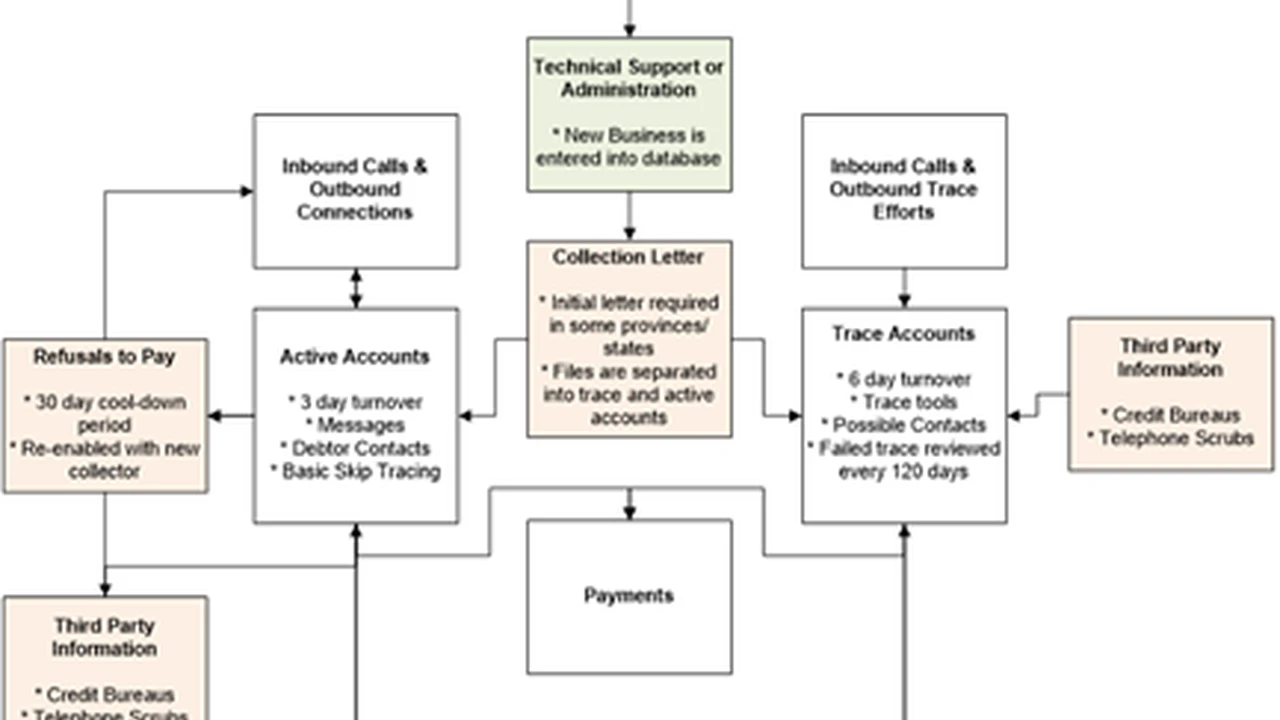
- Dealing with Collection Agencies: Understanding your rights under the Fair Debt Collection Practices Act (FDCPA) and how to respond to aggressive collection tactics.
- Pay for Delete Offers: When and how to attempt to negotiate with collection agencies to remove negative marks from your credit report in exchange for payment.
While financial advisors typically don't directly negotiate on your behalf (that's usually the role of a debt settlement company or credit counseling agency), they can provide invaluable coaching and support, empowering you to handle these conversations more effectively.
Credit Score Improvement and Rebuilding Your Financial Future
Debt relief isn't just about paying off what you owe; it's also about rebuilding your credit and establishing healthier financial habits for the future. Your financial advisor will guide you through this crucial phase.
Strategies for Enhancing Your Creditworthiness
This includes:
- Credit Report Review: Helping you obtain and review your credit reports from Equifax, Experian, and TransUnion to identify and dispute any errors. Websites like AnnualCreditReport.com (free, government-authorized) allow you to get one free report from each bureau annually.
- Building Positive Credit History: Recommending strategies like secured credit cards (e.g., Discover it Secured Card, often requires a security deposit of $200-$2,500, no annual fee, offers cash back rewards) or credit builder loans (e.g., Self Lender, offers loans from $500-$1,500 with monthly payments, builds credit history) to establish a positive payment record.
- Managing Credit Utilization: Advising on keeping your credit utilization ratio (the amount of credit you're using compared to your total available credit) low, ideally below 30%.
- Long-Term Financial Planning: Integrating debt relief into a broader financial plan that includes savings, investments, and retirement planning.
They can also help you understand the impact of various actions on your credit score, ensuring you make informed decisions that support your long-term financial goals.
Choosing the Right Financial Advisor for Debt Relief Finding Your Match
Not all financial advisors specialize in debt relief, so it's important to choose someone with the right expertise and approach. Here are some types of advisors and what to look for:
Types of Financial Professionals and Their Focus
- Fee-Only Financial Planners: These advisors charge a flat fee, hourly rate, or retainer, and do not earn commissions from selling products. This structure often aligns well with debt relief, as their advice is unbiased. Look for certifications like Certified Financial Planner (CFP®).
- Credit Counselors: Often associated with non-profit organizations, credit counselors specialize in debt management plans and can negotiate with creditors on your behalf. They are a great resource specifically for debt. Examples include the National Foundation for Credit Counseling (NFCC), which offers free or low-cost counseling.
- Debt Settlement Companies: These companies negotiate with creditors to reduce the amount you owe. However, they often come with high fees and can negatively impact your credit score. Your financial advisor can help you evaluate if this is a suitable option.
- Financial Coaches: While not always licensed financial advisors, coaches can provide accountability and guidance on budgeting and spending habits.
Key Considerations When Selecting an Advisor
- Specialization: Ensure they have experience and expertise in debt management and financial planning for individuals in debt.
- Fiduciary Duty: Look for an advisor who operates under a fiduciary standard, meaning they are legally obligated to act in your best interest.
- Transparency: They should be transparent about their fees, services, and any potential conflicts of interest.
- Communication Style: Choose someone you feel comfortable talking to and who explains complex financial concepts clearly.
- References and Reviews: Check their credentials, read client testimonials, and look for any disciplinary actions.
Platforms like NAPFA (National Association of Personal Financial Advisors) or the CFP Board website can help you find fee-only, fiduciary advisors in your area. For credit counseling, the NFCC website is an excellent starting point.
Beyond Debt Relief Building a Secure Financial Future
The journey with a financial advisor doesn't end once your debt is under control. They can continue to be a valuable resource as you transition from debt repayment to wealth building.
Long-Term Financial Planning and Wealth Accumulation
Your advisor can help you with:
- Investment Strategies: Developing a diversified investment portfolio tailored to your risk tolerance and financial goals.
- Retirement Planning: Setting up and managing retirement accounts like 401(k)s and IRAs.
- Estate Planning: Ensuring your assets are protected and distributed according to your wishes.
- Insurance Needs: Assessing your insurance coverage (life, health, disability) to protect your financial well-being.
- Goal Setting: Helping you define and achieve future financial milestones, such as buying a home, funding education, or starting a business.
Think of your financial advisor as a long-term partner in your financial journey. They provide not just solutions for immediate problems but also the tools and knowledge to build lasting financial security and peace of mind. Taking that first step to seek professional guidance can be the most impactful decision you make on your path to financial freedom.
:max_bytes(150000):strip_icc()/277019-baked-pork-chops-with-cream-of-mushroom-soup-DDMFS-beauty-4x3-BG-7505-5762b731cf30447d9cbbbbbf387beafa.jpg)